Many dog owners may believe their pets can go for days without water simply because they seem energetic and healthy. However, understanding the true limits of how long a dog can survive without water is crucial. Just as humans need water to function optimally, dogs do too, and possibly even more so. The misconception that dogs can thrive without regular hydration can lead to dire consequences, especially for those with specific health conditions such as hip dysplasia.
So, how long can a dog live without water? The answer isn’t straightforward, as various factors can influence a dog’s ability to withstand the absence of water. Learning about these factors will help ensure your dog remains healthy and hydrated.
What Factors Affect How Long a Dog Can Go Without Water?
Age and Size of the Dog
The age and size of a dog play significant roles in its hydration needs. Puppies and smaller breeds typically require more frequent water intake compared to larger, mature dogs. Puppies are in a crucial development phase, which increases their water needs. Similarly, small breeds have a faster metabolism, necessitating consistent water consumption to maintain health.
Activity Level and Environment
Dogs that are highly active, such as those engaging in regular exercise or play, will need more water to stay hydrated. Additionally, environmental factors like heat and humidity can further increase a dog’s water requirements. In hot weather, dogs lose more moisture through panting and will need access to water more often to avoid dehydration.
General Health and Conditions
A dog’s overall health significantly influences its ability to survive without water. Conditions like kidney disease or diabetes can alter hydration needs. For dogs dealing with chronic health issues, such as hip dysplasia, maintaining proper hydration becomes even more critical, as water supports joint health and overall physiological functioning.
What Are the Signs of Dehydration in Dogs?
Physical Symptoms
Dehydration in dogs can manifest through various physical signs. You might notice loss of skin elasticity; when you gently pull the skin at the back of your dog’s neck, it should quickly snap back into place. If it doesn’t, this is a classic sign of dehydration. Other symptoms include dry gums, sunken eyes, and a dry nose.
Behavioral Changes
In addition to physical symptoms, behavioral changes can also indicate dehydration. A dog that is lethargic, less playful, or shows a decreased appetite may be suffering from insufficient hydration. Changes in behavior are often the first noticeable signs to pet owners that something may be wrong.
How Can You Ensure Your Dog Stays Hydrated?
Tips for Encouraging Water Consumption
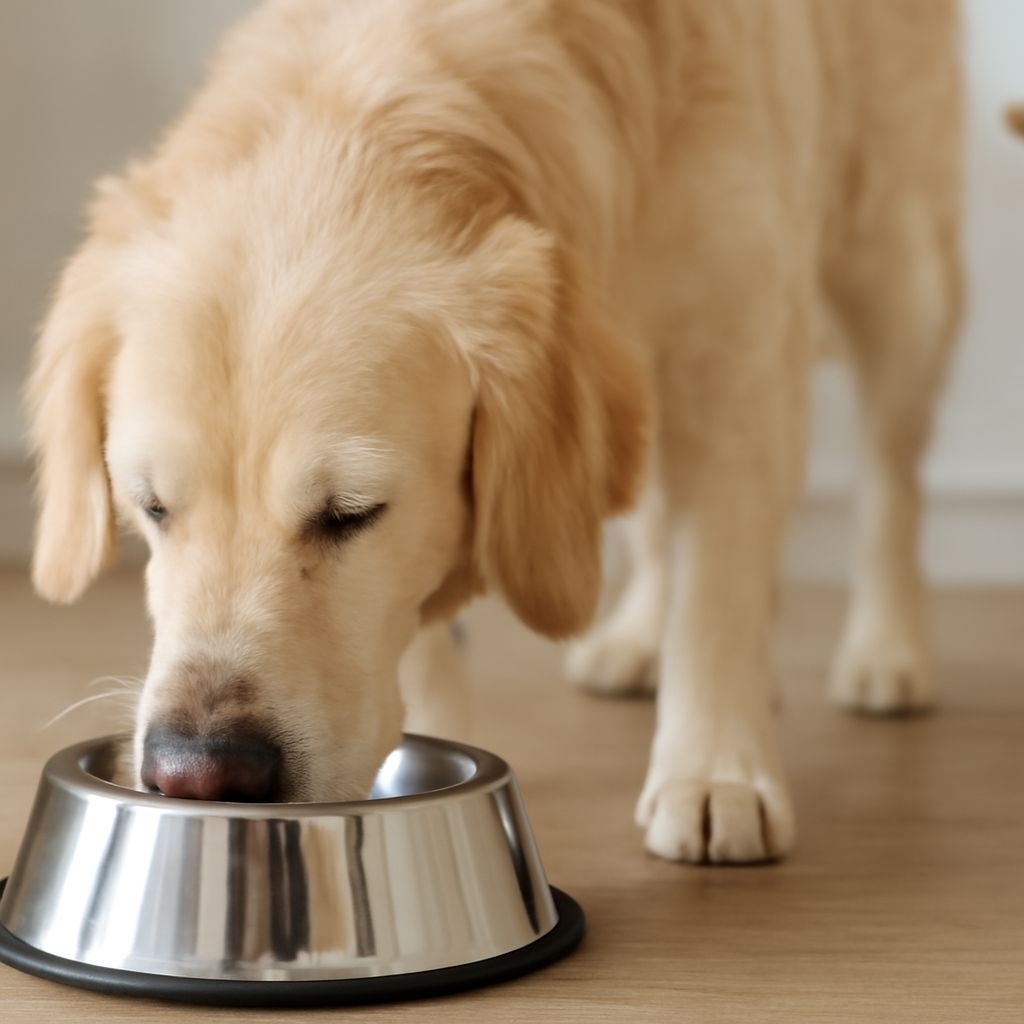
To ensure your dog remains hydrated, always provide access to fresh and clean water. Consider placing multiple water dishes throughout the home to encourage regular drinking. If your dog is reluctant to drink, try adding a small amount of low-sodium broth to their water for added flavor.
When to Consult a Veterinarian
If your dog shows signs of dehydration or drinks excessively without clear cause, consult a veterinarian. Persistent dehydration can indicate underlying health issues that require professional attention. Early intervention can prevent complications and ensure your dog’s health and well-being.
How Long Can a Dog Live with Hip Dysplasia?
Understanding Hip Dysplasia
Hip dysplasia is a common condition in dogs that affects the hip joint, often leading to pain and mobility issues. While it primarily impacts a dog’s ability to move comfortably, it also influences hydration needs. Dogs with hip dysplasia may require additional water to support joint lubrication and minimize discomfort.
Impact on Hydration Needs
For dogs living with hip dysplasia, staying hydrated is particularly important. Proper hydration helps maintain joint health and can alleviate some of the symptoms associated with this condition. Ensure that these dogs have convenient access to water, especially after physical activity.
Key takeaways: Dogs need consistent access to water to stay healthy, with various factors influencing their hydration requirements. Pay attention to signs of dehydration and consult a veterinarian when necessary. For dogs with hip dysplasia, maintaining hydration is crucial for joint health and overall comfort.