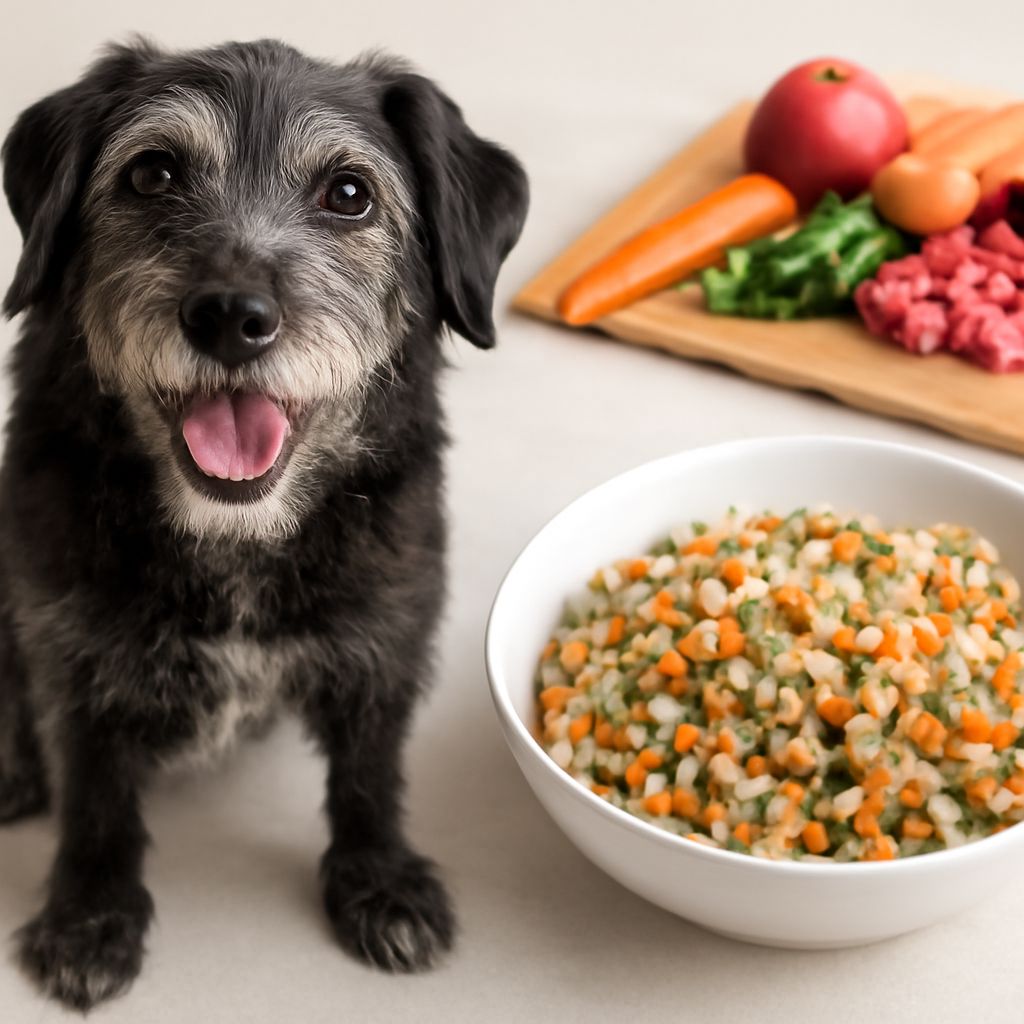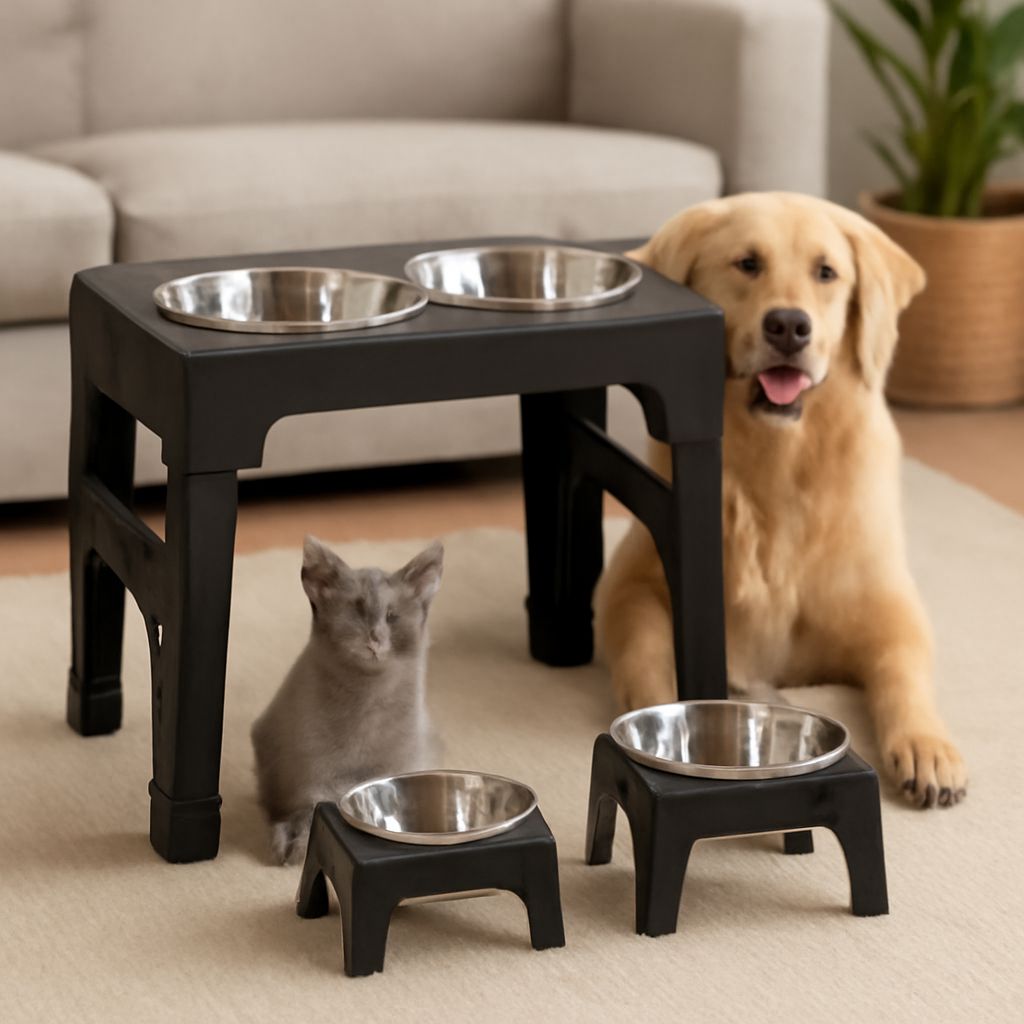
Pet owners often overlook the significance of elevated pet bowls, assuming they are just another trendy accessory. However, raised dog food bowls offer more than just design flair; they can significantly enhance your dog’s dining experience. These bowls can provide comfort and substantial health benefits, making them an essential consideration for conscientious dog owners.
Many people also believe that raised pet feeders are only suitable for older dogs or those with health issues. In truth, elevated bowls can benefit a wide range of dogs regardless of age or breed. By understanding how elevated bowls can improve your pet’s feeding routine, you can make informed choices that contribute to your dog’s overall well-being.
What are the Benefits of Elevated Pet Bowls?
Improved Digestion
One primary advantage of using elevated pet bowls is the potential for improved digestion. When a dog eats from a bowl at ground level, it often swallows air along with its food, potentially leading to digestive discomfort. Raised bowls can help reduce this intake of air, facilitating smoother digestion.
Reduced Strain on Joints
Raised pet feeders can alleviate the strain on a dog’s neck and joints. This is particularly beneficial for older dogs or those suffering from arthritis. By bringing the food closer to their mouth, the dog experiences less stress on its body, enhancing comfort during meals.
Cleaner Feeding Area
Using an elevated dog dish can contribute to a cleaner feeding area. By positioning the dish off the ground, you minimize spills and messes, making it easier to maintain a tidy space. Additionally, raised bowls often come with non-slip bases, preventing them from being easily knocked over.
How to Choose the Right Raised Dog Food Bowl?
Material Considerations
When selecting a raised dog food bowl, material plays a crucial role. Stainless steel options are durable and easy to clean, while ceramic bowls can provide aesthetic appeal. Choosing the right material depends on your needs for hygiene and durability.
Size and Height Adjustments
Ensuring that the bowl is the correct size and height for your pet is vital. Adjustable options allow for customization, ensuring the bowl grows with your dog or suits dogs of different sizes. Correct sizing will ensure your pet eats comfortably.
Design and Stability
Design is not only about aesthetic appeal but also functionality. A stable, non-slip design is essential to prevent spills. Consider a dog dish with a sturdy base that resists tipping, particularly if your dog tends to be enthusiastic during meals.
Are Raised Pet Bowls Suitable for All Dogs?
Considerations for Different Breeds
Different breeds may have different needs when it comes to elevated pet bowls. For instance, larger breeds often benefit more from raised dishes due to their size. Conversely, smaller breeds may not require as high an elevation.
Age and Health Factors
Age and health are critical factors in determining the suitability of elevated bowls. Puppies and younger dogs typically adjust easily to raised bowls, while older dogs with joint issues may find significant relief from their use. Always consult a veterinarian for advice tailored to your dog’s specific health needs.
How to Transition Your Dog to an Elevated Dog Dish?
Transitioning your dog to an elevated dog dish should be done gradually. Begin by placing the new bowl alongside the old one. Gradually increase the use of the elevated bowl until your dog becomes accustomed to it. Observing your dog’s eating habits will allow you to make any necessary adjustments for a seamless transition.
Key takeaways: Elevated pet bowls offer numerous benefits, including improved digestion and reduced joint strain. Choosing the right bowl requires consideration of material, size, and design. While not suitable for all dogs, many can benefit from the proper use of raised feeders. Always consult a professional for specific health concerns.