Dog tooth decay is often misunderstood and frequently underestimated by pet owners. Contrary to popular belief, dogs can suffer from cavities just like humans, leading to serious dental issues if not addressed promptly. The idea that dogs naturally maintain oral health through chewing alone is a myth. In reality, dog cavities can develop when tooth decay is ignored and untreated, leading to complications such as a rotten tooth.
Understanding the nature of dog cavities is essential for any responsible pet owner. These dental problems don’t just affect your dog’s comfort but can impact their overall health. Learning how to prevent and recognize the signs of dog tooth decay is a critical part of maintaining your dog’s well-being.
What Causes Dog Cavities?
Understanding Dog Tooth Decay
Dog cavities primarily arise from dog tooth decay, a process similar to what occurs in humans. When bacteria build up on the teeth, they form plaque. If this plaque isn’t removed, it can harden into tartar, leading to cavities. Factors such as poor dental hygiene and high-sugar diets can accelerate this process.
Signs and Symptoms of Dog Cavities
Recognizing the symptoms of dog cavities early can prevent more severe dental issues. Look for signs such as bad breath, discomfort while eating, and visible holes in the teeth. These symptoms indicate that decay is progressing and needs immediate attention.
How to Prevent Dog Tooth Decay
Regular Dental Check-Ups
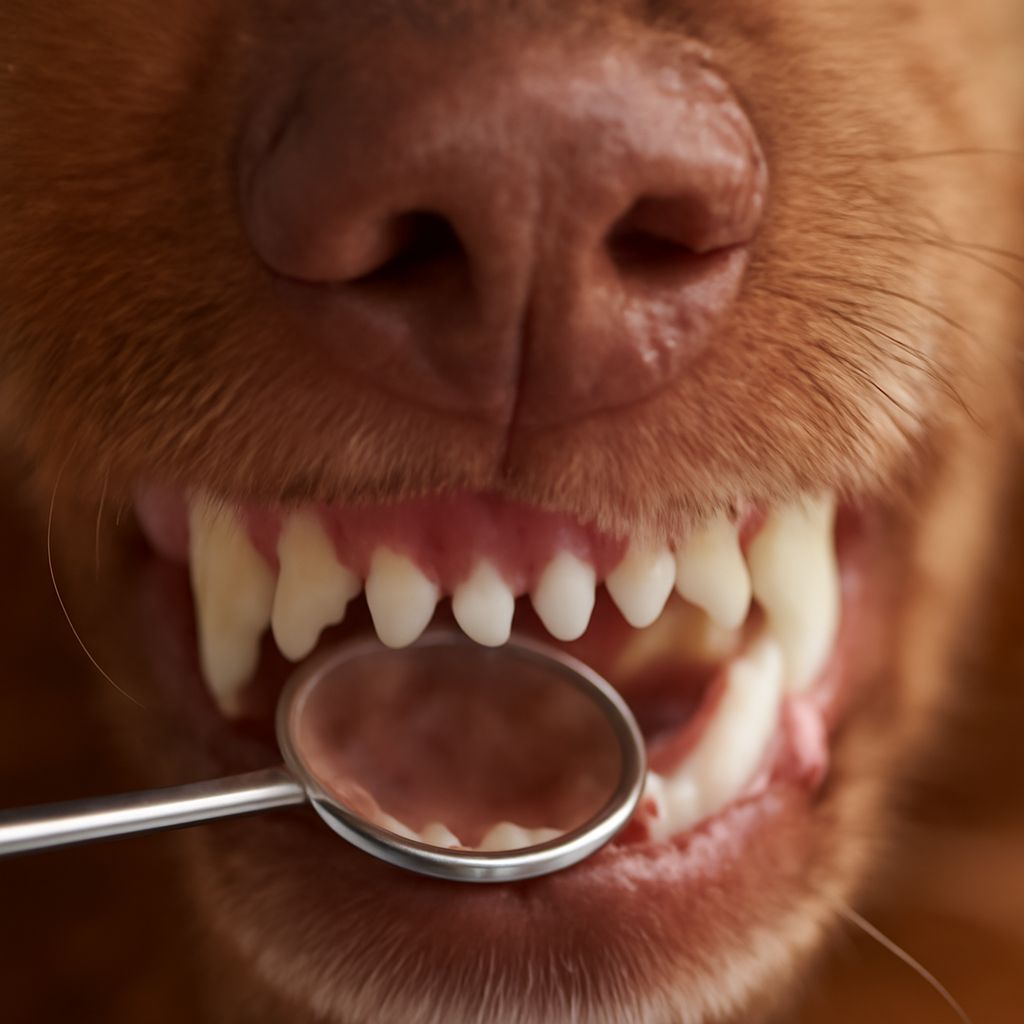
One of the best ways to prevent dog tooth decay is through regular dental check-ups. Veterinarians can identify early signs of cavities and suggest preventive measures before they become severe. Frequent professional assessments are crucial for maintaining oral health.
Proper Dog Dental Hygiene
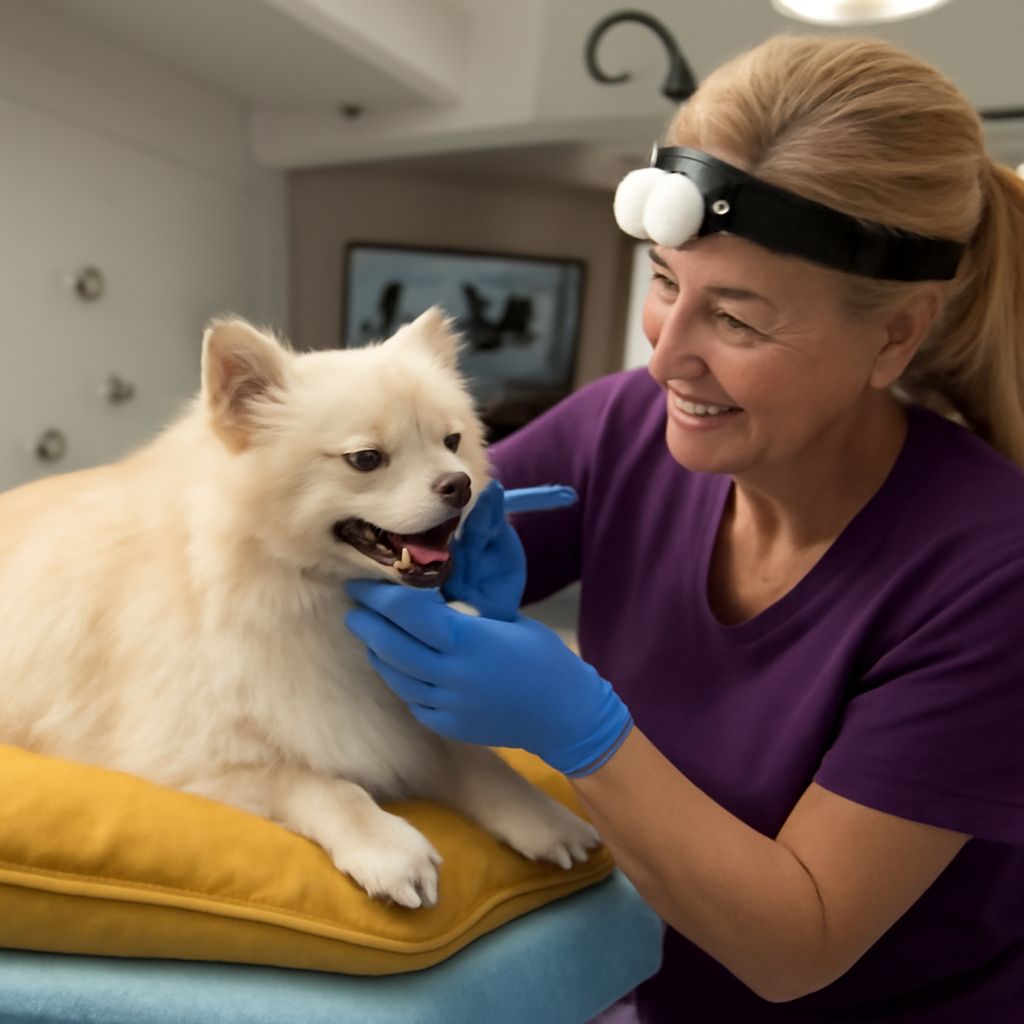
Maintaining proper dog dental hygiene is vital in preventing tooth decay. This includes regular brushing with toothbrushes and toothpaste specifically designed for dogs. Implementing these practices from a young age can drastically reduce the risk of cavities.
Dietary Considerations
Diet plays a significant role in oral health. Feeding your dog a balanced diet can help prevent tooth decay. Avoid foods high in sugar and opt for dental-friendly treats that help clean teeth as your dog chews.
What Are the Treatment Options for a Dog Rotten Tooth?
Professional Dental Cleaning
Professional dental cleaning is often the first step in treating a dog rotten tooth. This procedure removes plaque and tartar build-up, alleviating discomfort and preventing further decay. It’s essential to have this done by a qualified veterinarian.
Extraction and Aftercare
In cases where decay is advanced, extraction might be necessary. This procedure, performed by a licensed professional, removes the affected tooth. Post-extraction, proper aftercare, including pain management and hygiene routines, is crucial for recovery.
How Can I Maintain My Dog’s Dental Health?
Daily Tooth Brushing
Daily tooth brushing is a simple yet effective way to maintain your dog’s dental health. Use dog-specific toothpaste and brush gently to remove food particles and plaque. Consistent brushing prevents cavities and promotes overall oral hygiene.
Choosing the Right Dental Products
Choosing the right dental products, such as dental chews and specialized toothbrushes, can enhance your dog’s oral care routine. These products are designed to clean teeth while being safe and enjoyable for your pet.
Bottom line: Preventing and managing dog cavities requires diligent care and attention. Regular check-ups, proper hygiene, and a balanced diet are key to safeguarding your dog’s dental health. Consult a licensed veterinarian for complex dental issues to ensure your pet receives the best care possible.