Many pet owners may overlook the importance of monitoring their dog’s glucose levels until a health issue arises. However, using a dog glucose meter can be a proactive way to ensure your pet’s well-being. Not only can it help detect potential health issues early, but it also provides a clear understanding of your dog’s health status. Additionally, integrating practices like dog hydrotherapy can complement regular monitoring, offering therapeutic benefits for dogs with specific health conditions.
Furthermore, incorporating toy walking dogs as part of your dog’s exercise routine can enhance training and overall fitness. These training aids are excellent for building a strong bond with your pet and can be effectively used alongside other methods such as dog water therapy. Together, these strategies can contribute significantly to a healthy and happy canine companion.
Why Use a Dog Glucose Meter?
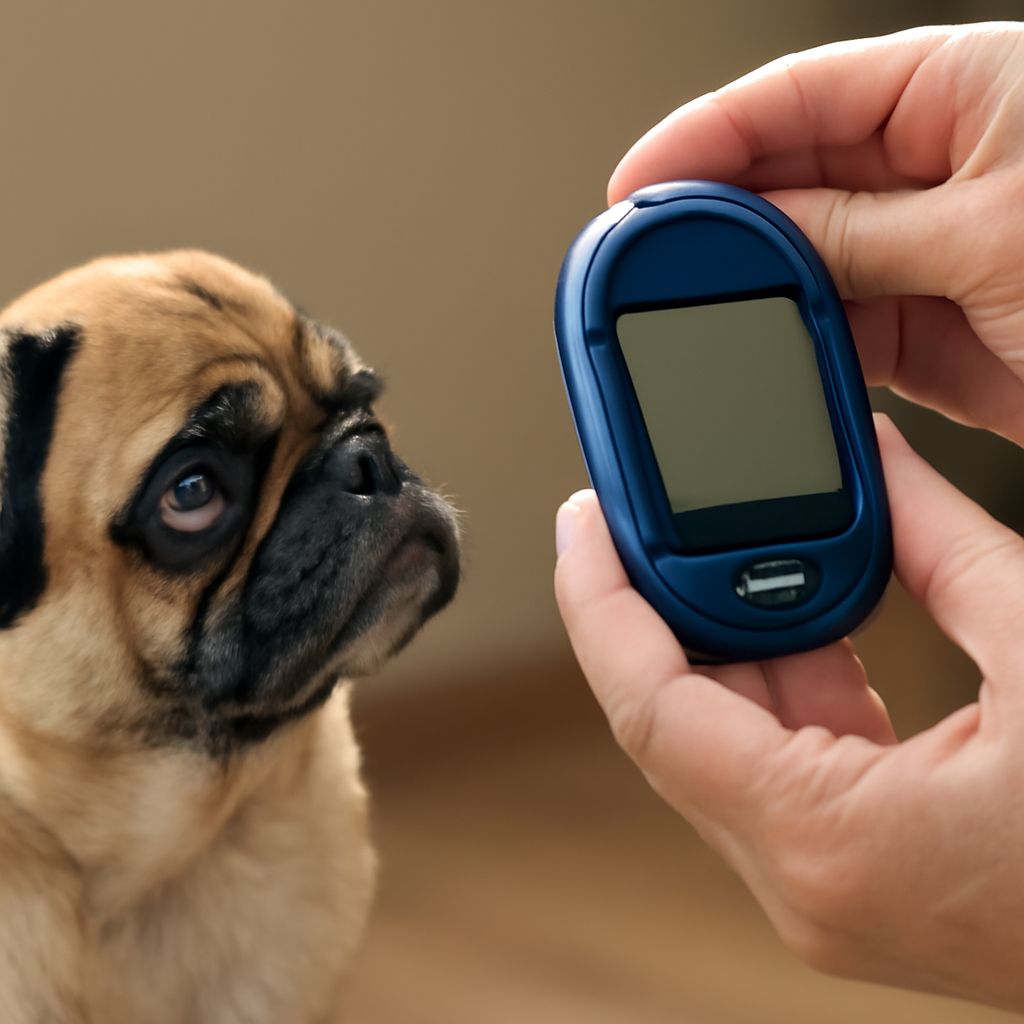
A glucose meter designed for dogs is crucial for monitoring your pet’s blood sugar levels, particularly if they are diabetic or at risk for diabetes. Checking glucose regularly helps in adjusting diets and medication, ensuring that your furry friend remains in optimal health. By utilizing such a device, you can track changes over time and make informed decisions with your veterinarian.
Beyond diabetes, a pet glucose meter can help detect other conditions, as fluctuations in glucose levels can indicate various health issues. Regular monitoring is a preventive measure that provides peace of mind, knowing that you are actively safeguarding your pet’s health.
Benefits of Dog Hydrotherapy and Water Therapy
Dog hydrotherapy is a beneficial treatment for many health issues, including arthritis and obesity. The buoyancy of water reduces the impact on joints, making it an excellent exercise for dogs, especially those recovering from surgery or injury. Water therapy sessions are designed to improve mobility and strengthen muscles without adding stress to the body.
Incorporating water therapy into your dog’s routine can complement the information gathered from glucose monitoring, offering a comprehensive approach to health care. It is advisable to consult with a therapist specializing in canine hydrotherapy to tailor a program suited to your dog’s specific needs.
Choosing the Right Pet Glucose Meter
When selecting a glucose monitoring device for dogs, accuracy and ease of use should be top priorities. Look for meters that require small blood samples, as this can make the testing process less stressful for your pet. Devices with easy-to-read displays and reliable data storage options are particularly beneficial.
It’s essential to choose a meter specifically designed for pets to ensure accuracy, as human meters may not provide reliable readings for dogs. Consulting with your veterinarian can help you make an informed choice tailored to your dog’s specific health requirements.
Incorporating Toy Walking Dogs in Training
Using toy walking dogs can be an effective way to engage your pet in training exercises. These interactive toys encourage your dog to move and play, which can be particularly useful for training purposes. They serve as a delightful distraction and can help reinforce positive behaviors during walks.
Regular use of walking toys can enhance your dog’s physical activity, complementing the benefits of a balanced diet and glucose monitoring. They are a fun addition to your training toolkit, promoting an active and healthy lifestyle for your canine companion.
Tips for Successful Leash & Walks
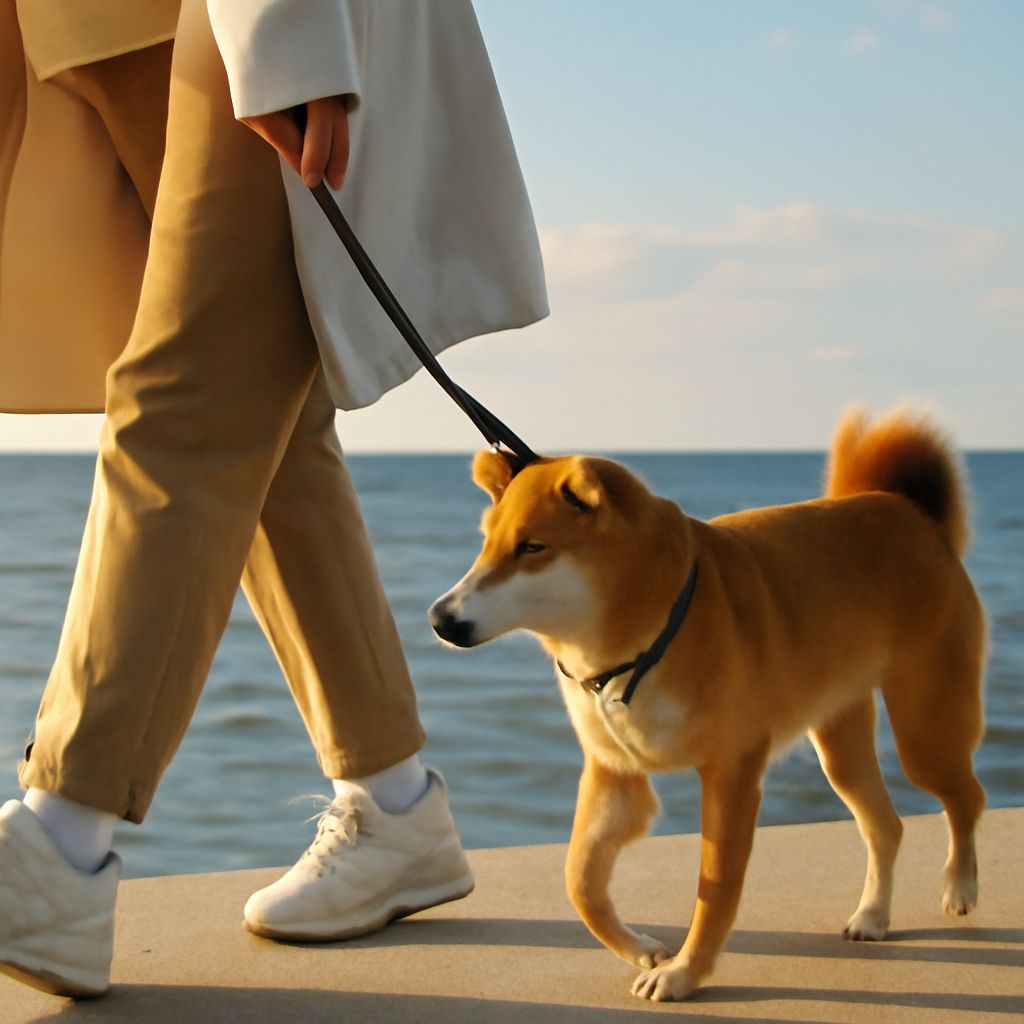
Successful leash walks are crucial for your dog’s health and behavior. Begin with short, controlled outings, gradually increasing distance and duration as your pet becomes more comfortable. Consistent training is key; reinforce commands and encourage good behavior with treats and praise.
Ensure that your dog is wearing a comfortable harness or collar, and choose a leash that offers you control without restricting your pet’s movement. By combining regular walks with glucose monitoring and other health practices like hydrotherapy, you create a balanced routine that promotes overall wellness for your dog.