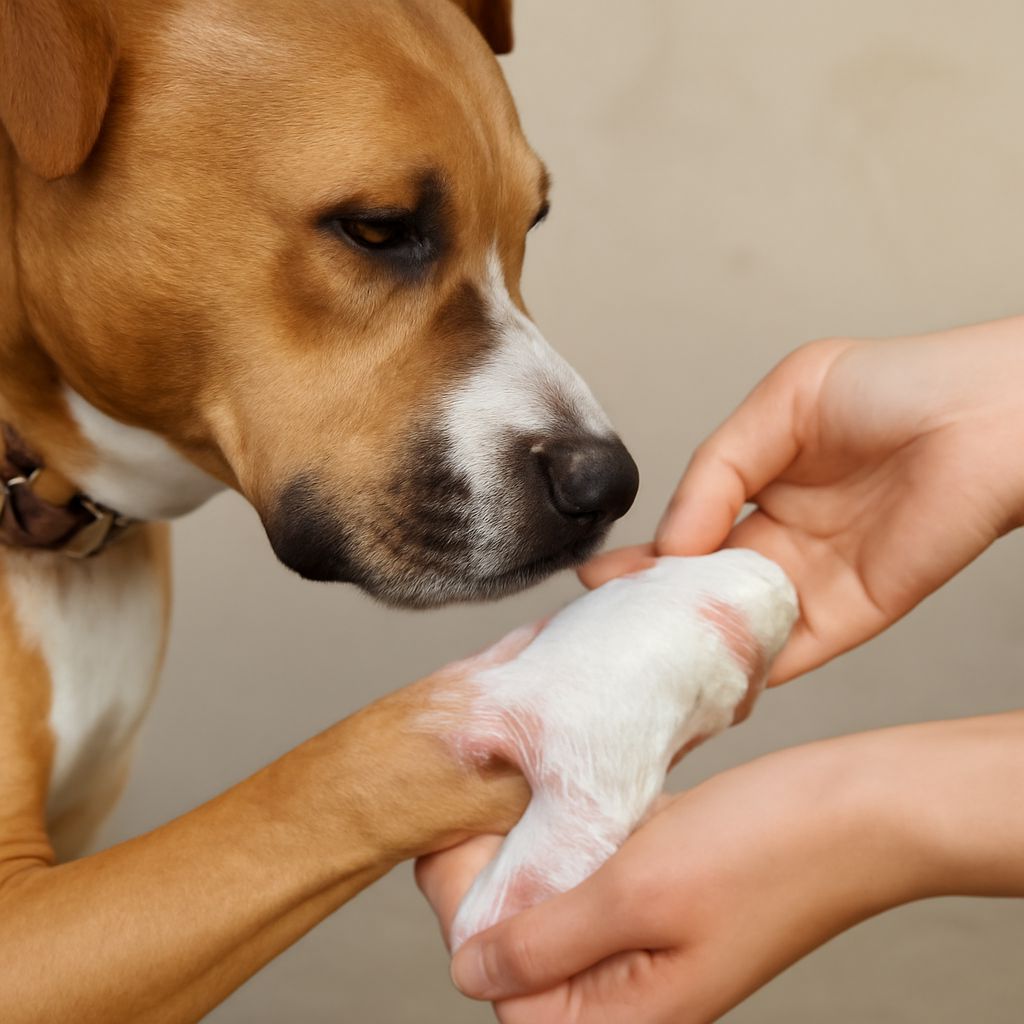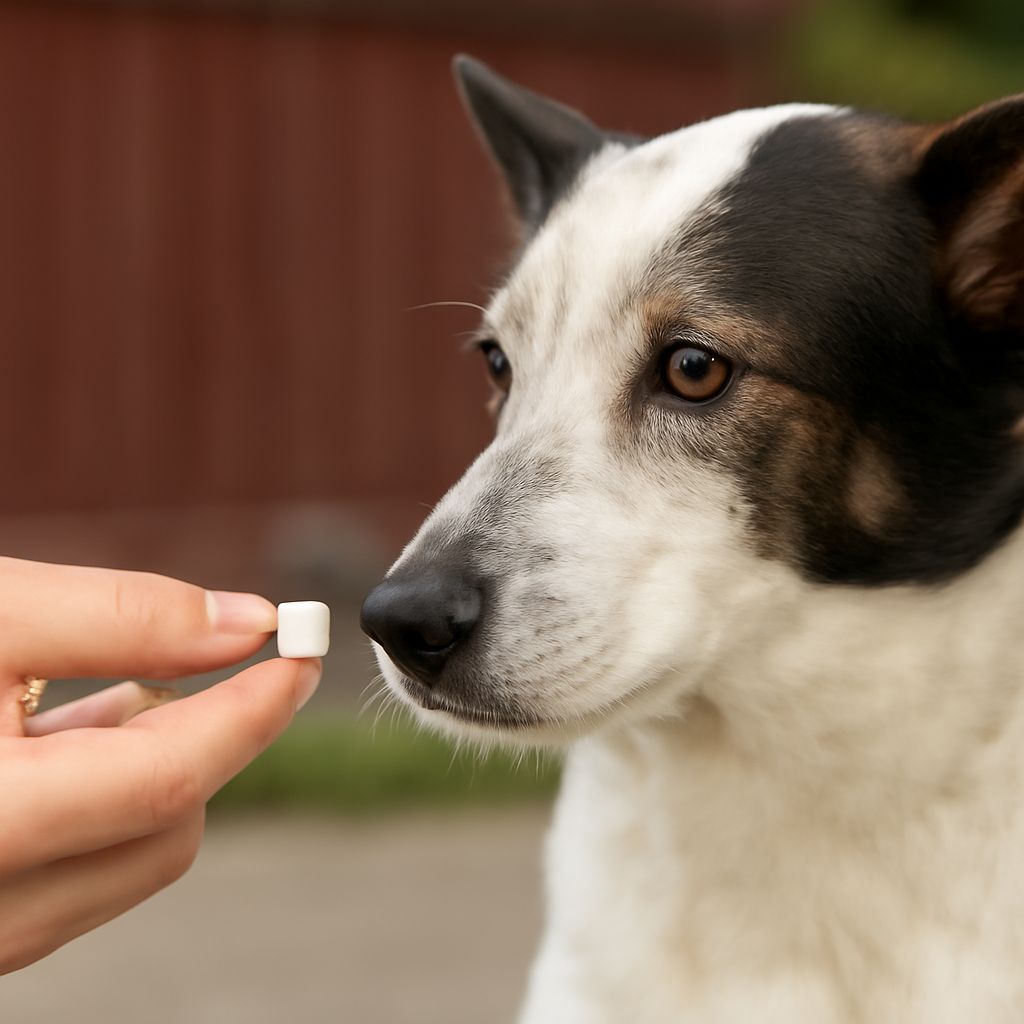
When your furry friend is in pain, the first instinct might be to reach for a bottle of ibuprofen. However, before administering any human medication, it’s crucial to ask: can I give my dog ibuprofen? While it might seem like a quick fix, ibuprofen can pose severe health risks to dogs, including toxicity and potentially life-threatening side effects. Owners often wonder about alternatives, like acetaminophen dog options, but it’s crucial to consider each choice carefully.
Despite widespread belief, not all pain relief methods suitable for humans translate well to our canine companions. Understanding the dynamics of ibuprofen dog pain relief is essential to ensure the health and safety of your pet. This article aims to debunk myths surrounding dog pain management and provide insights into safe and effective alternatives.
Why Ibuprofen Is Not Safe for Dogs
Potential Risks of Ibuprofen Dog Use
Administering ibuprofen to dogs can lead to numerous health complications. Dogs metabolize medications differently than humans, making them particularly susceptible to toxic effects. Even a small dose of ibuprofen can cause gastrointestinal ulcers, kidney failure, or even seizures due to its potent anti-inflammatory properties. The risks associated with ibuprofen for dogs far outweigh any potential benefits.
Signs of Ibuprofen Toxicity in Dogs
Ibuprofen toxicity can manifest in several alarming symptoms in dogs. Early signs include vomiting, diarrhea, and loss of appetite. As toxicity progresses, more severe symptoms such as abdominal pain, lethargy, and renal dysfunction can occur. If any of these symptoms arise after an accidental ibuprofen ingestion, it is imperative to seek immediate veterinary intervention to prevent irreversible damage.
Safe Alternatives for Pain Relief
Can I Give Dog Ibuprofen Alternatives?
Instead of resorting to ibuprofen, there are safer alternatives for managing your dog’s pain. Non-steroidal anti-inflammatory drugs (NSAIDs) specifically formulated for canine use, such as carprofen and meloxicam, offer effective relief with a reduced risk of adverse reactions. However, these should only be administered under veterinary guidance to tailor the dosage according to your dog’s specific needs.
Acetaminophen Dog Use: Is It Safe?
While acetaminophen is sometimes considered a potential alternative, it’s not entirely without risks. Acetaminophen can lead to liver damage and blood disorders in dogs, particularly at higher doses. Its use should be closely monitored by a veterinary professional, who can assess whether it is appropriate for your pet’s condition and determine the correct dosage.
Consulting a Veterinarian for Pain Management
When dealing with dog pain, the safest and most effective approach is to consult a veterinarian. A licensed professional can diagnose the underlying cause of the pain and recommend the most appropriate treatment plan. This might include prescription medications, physical therapy, or alternative treatments such as acupuncture or massage. Always prioritize professional guidance over self-medicating your pet.
How to Help Your Dog Recover from Pain
Providing Comfort and Care
In addition to medication, creating a comfortable environment can significantly aid in your dog’s recovery. Ensure your pet has a quiet, warm place to rest, and provide soft bedding to ease any discomfort. Gentle exercises, as advised by a vet, can also promote healing and maintain muscle strength.
Monitoring Your Dog’s Recovery
Close observation of your dog’s behavior and health status is crucial during the recovery phase. Monitor for any signs of improvement or deterioration, such as changes in appetite, behavior, or mobility. Regular follow-up appointments with the veterinarian will help assess the recovery progress and make any necessary adjustments to the treatment plan.