Many dog owners find themselves wondering, why does my dog rub against me when there are so many other ways they could express affection? Some might even question, why does my dog hate other dogs but is so affectionate towards humans? These behaviors often cause confusion, especially when juxtaposed with actions like why does my dog lick my other dog’s ears. To further complicate matters, understanding behaviors such as why is my dog whining and pacing after surgery can be equally perplexing.
These behaviors are generally rooted in instinctual actions, socialization challenges, and health-related needs. Uncovering these underlying reasons will not only enhance your understanding but also help in managing your canine’s behaviors more effectively.
Why Does My Dog Rub Against Me?
Understanding Affectionate Behavior
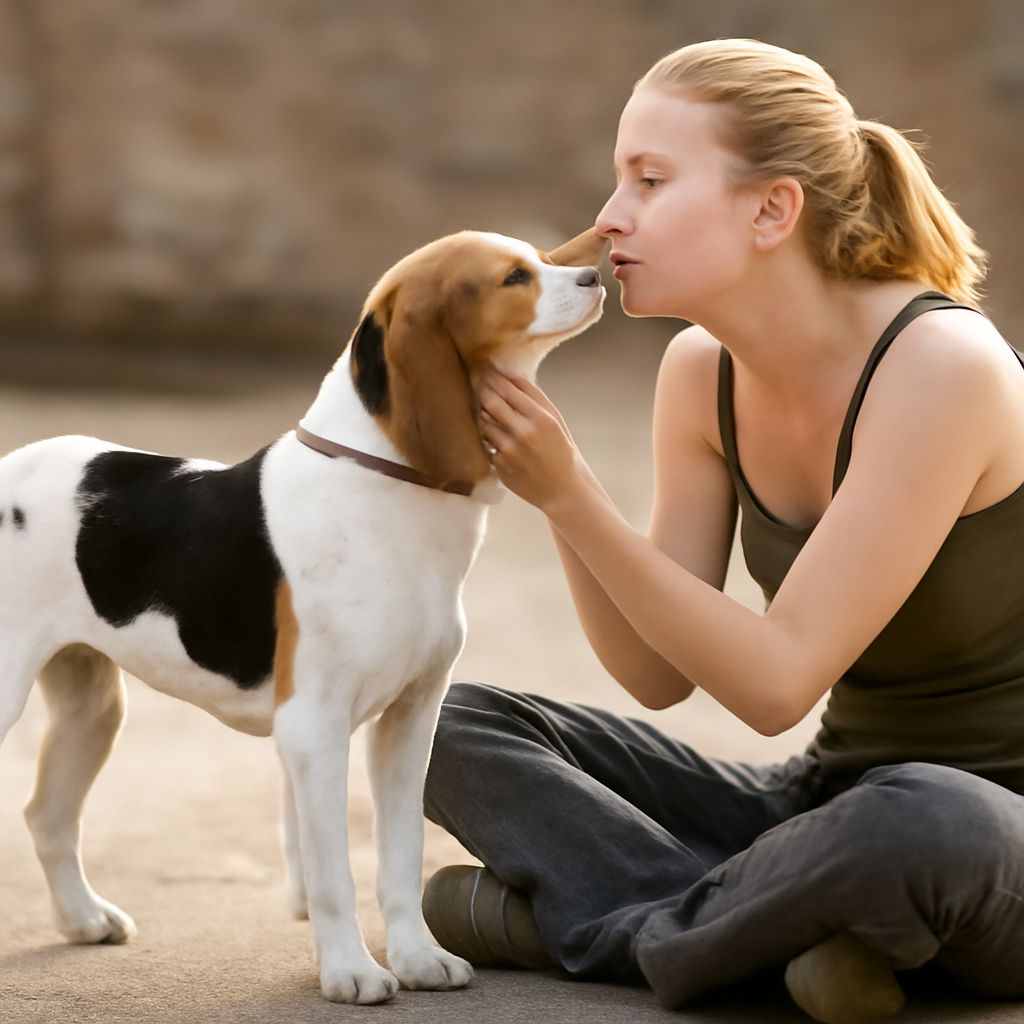
Dogs often rub against their owners as a display of affection. This behavior helps them bond and strengthen their relationship with humans through physical contact, which is a natural method for dogs to express their fondness.
Instinctual Actions and Scent Marking
Instinct plays a significant role in why dogs rub against people. This action is often a means of scent marking, where the dog transfers its scent onto you, indicating a claim of ownership and familiarity, much like marking their territory with a scent.
Why Does My Dog Hate Other Dogs?
Socialization Challenges
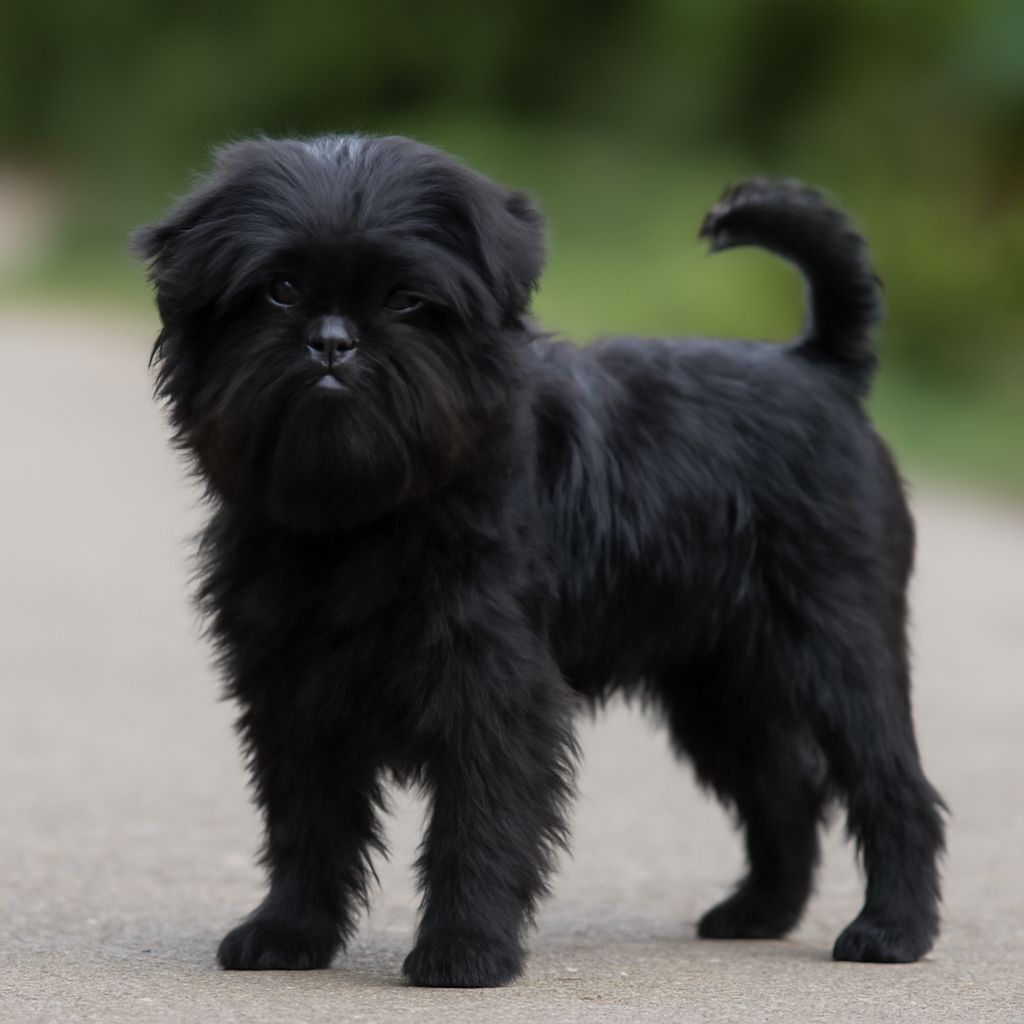
Some dogs display a dislike for other dogs due to inadequate socialization during their formative weeks. This lack of exposure can lead to fear or aggression towards fellow canines, manifesting as avoidance or hostility.
Fear and Anxiety in Dogs
Fear and anxiety often contribute to a dog’s aversion to others. Dogs may become fearful due to traumatic experiences or an apprehension of the unknown, leading to an intense dislike of unfamiliar dogs.
Why Does My Dog Lick My Other Dog’s Ears?
Grooming and Bonding
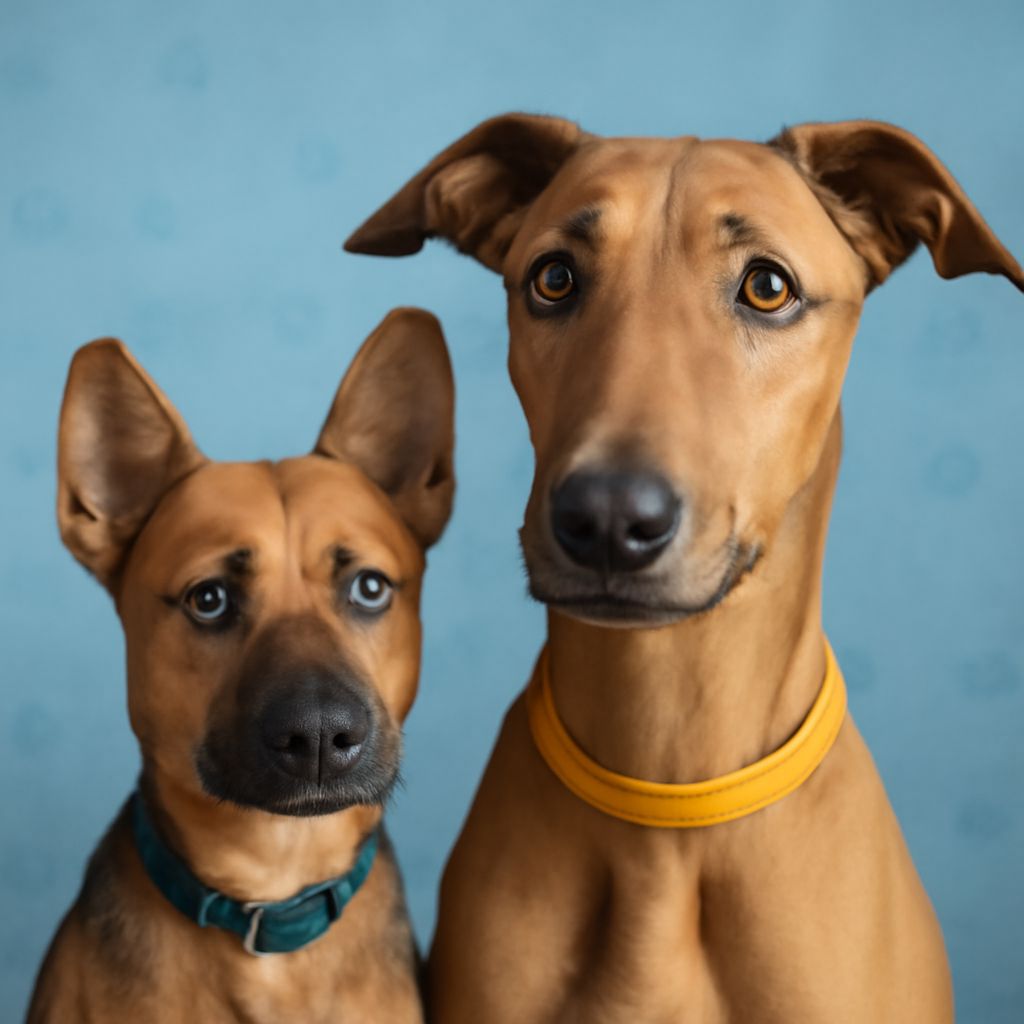
Ear licking is a behavior that often serves a dual purpose of grooming and bonding. It helps maintain cleanliness and strengthens the social bond between dogs, akin to how wolves in a pack nurture one another.
Health Implications of Ear Licking
While generally harmless, excessive ear licking can indicate potential health issues, such as ear infections. It’s important to monitor this behavior and consult a vet if it seems excessive or if signs of discomfort appear.
Dog After Anesthesia Whining: What to Expect
Normal Recovery Process
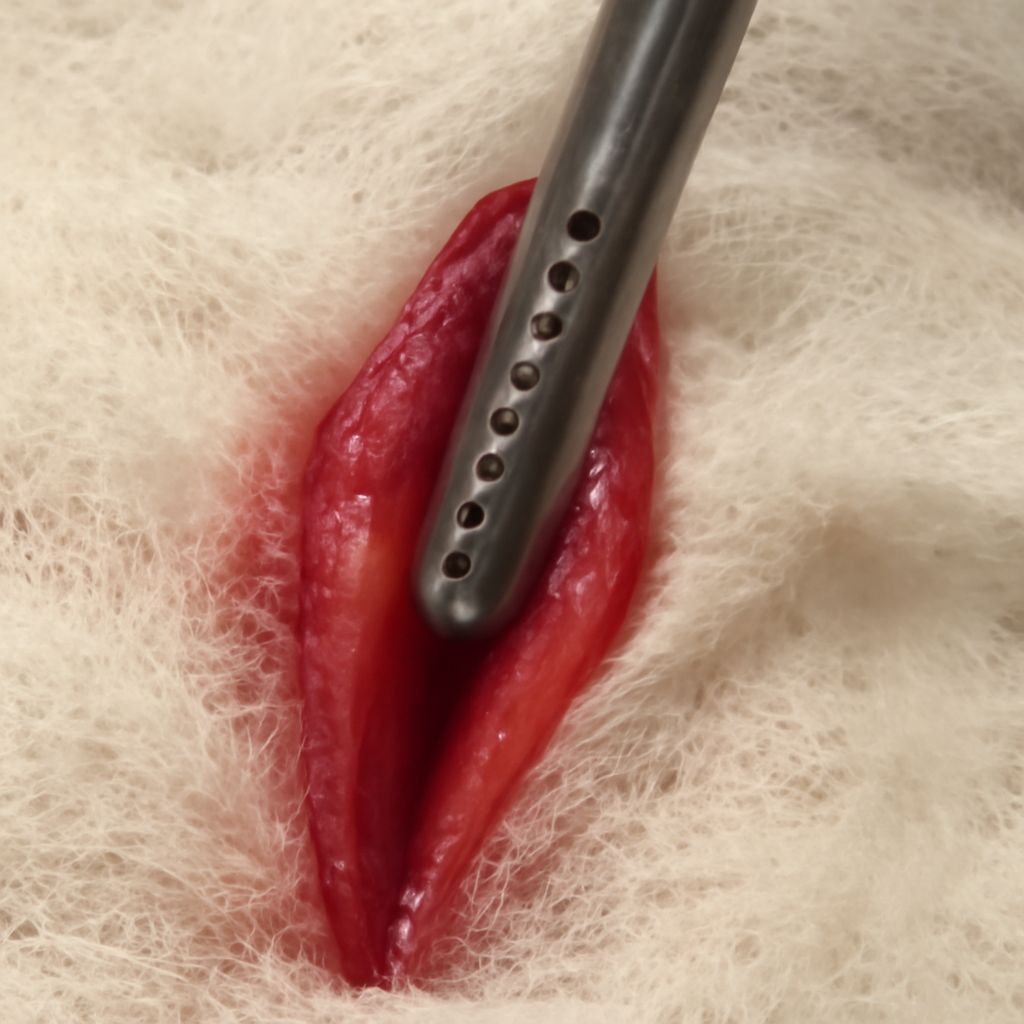
Whining after anesthesia is common as dogs recover from the effects of the drug. It often relates to disorientation or mild discomfort as the anesthetic wears off.
When to Call the Vet
Persistent whining after anesthesia could indicate complications. If it continues for an extended period or is accompanied by signs of pain or distress, consulting a veterinarian is advisable.
Why Is My Dog Whining and Pacing?
Identifying Causes of Discomfort
Whining and pacing can be signs of discomfort or anxiety in dogs. These behaviors may stem from a variety of causes, including stress, physical pain, or environmental changes.
Tips for Calming Your Dog
To alleviate whining and pacing, provide a calm environment and engage in comforting activities. Exercise and mental stimulation can also help reduce anxiety and promote relaxation.