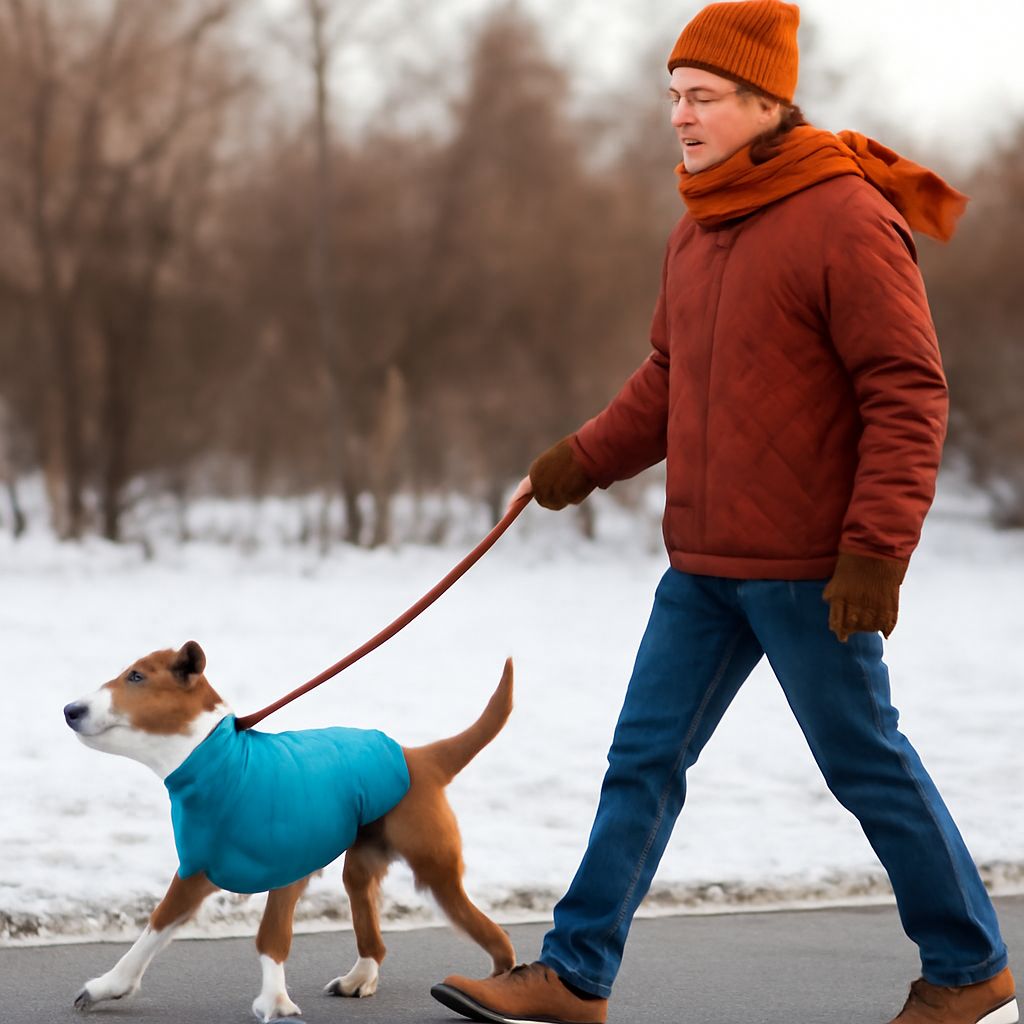
As the chill of winter sets in, many dog owners face the yearly dilemma: how cold is too cold for a dog? The comfort and safety of our furry friends is paramount, yet misconceptions often cloud judgment. Some believe that a dog’s natural fur coat provides ample protection against any temperature. However, understanding the true threshold of cold that is too severe can prevent health risks.
Before you venture out, ask yourself, how do I know if my dog is cold? Recognizing early signs of discomfort can make all the difference. From determining what is too cold for a dog at night to evaluating safe conditions for a brisk walk, this guide delves into essential considerations to ensure your pet’s well-being during the cold months.
What Temperature is Too Cold for a Dog?
Recognizing the Limits: How Cold is Too Cold for a Dog
The threshold for what temperature is too cold for a dog varies among breeds. Generally, temperatures below 45°F (7°C) can start to be uncomfortable for some dogs, especially those with short hair or low body fat. Breeds that are naturally adapted to cold weather, such as Huskies, may tolerate lower temperatures better.
Factors That Affect Cold Tolerance in Dogs
Several factors influence a dog’s tolerance to cold, including age, breed, health, and acclimatization to cold weather. Puppies and elderly dogs, for example, may find it hard to maintain body warmth when the mercury drops. Dogs acclimated to warmer climates will also have less cold resistance compared to those living in colder regions.
Signs Your Dog is Cold: How Do I Know?
How Do I Know if My Dog is Cold at Night?
At night, dogs can become susceptible to the cold, especially when temperatures dip suddenly. To discern how do I know if my dog is cold at night, monitor their behavior. Shivering, excessive whining, or seeking warmth by curling up or burrowing into blankets are signs of discomfort.
Understanding Behavioral Cues
Watch for subtler cues that your dog might be cold. Reluctance to move, a hunched posture, or lifting paws off the ground during a walk can indicate that they are feeling the chill. These signs are essential in understanding when it is too cold to walk a dog without risking their safety.
When is it Too Cold to Walk a Dog?
Guidelines for Walking Your Dog in Cold Weather
Consider the 5-Second Paw Test before venturing out. Place your hand on the ground for five seconds; if it feels too cold for you, it’s likely too cold for your dog’s paws. Protective gear such as booties and coats can provide additional warmth when temperatures fall below freezing.
Safety Tips for Cold Weather Walks
Always shorten walks during extreme cold and focus on midday outings when the sun is at its peak. Stay mindful of wind chill, as it can make the temperature feel significantly colder. Keep your dog leashed, as icy conditions can lead to injuries or getting lost. Providing a warm, draft-free shelter upon returning home ensures they recover from the cold exposure.
Key takeaways: Understand the factors that influence cold tolerance in dogs and recognize signs of discomfort. Adapt walking routines based on weather conditions to keep your pet safe. Consult a veterinarian if your dog shows severe signs of cold stress.