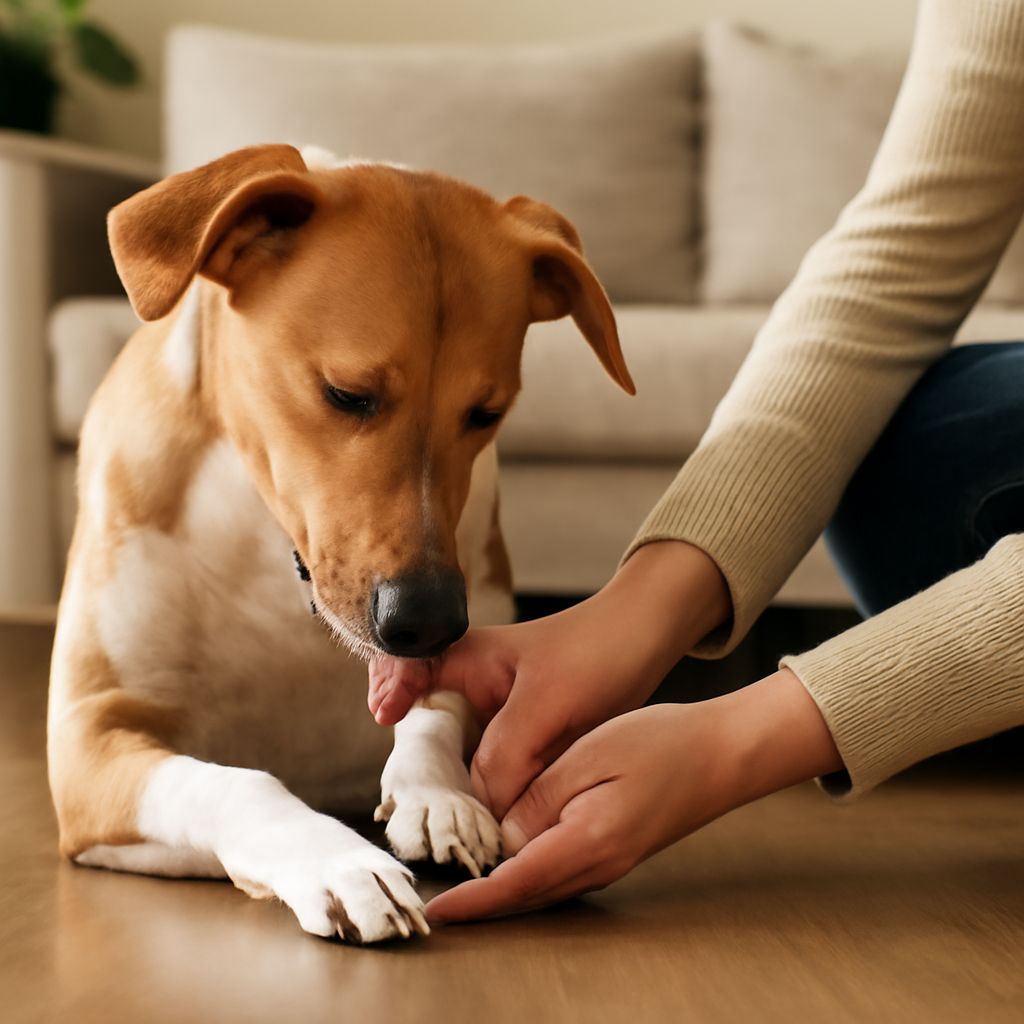
Many dog owners find themselves asking, “Why does my dog keep licking?” as they observe their furry friends persistently using their tongues on objects, people, or themselves. This behavior can be puzzling and sometimes concerning. The belief that a dog keeps licking merely for grooming or affection can overlook other significant reasons. Similarly, pondering what it means when a dog licks you excessively often leads to simplistic conclusions like seeking attention or showing love, whereas the underlying motivations can be more complex.
It is essential to explore a variety of causes behind why your dog constantly licks and to understand what does it mean when a dog licks you excessively. By debunking myths, we can better address the root causes of this common canine behavior, ultimately leading to more effective management strategies.
Understanding Why Your Dog Keeps Licking
Reasons dogs lick persistently
Dogs may engage in frequent licking for numerous reasons. One common cause is self-grooming, where they clean themselves by eliminating dirt or debris. Another reason is the presence of minor injuries or irritations; dogs will often lick wounds to soothe discomfort. Additionally, licking can stem from boredom or anxiety, serving as a self-soothing mechanism. When a dog keeps licking surfaces or objects, it might indicate an underlying behavioral issue that requires attention.
Common scenarios when dogs lick
Licking behaviors are often context-dependent. For instance, dogs might lick their owners after returning home, which is a way of seeking reassurance or expressing excitement. Another scenario is during playtime, where licking can be a gesture of submission or a form of social interaction. However, if your dog constantly licks its paws or other body parts, it could signify a health issue like allergies or infections. Observing when and where your dog tends to lick can provide insights into its motivations.
What Does It Mean When a Dog Licks You Excessively?
Interpretations of excessive licking
Excessive licking directed at owners can be interpreted in several ways. Affection is a primary motivator; dogs use licking as a form of bonding and communication. However, excessive licking can also be a sign of stress or anxiety, often occurring in dogs feeling insecure or uneasy. Understanding what it means when a dog licks you excessively involves considering the context of the behavior and any additional signals your dog may be displaying.
When to be concerned about licking behavior
While licking is often harmless, there are instances where it may warrant concern. If your dog keeps licking to the point of causing skin irritation or it appears obsessive, it could indicate a compulsive disorder. Frequent licking accompanied by other symptoms like changes in appetite, lethargy, or aggression might suggest a medical issue. Consulting a veterinarian is recommended when behavioral changes are drastic or persistent, ensuring any underlying health problems are addressed.
How to Manage and Reduce Dog Licking Behavior
Training techniques to curb licking
Management techniques play a crucial role in addressing persistent licking. Positive reinforcement training can redirect your dog’s focus away from licking by rewarding alternative behaviors. Teaching commands like “leave it” or “sit” can also be effective in interrupting unwanted licking. Providing sufficient mental and physical stimulation through toys and exercise can help alleviate boredom-related licking.
When to seek professional help
In cases where behavior persists despite training efforts, seeking professional help might be necessary. A certified professional dog trainer or behaviorist can offer tailored strategies and interventions. For complex cases involving anxiety or compulsive disorders, consulting a veterinarian or veterinary behaviorist is advised to explore potential medical treatments alongside behavioral modifications.