Many dog owners may find themselves puzzled, asking, “Why is my dog dry heaving?” This perplexing behavior can be concerning, especially when it’s persistent or occurs at night. There are several causes, symptoms, and solutions to explore in order to provide your furry friend with the best care possible. Understanding the reasons behind these dry heaves and whether adjustments, such as adding water to dry dog food, could make a difference is essential for pet well-being.
While dry heaving might seem like a minor issue, it could indicate underlying health problems or environmental triggers. Recognizing these factors early can prevent them from escalating into more severe conditions. This article delves into the potential causes, offers insights on why your dog might be dry heaving at night, and explores whether moistening their food could be beneficial.
What Causes Dog Dry Heaving?
Common Health Issues
There are several health-related reasons why your pet might be dry heaving. One potential cause is kennel cough, an infectious disease that can lead to bouts of coughing and dry heaves. Another possibility is a blockage in the throat or esophagus, which might require immediate veterinary attention. Gastrointestinal disturbances, such as indigestion or bloating, can also result in dry heaving, as can more serious conditions like bloat, where the stomach twists and traps gases.
Environmental Factors
Environmental influences might also play a significant role in a dog’s dry heaving. For instance, exposure to irritants such as smoke or strong cleaning chemicals can trigger these episodes. Eating too quickly or engaging in vigorous play immediately after meals can cause hiccup-like spasms leading to dry heaves. Additionally, stress and anxiety can manifest physically, causing your dog to dry heave as a response to their environment.
Why Is My Dog Dry Heaving at Night?
Nocturnal Triggers
Nighttime dry heaving can be particularly concerning for dog owners. During the night, dogs tend to be less active, potentially allowing underlying issues to become more pronounced. Allergens present in the sleeping environment, such as dust mites or mold, can exacerbate respiratory problems. Furthermore, a full stomach before bedtime might lead to reflux, causing discomfort and dry heaving in the middle of the night.
Preventive Measures
To mitigate these nighttime occurrences, consider implementing a feeding schedule that allows your dog ample time to digest before sleeping. Ensuring their sleeping area is free from allergens and comfortable can also help. Additionally, providing a calm and stress-free environment during the evening hours can reduce anxiety-induced dry heaving.
Can Adding Water to Dry Dog Food Help?
Benefits of Moistening Food
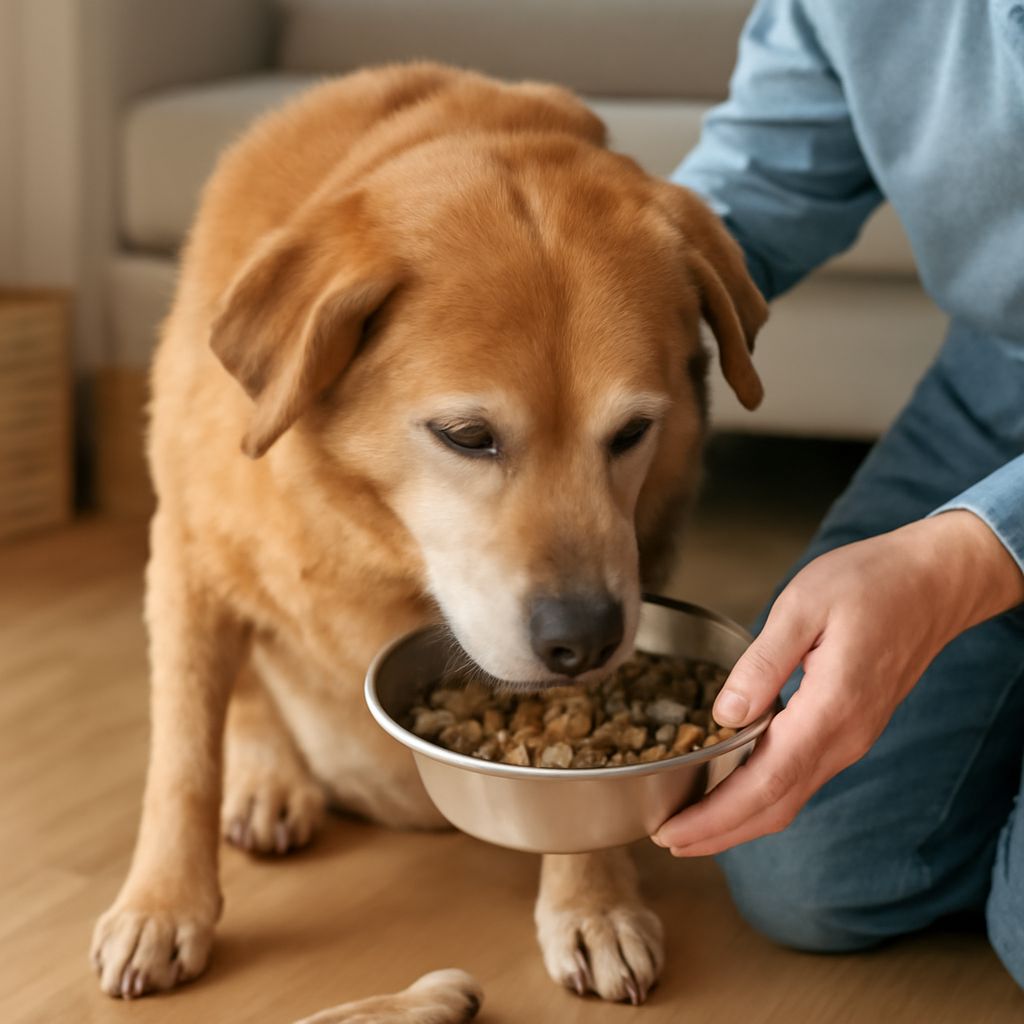
Adding water to dry dog food can potentially alleviate some causes of dry heaving. Moistening kibble can make it easier to chew and digest, reducing the risk of esophageal blockage. It can also slow down fast eaters, preventing them from swallowing large amounts of air, which could contribute to gastrointestinal discomfort and subsequent dry heaves.
How to Properly Add Water
To properly moisten dry dog food, start by adding a small amount of warm water to the kibble and allowing it to sit for a few minutes until it softens. Ensure the food is not too soggy as this could discourage your dog from eating. Adjust the amount of water to achieve a consistency that your dog finds palatable. Consult a licensed veterinarian if you’re unsure about modifying your pet’s diet.
Safety Recap: Always monitor your dog’s reaction when introducing moistened food to their diet. If dry heaving persists or your dog shows signs of severe distress, consult a veterinarian immediately. Their expertise is crucial for addressing complex health issues and ensuring the safety and well-being of your pet.