Dog conjunctivitis is frequently dismissed as a minor cosmetic issue, but inflammation of the conjunctival tissue surrounding the eye can signal infections, allergies, or systemic conditions that warrant prompt attention. Ignoring discharge, redness, or swelling around the eye risks corneal damage and chronic discomfort.
Several distinct concerns often get conflated: can a vaccinated dog get parvo (yes, in rare breakthrough cases), can i get pink eye from my dog (possible but uncommon under typical contact conditions), pink dog collars (unrelated to eye health despite the shared color association), and what to do when a dog has pink eye actively. Separating these topics produces clearer answers for each.
What Is Dog Conjunctivitis and How Does It Develop?
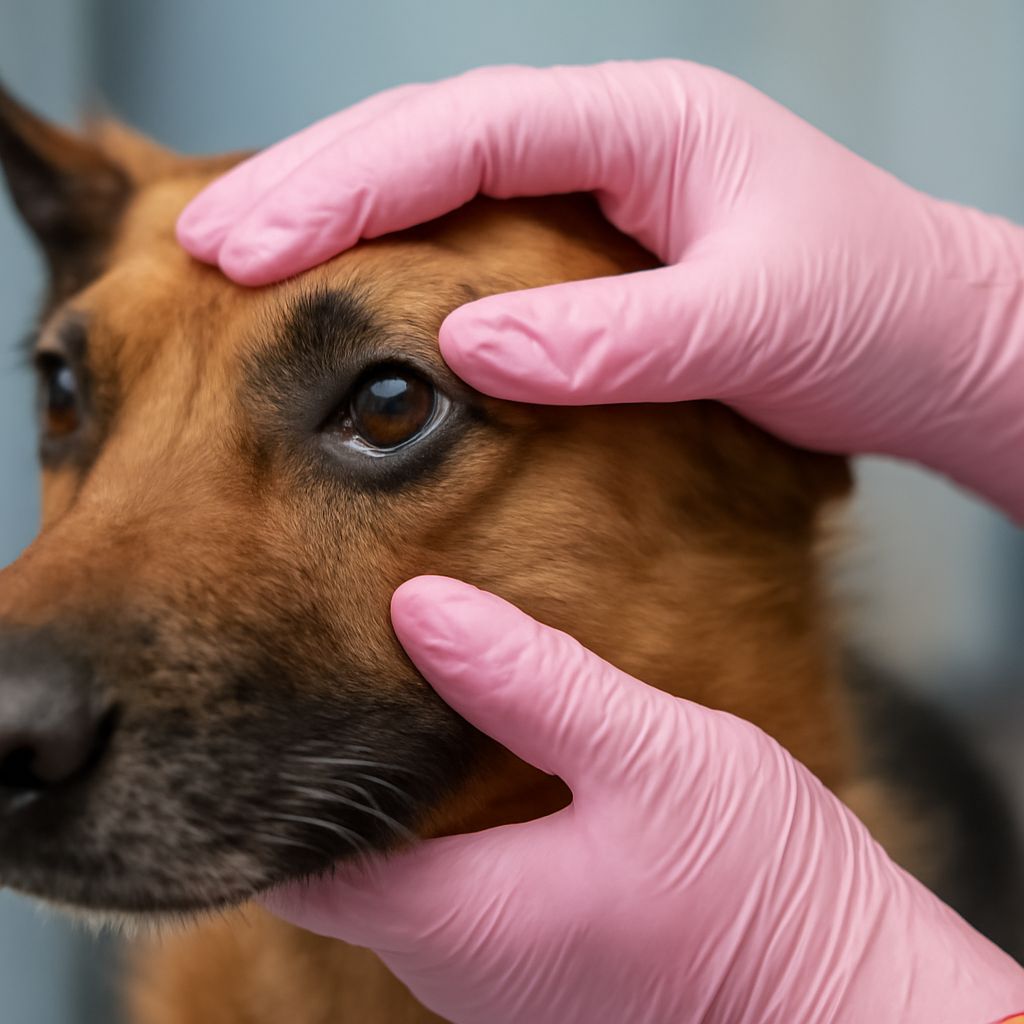
Canine conjunctivitis is inflammation of the thin membrane lining the inner eyelids and covering part of the eyeball surface. It presents as redness, watery or thick discharge, squinting, and pawing at the eye. Causes include bacterial infection (Staphylococcus, Streptococcus), viral infection (distemper, herpesvirus), allergic reaction, foreign bodies, and eyelid abnormalities like entropion.
Allergic conjunctival inflammation typically produces clear, watery discharge and affects both eyes simultaneously. Infectious forms more often involve yellow-green mucous discharge and may start in one eye before spreading. Eye inflammation in dogs should be evaluated by a veterinarian within 24 to 48 hours — over-the-counter human eye drops are inappropriate and potentially harmful for canine use.
Can a Vaccinated Dog Get Parvo?
Vaccination significantly reduces parvovirus risk but does not eliminate it entirely. Breakthrough infections occur in a small percentage of vaccinated dogs, particularly those with incomplete vaccine series, poor vaccine storage conditions, maternal antibody interference in young puppies, or unusually high viral exposure loads. The parvovirus itself does not cause ocular symptoms, but severe infection produces systemic illness including vomiting, bloody diarrhea, and lethargy.
Puppies are most vulnerable because maternal antibodies can interfere with vaccine efficacy until 16 weeks of age. Even with proper vaccination schedules, avoiding high-exposure environments — dog parks, pet stores, areas with known outbreaks — remains a sensible precaution until the series is complete. A vaccinated dog showing gastrointestinal symptoms after parvo exposure warrants immediate veterinary assessment regardless of vaccination status.
Can You Get Pink Eye from Your Dog?
Transmission of canine conjunctivitis to humans is theoretically possible but rare in practice. The bacterial species most commonly responsible for canine ocular infections differ from those that cause human conjunctival disease. Direct contact with discharge — touching the eye and then touching your own — is the primary transmission route. Normal pet interaction including face licking does carry some cross-contamination risk for immunocompromised individuals.
Standard hygiene practices eliminate most transmission risk: wash hands after handling a dog with eye symptoms, avoid face contact until the infection is treated, and use separate towels for eye cleaning. Children and elderly individuals should take additional precautions. The risk of a person acquiring pink eye from a dog is substantially lower than human-to-human transmission.
Treating a Dog That Has Pink Eye
Veterinary diagnosis identifies whether the cause is bacterial, viral, allergic, or structural. Bacterial conjunctivitis responds to topical antibiotic eye drops or ointment prescribed by a veterinarian. Allergic forms may require antihistamines or corticosteroid drops. Structural causes like entropion require surgical correction to prevent recurring episodes.
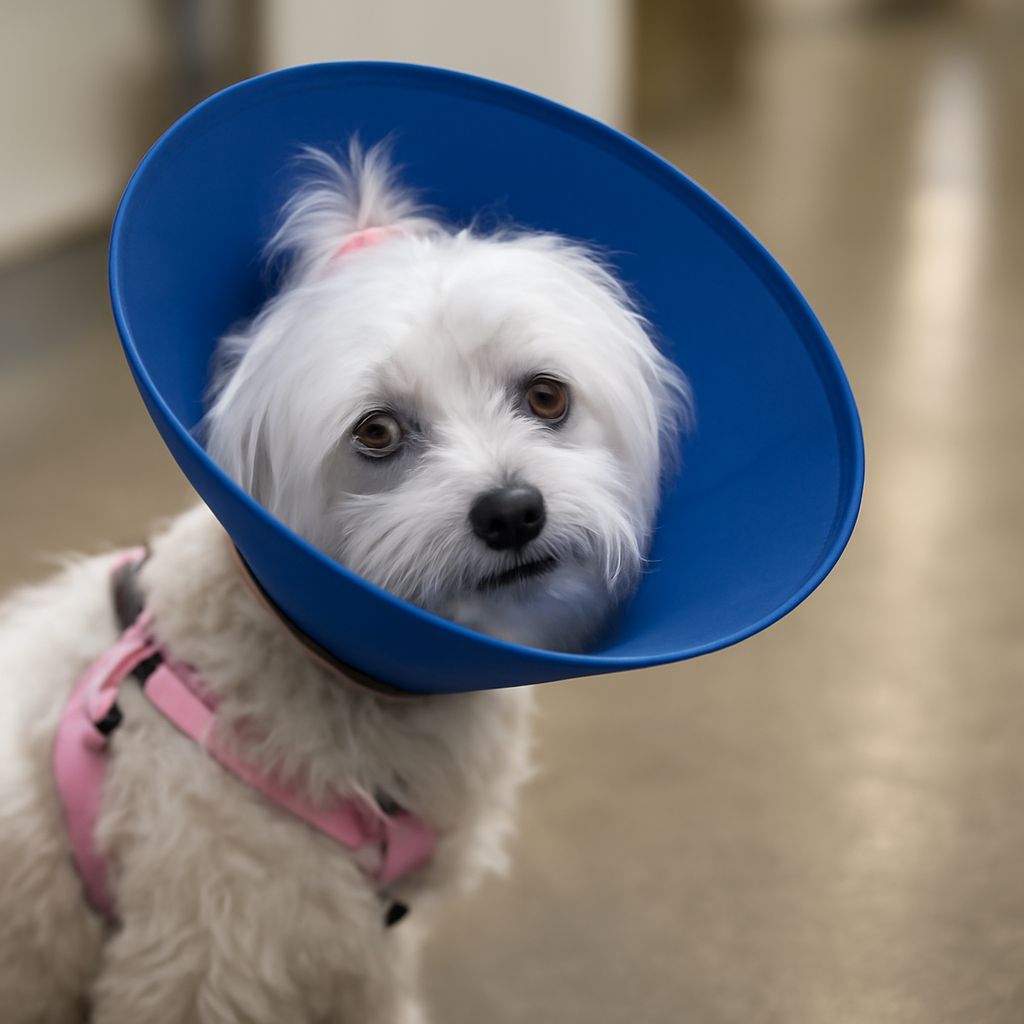
Clean discharge gently from the eye area using a clean cloth dampened with sterile saline, wiping from the inner corner outward. Do not use the same cloth on both eyes if only one is affected. Prevent the dog from rubbing the eye using an e-collar during treatment. Most uncomplicated bacterial cases resolve within seven to ten days of appropriate treatment.
Bottom line: Dog conjunctivitis requires veterinary diagnosis to identify the cause and appropriate treatment — home remedies and human eye products are not substitutes. Vaccination reduces but does not fully eliminate parvo risk, and basic hygiene practices minimize any risk of transmitting eye infections between dogs and people.