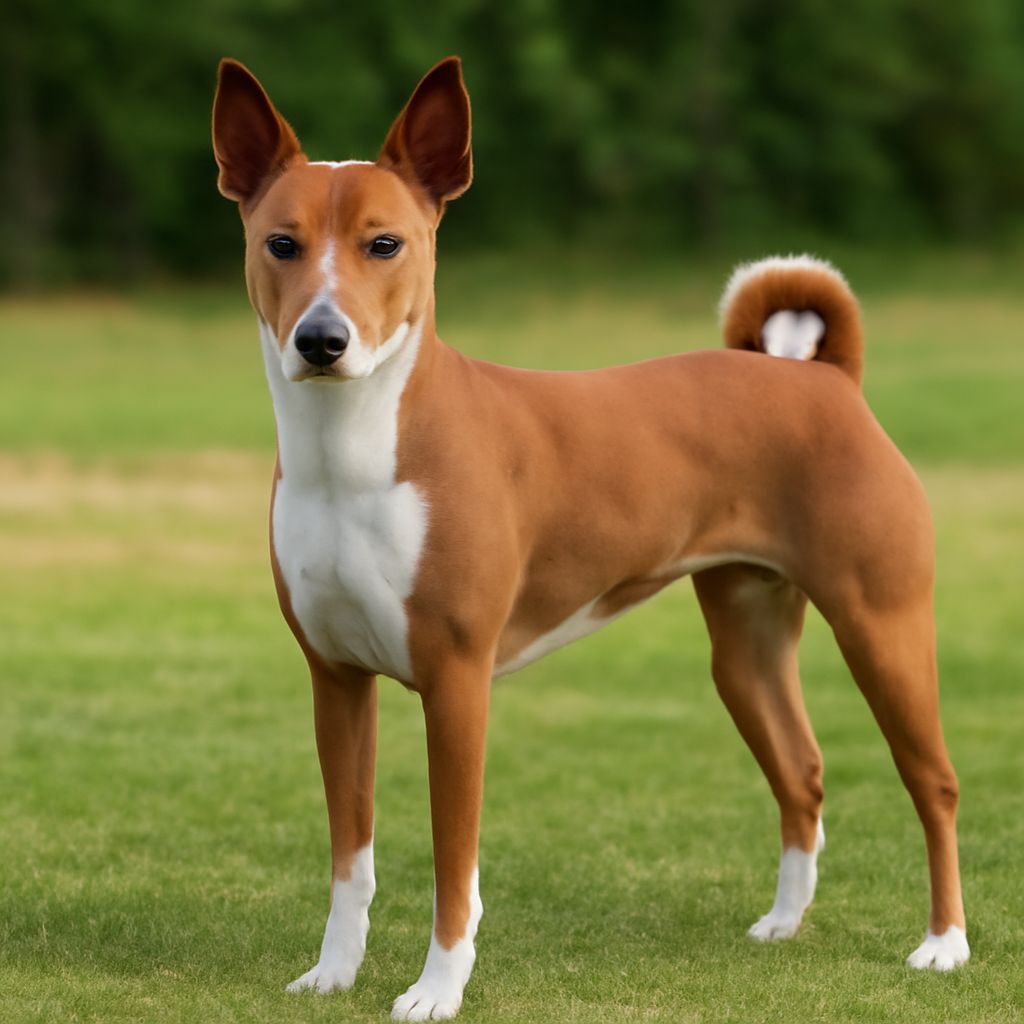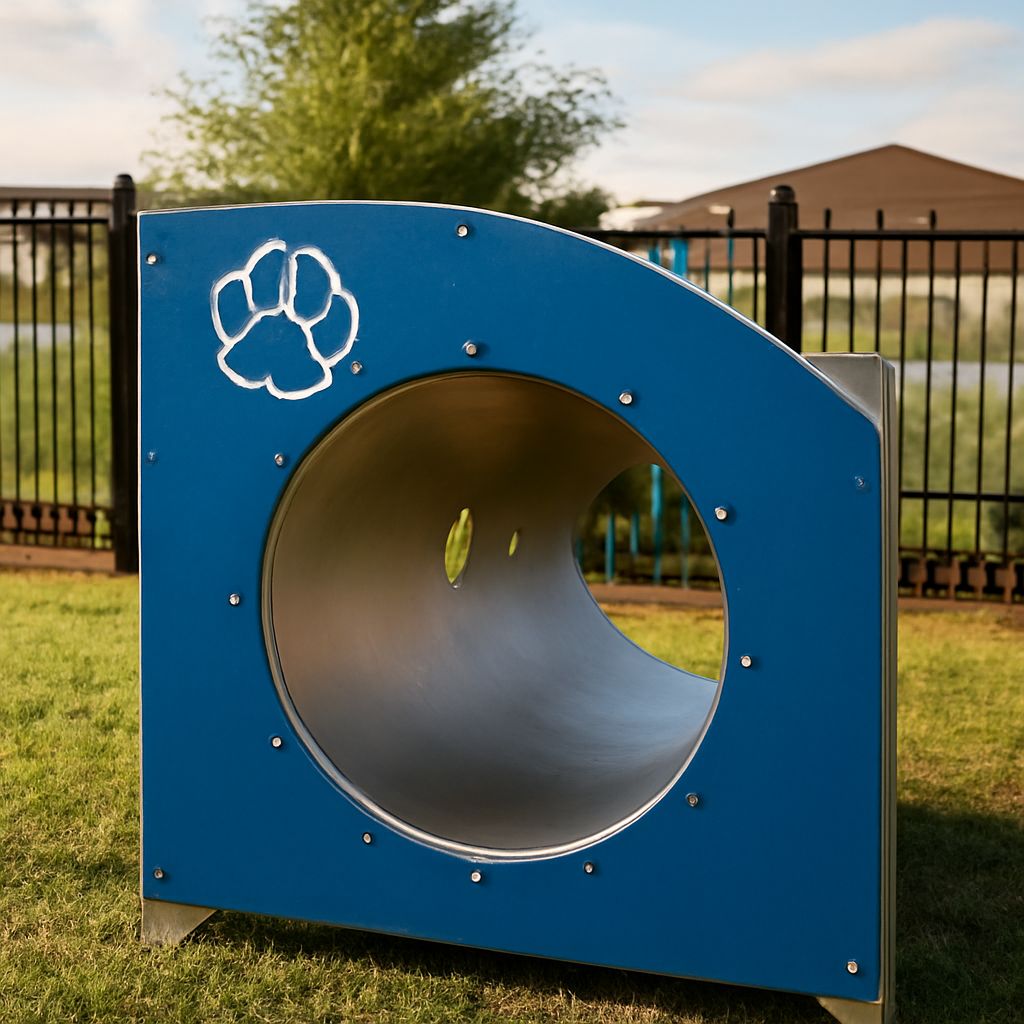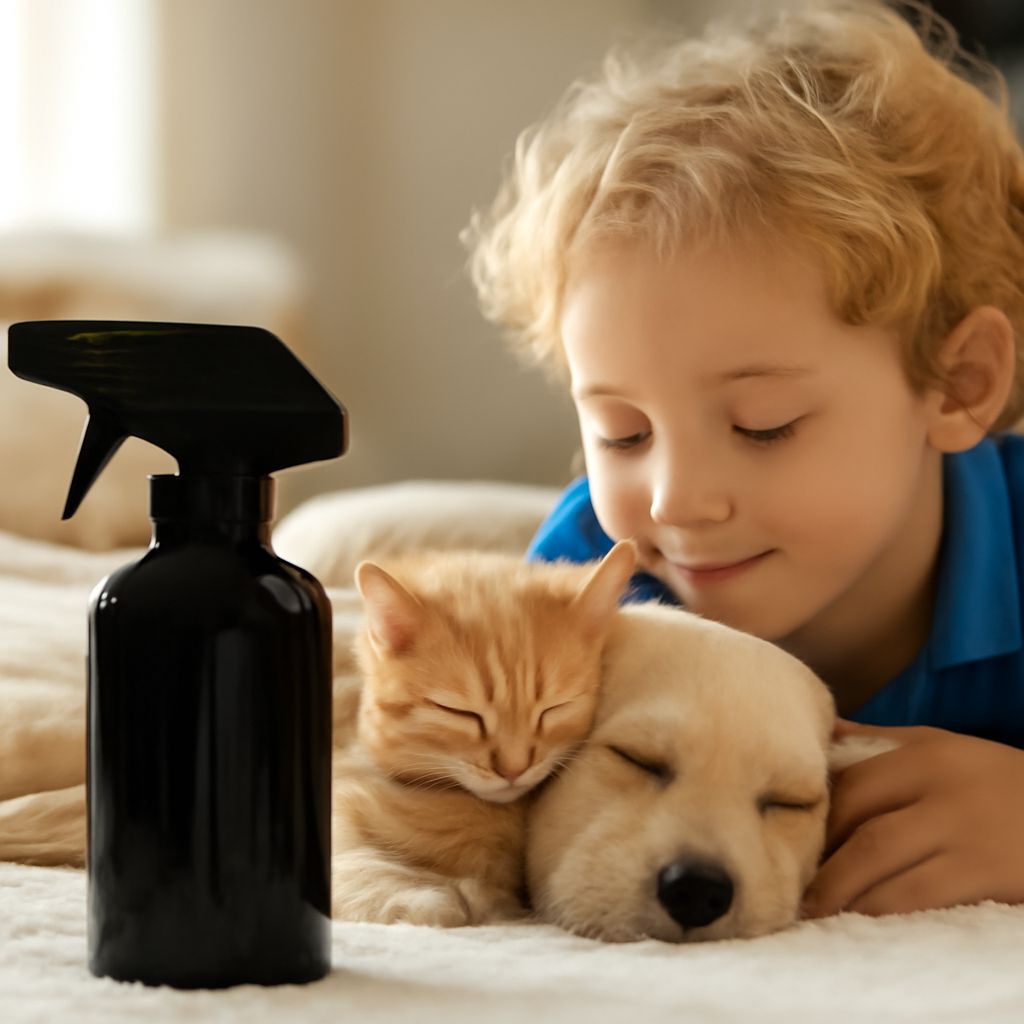
Pet safe laundry detergent is not simply a marketing term — certain conventional detergent compounds genuinely pose toxicity risks to dogs and cats who contact washed fabrics or groom themselves after lying on treated surfaces. Pet safe detergent formulations avoid optical brighteners, concentrated fragrances, and specific surfactants that cause contact dermatitis or gastrointestinal upset when ingested through grooming. The devil dog fountain at the United States Marine Corps Museum in Quantico, Virginia, is a notable piece of Marine Corps iconography — the term “devil dog” itself traces to World War I German soldiers who allegedly described U.S. Marines as “Teufelshunde.” A dog infographic is a visual communication tool used by veterinary practices, shelters, and content creators to present complex care information in digestible, shareable formats. Dog mannequins are three-dimensional breed replicas used for grooming school training, retail display, and educational demonstrations — they allow students to practice scissoring, clipping, and styling techniques without requiring a live dog subject.
Choosing a Pet Safe Laundry Detergent
The primary concerns in conventional laundry detergents for pets are optical brighteners (also called fluorescent whitening agents), concentrated synthetic fragrances, and certain cationic surfactants. Optical brighteners deposit on fabric and can cause photosensitivity reactions in pets with skin contact. Synthetic fragrances in high concentrations irritate the mucous membranes of both dogs and cats. Look for detergents labeled fragrance-free rather than “unscented” — the latter may contain masking fragrances. Plant-derived surfactants and enzyme-based cleaning agents are the safest chemistry for pet households. Washing pet bedding, blankets, and clothing in pet-safe detergent and rinsing thoroughly reduces chemical residue to negligible levels.
Reading Labels on Pet Safe Detergents
A genuinely pet-safe cleaning product will list no artificial fragrances, no optical brighteners, and no quaternary ammonium compounds (quats), which are used in some fabric softeners and can cause oral ulcerations in cats who groom surfaces treated with them. Certifications from organizations such as the Environmental Working Group (EWG) or MADE SAFE indicate third-party verification of ingredient safety. Enzyme-based formulas are particularly effective for pet households because the biological enzymes break down protein-based stains — blood, urine, vomit — rather than merely lifting them from fibers.
Devil Dog Fountain and Marine Corps History
The devil dog mascot and iconography are deeply embedded in Marine Corps culture. Chesty, the official Marine Corps mascot bulldog, is named after Lieutenant General Lewis “Chesty” Puller, the most decorated Marine in history. The dog fountain associated with devil dog imagery at Marine installations represents this long-standing bond between the Corps and the bulldog symbol of tenacity.
Dog Infographics and Mannequins in Pet Education
A well-designed dog infographic uses accurate anatomy, clear typography, and species-specific visuals to communicate care protocols — vaccination schedules, breed identification charts, behavioral body language guides — to general audiences. Infographics shared by veterinary practices improve client health literacy and treatment compliance. Dog mannequins used in grooming education are constructed from high-density foam with realistic proportions and are fitted with actual or synthetic coats to simulate the resistance and behavior of real dog fur during scissoring and clipper work.
Key takeaways: Switching to a genuinely pet-safe detergent protects pets from chemical exposure through fabric contact. Dog infographics and mannequins serve distinct but complementary roles in pet education and professional grooming training.