Large black dog breeds face a documented adoption disadvantage known as “black dog syndrome” — the tendency for darker-coated large dogs to be overlooked in shelters, partly due to less flattering photography and partly due to unfounded cultural associations. How to stop a dog from peeing when excited is one of the most common house-training questions for puppies and young dogs — the behavior is physiologically different from marking or incomplete house-training and requires a distinct approach. When to neuter a dog large breed is a question with evolving veterinary guidance — research increasingly supports delayed neutering for large and giant breeds to allow full musculoskeletal development. Large service dog breeds are selected based on temperament, trainability, and size requirements for specific tasks — Labrador Retrievers, German Shepherds, and Golden Retrievers dominate this field. Top 10 large breed dog foods are formulated with adjusted calcium-to-phosphorus ratios and controlled caloric density to support joint health and prevent rapid growth-related skeletal issues in large breed puppies.
Recognizing and Managing Large Black Dog Breeds
Popular Large Black Breeds
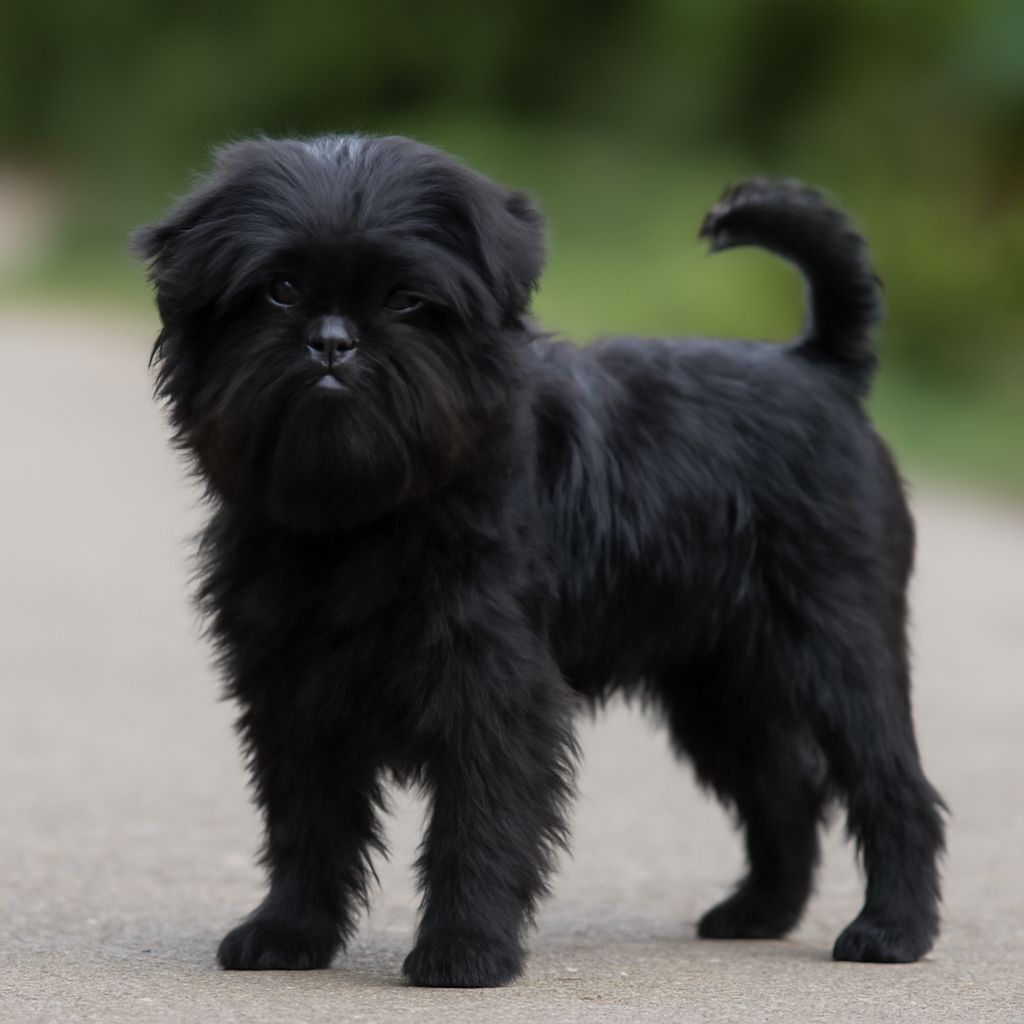
Black Labrador Retrievers, Rottweilers, Giant Schnauzers, Black Russian Terriers, and Great Danes with black coats are among the most recognizable large black dog breeds. Each carries distinct temperament and exercise requirements. Labrador Retrievers in black coat are often passed over in shelters despite being among the most family-compatible breeds available. High-quality shelter photography and virtual meet-and-greet programs have reduced the adoption disparity in facilities that implement them actively.
Excited Urination: Cause and Solution Excited urination in puppies and young dogs is a neurological phenomenon — the bladder sphincter temporarily loses control under high emotional arousal. The condition is not a house-training failure. Stopping excited urination requires reducing the intensity of greetings: ignore the dog until fully calm, then offer quiet, low-energy acknowledgment. Visitors should be briefed on this approach. Most dogs naturally outgrow excited urination by 12 to 18 months as the nervous system matures.
Neutering Timing for Large Breeds
Orthopedic research from UC Davis and other institutions indicates that early neutering in large and giant breeds correlates with higher rates of certain orthopedic conditions — cranial cruciate ligament rupture and hip dysplasia — compared to dogs neutered after full skeletal maturity. Current veterinary guidance for large breeds suggests waiting until 18 to 24 months before neutering, balancing orthopedic health against behavioral and reproductive considerations. Discuss timing with a veterinarian who is familiar with the current research in this area.
Nutrition for Large and Giant Breeds
Large breed dog foods are formulated to slow the rate of calcium deposition and manage growth speed in puppies whose rapid skeletal development creates vulnerability to developmental orthopedic disease. Look for AAFCO statements confirming the food is formulated for large breed growth. Adult large breed maintenance foods manage caloric density to prevent obesity — a primary contributor to joint disease progression. Consult a veterinary nutritionist for giant breeds with specific orthopedic diagnoses requiring dietary management.
Large breed dog ownership involves breed-specific decisions at every life stage. From adoption to neutering timing to nutrition, evidence-based choices produce the best long-term health outcomes for these dogs.