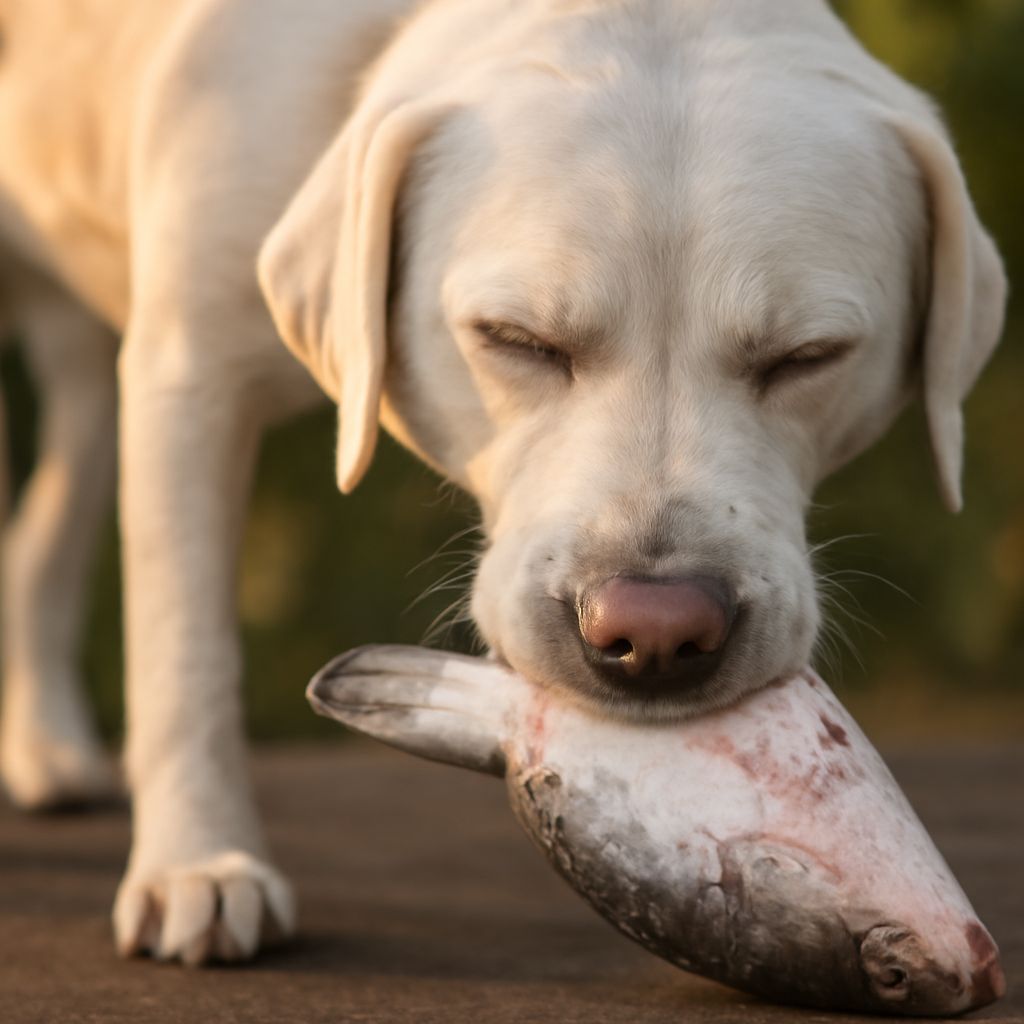
Why does my dog smell like fish is a question that startles most owners, especially when the dog has not been near water or seafood. The dog fishy smell has a specific and common source: anal glands. My dog smells like fish is the clearest clinical signal that anal gland expression is overdue, impacted, or infected. A dog smells fishy because the secretion produced by anal glands — scent glands located on either side of the anus — has a naturally pungent, fish-like odor that becomes overpowering when the glands are full or improperly expressed. A fishy smell from a dog can also originate from the mouth or skin, each with its own distinct cause and treatment pathway.
Anal Glands: The Most Common Source of Fishy Odor in Dogs
How Anal Glands Work and Why They Cause Odor
Anal glands — also called anal sacs — are paired glands that empty through small ducts onto the anal surface during normal bowel movements. The secretion serves as a scent marker in canine social communication. In healthy dogs, glands empty naturally during defecation. In dogs with consistently soft stools, small body size, or anatomical predispositions, the glands may not empty fully, leading to impaction and odor that owners describe as a distinct fish smell.
Signs of Anal Gland Problems Scooting — dragging the hindquarters along the floor — is the most recognizable behavioral sign of anal gland discomfort. Dogs may also lick or bite at the area around the tail base and show reluctance to sit. An acutely impacted gland produces a stronger, more persistent fishy dog odor that may transfer to furniture or bedding where the dog sits. Infected anal glands require veterinary treatment — manual expression combined with antibiotic therapy if infection is present.
Other Sources of Fishy Smell in Dogs
Dental Disease and Oral Odor
Advanced periodontal disease and oral infections produce a range of malodors including a fishy or sulfurous quality. Dogs with severe gum disease harbor large populations of anaerobic bacteria that produce volatile sulfur compounds. A dog that smells fishy primarily from the mouth needs a veterinary dental examination and likely a professional cleaning under anesthesia to address the source. Home brushing prevents accumulation but cannot reverse established periodontal disease.
Skin Infections and Coat Odor
Secondary yeast or bacterial skin infections can produce a fishy or sour smell, particularly in skinfolds and under the ears. Breeds with heavy facial folds — Bulldogs, Pugs, and Shar-Peis — are most susceptible. Keeping these areas clean and dry with regular fold cleaning and using appropriate medicated wipes or rinses reduces odor significantly. A veterinarian should evaluate persistent skin odor to rule out active infection.
A fishy smell from a dog almost always has an identifiable physical cause. Anal gland expression — performed by a veterinarian or trained groomer — resolves the most common source immediately. Persistent or recurrent fishy odor despite regular expression warrants a full veterinary workup to identify underlying contributing factors.