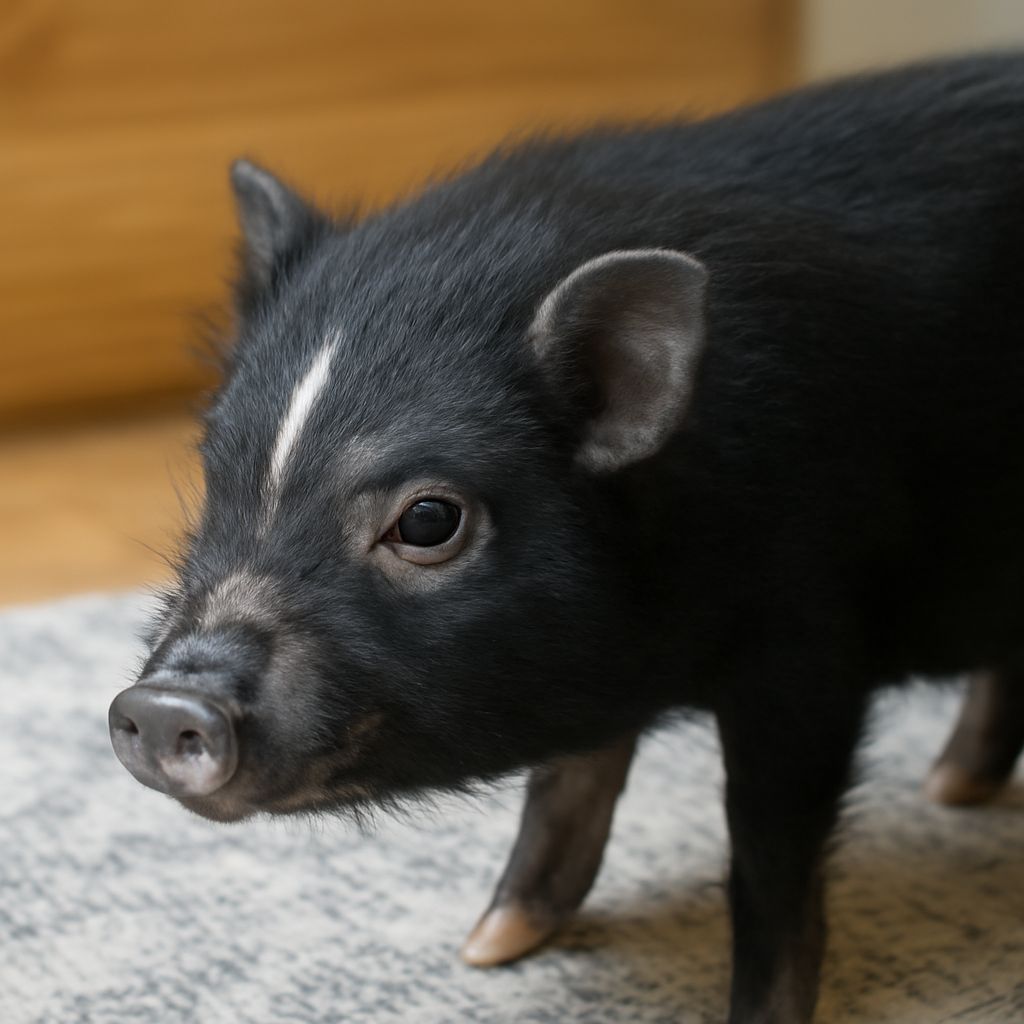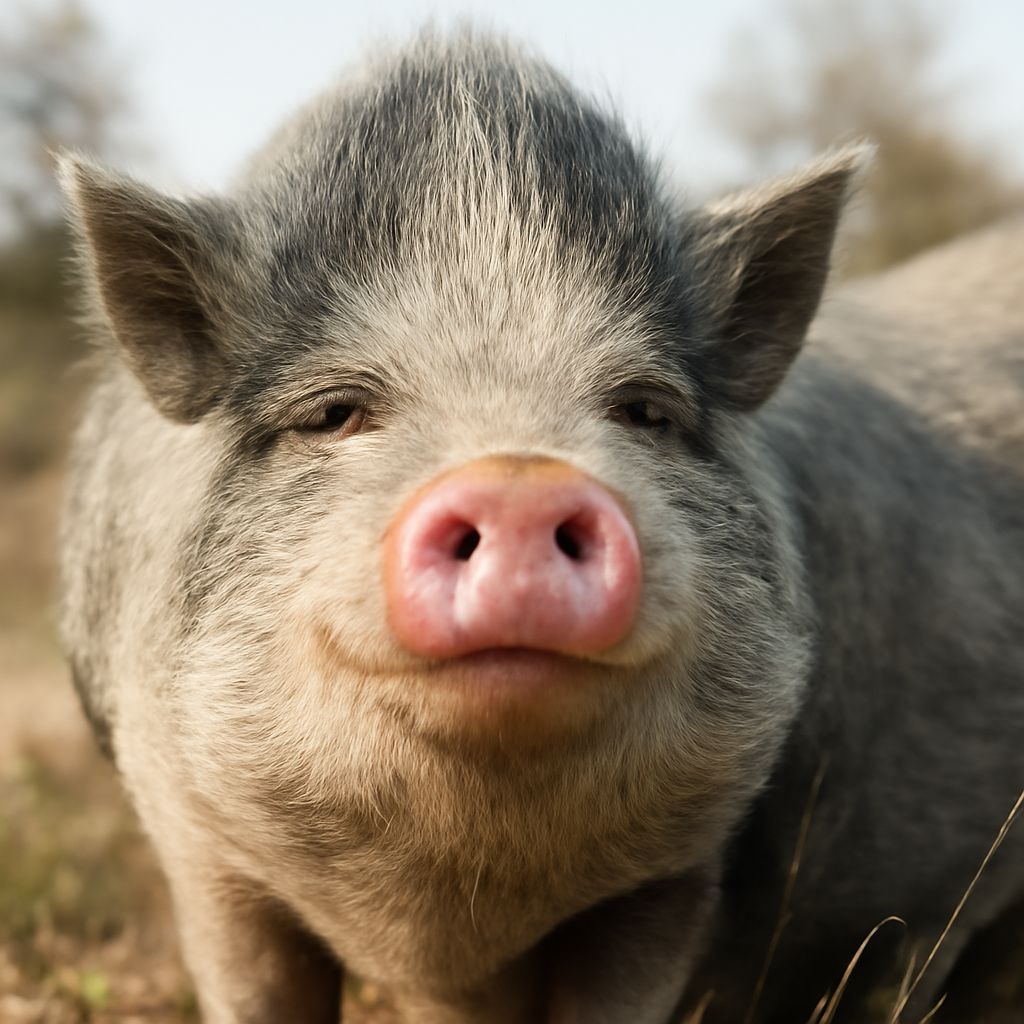
The question of whether pigs are good pets is complicated by the significant gap between the idealized image of a micro-pig and the reality of a fully grown domestic pig. Are pigs good pets for the right owner, in the right environment, with realistic expectations — yes. Do pigs make good pets for apartment dwellers, households with very young children, or owners who expect a low-maintenance companion — generally not. Having a pet pig means committing to an intelligent, emotionally complex animal that demands enrichment, social interaction, proper nutrition, and veterinary care from a practitioner experienced with porcine patients. Pet pig lifespan ranges from 12 to 20 years, making pig ownership a decades-long commitment that outlasts many dog breeds. Pigs as house pets are legal in some jurisdictions and prohibited in others — local zoning laws and HOA rules must be verified before acquisition.
The Reality of Living with a Pet Pig
Intelligence, Social Needs, and Behavioral Expectations Domestic pigs are ranked among the most cognitively complex animals — they can learn names, solve puzzles, and recognize themselves in mirrors. This intelligence makes them rewarding companions but also demanding ones. A pet pig left alone for extended periods will become bored and destructive. Pigs are highly food-motivated, which makes training relatively straightforward using positive reinforcement, but the same trait makes them persistent and manipulative when they want food. Establishing and maintaining clear behavioral boundaries from the start prevents the pig from learning to push owners around — literally and figuratively.
Space, Housing, and Outdoor Requirements Pigs kept indoors need a dedicated space where they can root — an instinctive behavior that involves pushing their snout into substrates. Providing a digging box with safe materials meets this need without allowing the pig to root up flooring. Access to outdoor space for rooting, grazing, and sunshine is important for porcine welfare. Outdoor areas must be securely fenced — pigs are powerful diggers and will root under standard fencing if motivated.
Pet Pig Lifespan and Veterinary Care
The pet pig lifespan of 12 to 20 years means owners must plan for decades of care including annual veterinary visits, hoof trimming every 6 to 8 weeks, tusk management in males, and vaccination protocols against erysipelas and other swine diseases. Finding a veterinarian comfortable with pig patients is not always straightforward — large animal vets and exotic animal practitioners are the most reliable options. Spaying or neutering pet pigs is strongly recommended to prevent reproductive cancers and reduce hormonally-driven aggression.
Legal Considerations for Pigs as House Pets
Many municipalities classify pigs as livestock regardless of size, making them illegal to keep in residential zones. Verify zoning ordinances, HOA rules, and any breed or weight restrictions before acquiring a pig. “Teacup” or “micro” pig claims should be viewed with significant skepticism — most so-called miniature pigs reach 100 to 200 pounds at adulthood. Purchase only from breeders who allow you to meet adult relatives of the piglet to establish realistic size expectations.
A well-socialized pig in an appropriate environment is a genuinely rewarding companion for owners who understand the commitment involved. Those who proceed with clear information consistently report a deep bond with their porcine pets that justifies the considerable care investment.