Indian dog breeds represent a genetically diverse group that predates many Western purebreds by thousands of years, yet they remain underrepresented in global breed registries. The Rajapalayam, Mudhol Hound, and Indian Pariah Dog are among the most recognized, each adapted to specific regional climates and working roles. HGE in dogs — hemorrhagic gastroenteritis — is a condition that disproportionately affects smaller breeds but can strike any dog suddenly, causing rapid deterioration without prompt treatment. The dog saddle refers to a distinct coat pattern seen in certain breeds, including some Indian varieties, where a darker patch covers the back. Understanding the dog respiratory system and dog circulatory system helps owners recognize when breathing or circulation changes signal a veterinary emergency.
Indian Dog Breeds: History, Characteristics, and Modern Roles
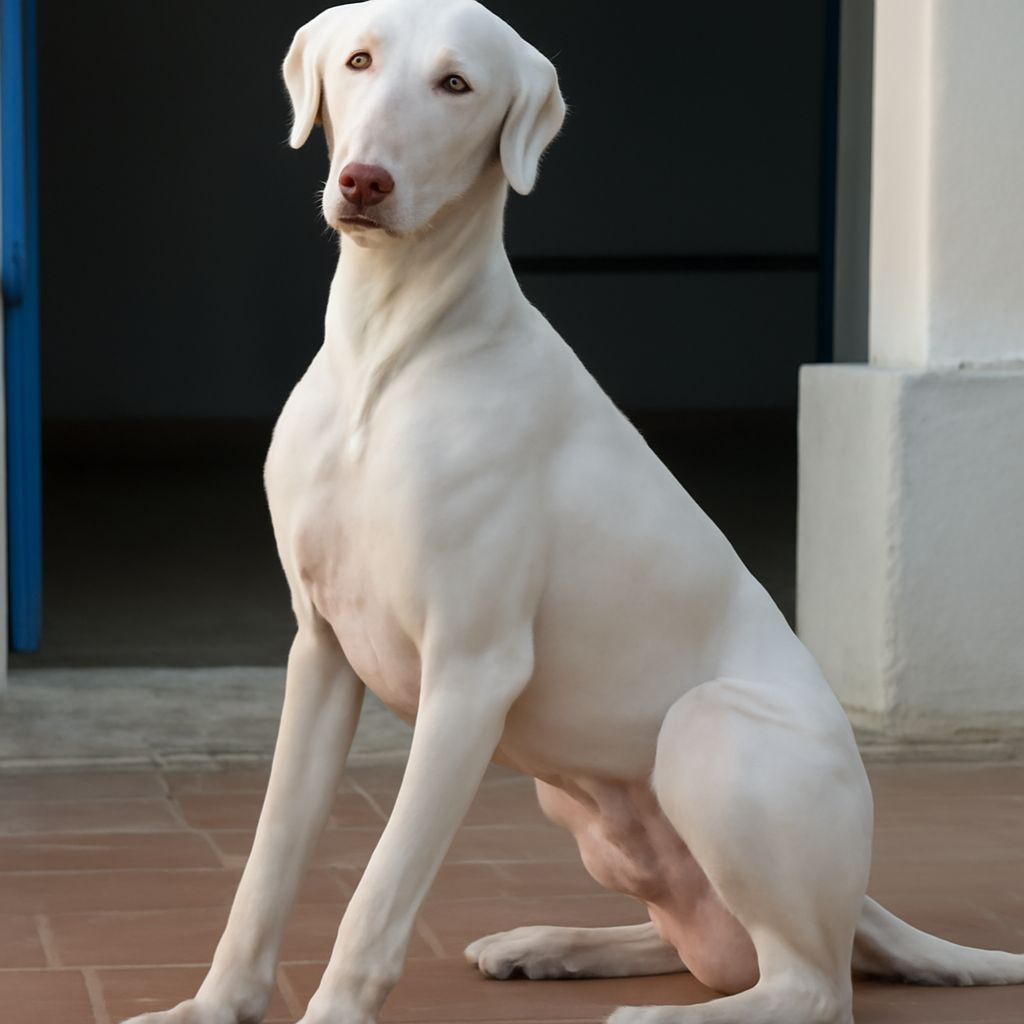
Ancient Landrace Dogs of India The Indian Pariah Dog is considered one of the oldest domesticated dog types in the world, shaped by thousands of years of natural selection in South Asian environments. These dogs are medium-sized, short-coated, and highly adaptable — their survival fitness makes them resistant to many common health issues. The Mudhol Hound, also called the Caravan Hound, is a sighthound used historically for hunting and still employed in Indian military service. Rajapalayam dogs are large, white, and fiercely loyal — bred for boar hunting and estate guarding in Tamil Nadu.
The Saddle Coat Pattern in Dogs
The dog saddle marking is a pigmentation pattern where a darker color forms a blanket-like patch across the back and sides of an otherwise lighter dog. This pattern appears in breeds including German Shepherds and Airedale Terriers, and can also be observed in certain Indian mixed-breed dogs. The saddle pattern is genetically distinct from the blanket pattern, which involves heavier pigmentation coverage.
HGE in Dogs: Rapid Onset and Critical Response
Hemorrhagic gastroenteritis in dogs presents suddenly with bloody diarrhea, vomiting, and rapid dehydration. The HGE dog condition requires immediate veterinary attention — affected dogs can go into hypovolemic shock within hours if fluids are not administered. IV fluid therapy is the cornerstone of treatment, supplemented by anti-nausea medication and intestinal protectants. Most dogs recover fully with prompt treatment, but delayed care significantly worsens prognosis. Dogs that have experienced HGE once have a higher-than-average risk of recurrence.
The Canine Respiratory and Circulatory Systems
The dog respiratory system moves oxygen from the environment through the nasal passages, trachea, bronchi, and into the alveoli of the lungs where gas exchange occurs. Normal resting respiratory rate in dogs is 15 to 30 breaths per minute; rates above 40 at rest indicate respiratory compromise. The dog circulatory system circulates oxygenated blood via a four-chambered heart, delivering nutrients to every tissue and removing metabolic waste. A normal resting heart rate for most adult dogs is 60 to 140 beats per minute, varying by size. Conditions such as congestive heart failure, pulmonary hypertension, and anemia affect both systems simultaneously and require specialist evaluation.
Familiarity with your dog’s baseline breathing and heart rate helps you detect deviations early. Annual veterinary examinations that include auscultation of the heart and lungs are the best structural defense against undiagnosed cardiovascular and respiratory disease.