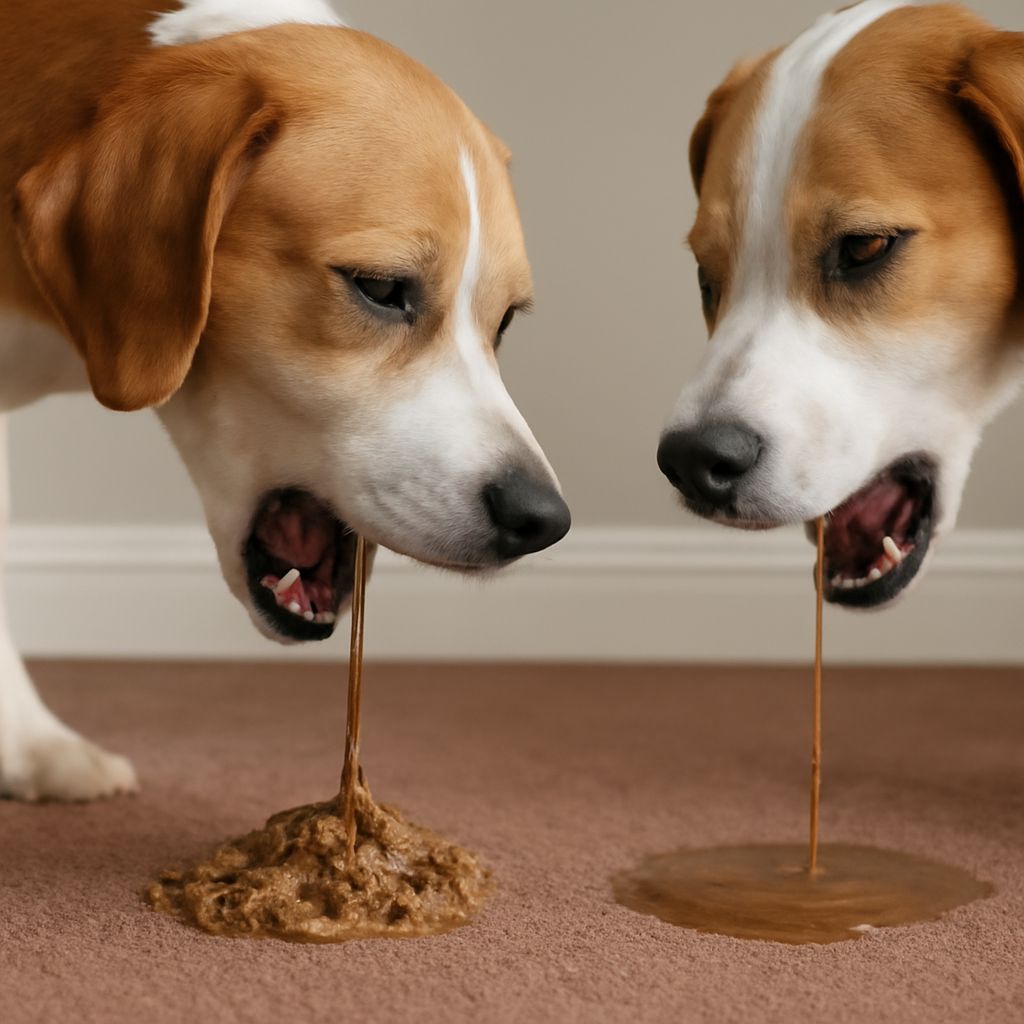
Knowing how to make dog vomit is one of those skills every dog owner hopes never to need but should absolutely understand. The instinct to make dog vomit immediately after a dog swallows something harmful is understandable, but this action is only safe in specific, narrow circumstances — and must be guided by a veterinarian or poison control specialist. How to get a dog to vomit is not a one-size-fits-all answer; the substance ingested, the time elapsed, and the dog’s health status all determine whether induction is appropriate. Attempting to make a dog vomit using home remedies like salt or dish soap carries serious risks including aspiration, sodium toxicity, and chemical burns. Making a dog vomit at home should only happen with explicit veterinary authorization and using approved methods.
When Inducing Vomiting Is and Is Not Appropriate
Situations Where Vomiting May Be Indicated
Vomit induction may be appropriate if a dog ingested a non-caustic toxic substance less than two hours ago. Examples include chocolate, xylitol-containing foods, certain medications, or toxic plants. The two-hour window is critical because the stomach empties quickly, reducing the amount of toxin recovered. Always contact a veterinarian or the ASPCA Animal Poison Control Center before attempting to make your dog vomit — they will assess the case and authorize the appropriate method.
When You Must Not Induce Vomiting Vomiting induction is contraindicated after ingestion of caustic substances such as bleach, drain cleaner, or battery acid. Getting a dog to vomit these materials causes chemical burns on the way back up, worsening the injury. Sharp objects like bones or metal fragments can lacerate the esophagus during vomiting. Dogs that are already unconscious, seizing, or showing respiratory distress should never have vomiting induced — immediate emergency veterinary care is the only appropriate response.
The Veterinarian-Approved Method for Inducing Vomiting
Hydrogen Peroxide: Dosage and Administration
When a veterinarian authorizes home induction, 3% hydrogen peroxide is the standard agent. The typical dose is 1 milliliter per pound of body weight, not exceeding 45 milliliters. Administer orally using a syringe and keep the dog moving to stimulate the stomach. Vomiting usually occurs within 10 to 15 minutes. If it does not, do not repeat the dose without veterinary guidance — excessive hydrogen peroxide causes hemorrhagic gastroenteritis.
Apomorphine: The Clinical Option
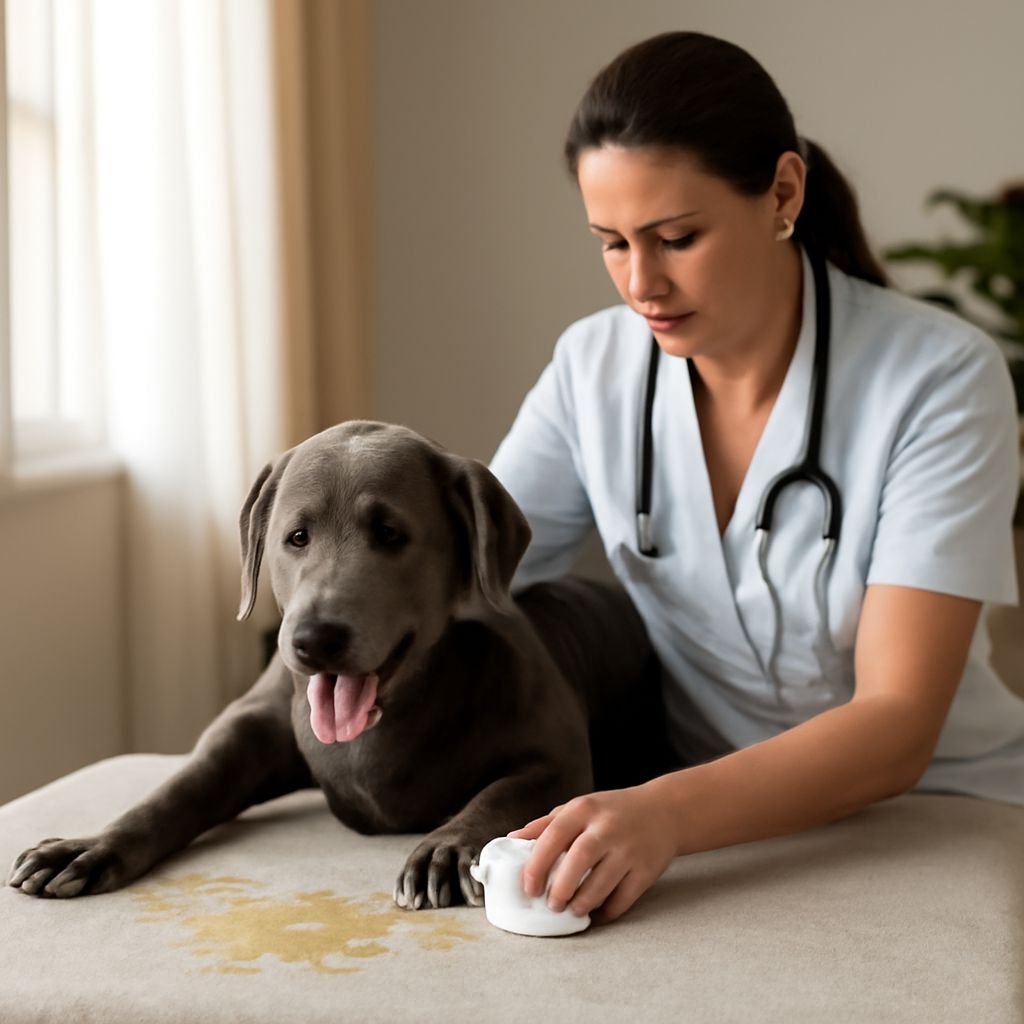
In a veterinary clinic, making a dog vomit typically involves apomorphine, a dopamine agonist that reliably induces emesis within minutes. This is the preferred method when professional care is accessible because it is faster, more predictable, and reversible. If you can reach a veterinary clinic quickly, this is always the superior option compared to home management.
After Vomiting: Next Steps and Monitoring
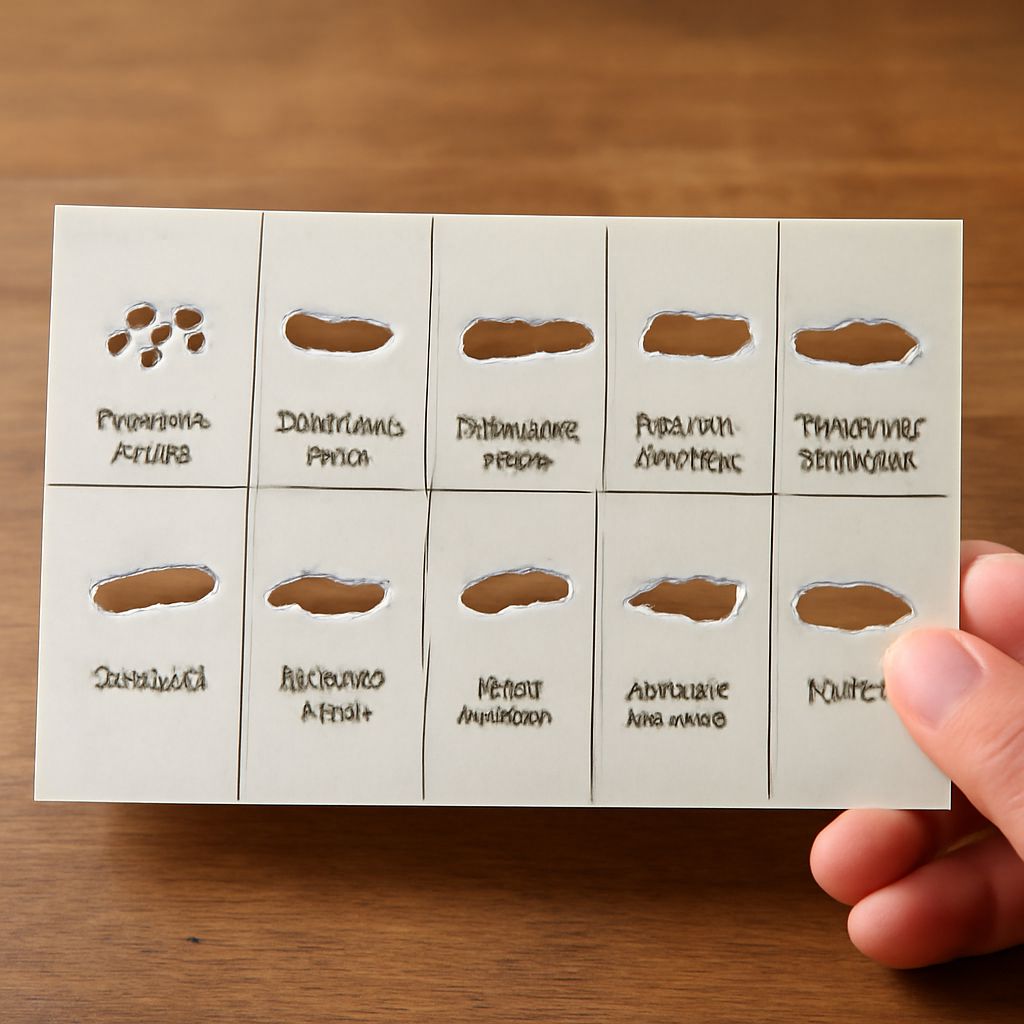
After vomiting is induced, bring the dog and a sample of the vomit to a veterinarian for evaluation. Even when the immediate threat is addressed, certain toxins continue to absorb through the gastrointestinal tract and require activated charcoal or IV fluids. Monitor your dog closely for lethargy, tremors, seizures, or difficulty breathing in the hours following any toxic exposure. A veterinarian should clear the dog before returning to normal feeding.
Making a dog vomit is a time-sensitive emergency response, not a casual home remedy. Call your vet or a poison control hotline before taking any action — that single step prevents the most serious complications associated with inducing vomiting in dogs.