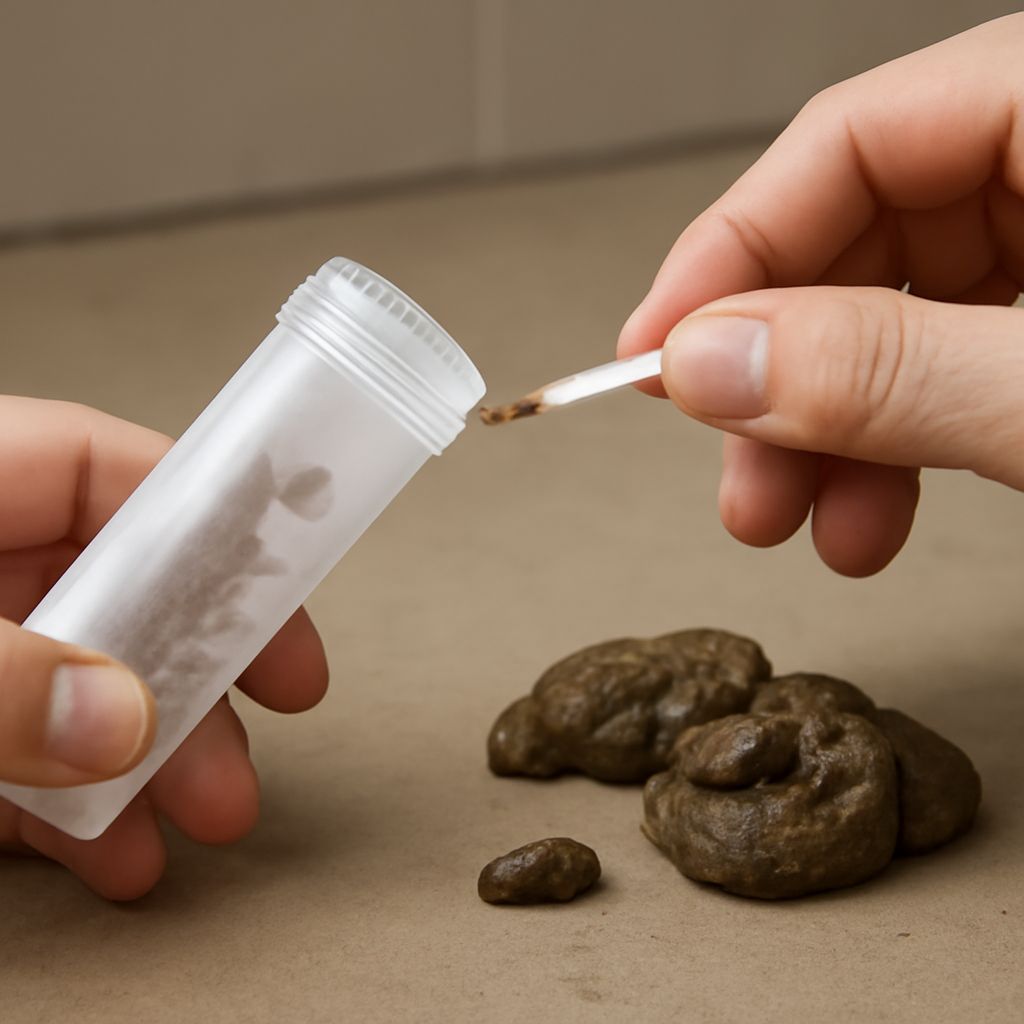
Discovering short white worms in dog poop understandably triggers alarm, but the cause is almost always identifiable and treatable. The presence of flat white worms in dog poop is nearly always tapeworm segments — proglottids — that have detached from an adult worm living in the intestine. Many owners first notice what looks like rice in dog poop while cleaning up after their pet, which is a reliable early warning sign. Dog worms that look like rice are not a separate species but rather segments shed by tapeworms, and catching the problem early prevents the parasite from maturing and reproducing further. Worms in dog poop that look like rice may also move slightly when freshly passed, which distinguishes them from undigested food particles.
Identifying White Worms in Your Dog’s Stool
Tapeworm Segments vs. Other Parasites
Tapeworm proglottids are flat, white, and roughly rectangular — typically 3 to 5 millimeters long. Roundworms, by contrast, are longer, cylindrical, and appear more like spaghetti. The rice-like white worm appearance is specific to tapeworm segments and helps narrow the diagnosis quickly. If segments are moving, they are freshly passed; dried segments found around the tail or bedding resemble sesame seeds rather than white worms.
Why They Look Like Rice Grains
Each proglottid contains thousands of tapeworm eggs and is designed to detach and pass through the digestive tract. The flattened, grain-like morphology of tapeworm segments is consistent across species, which is why so many owners describe finding rice-like particles in stool. A veterinarian can confirm the species with a fecal flotation test, though the visual appearance is often sufficient for an initial presumptive diagnosis.
How Dogs Get Tapeworms and Other Rice-Like Worms
Flea Ingestion and Tapeworm Transmission
The most common route of tapeworm infection in dogs is ingesting an infected flea during grooming. Fleas serve as intermediate hosts for Dipylidium caninum, the most prevalent tapeworm in dogs. A dog does not need to eat many fleas — even one infected flea swallowed while biting at an itch is enough to establish an infection. This is why flea control and deworming must go hand in hand; treating one without the other leaves a gap that allows reinfection.
Other Parasites With Similar Appearance
Echinococcus and Taenia species are other tapeworms with similar rice-grain segment appearance. These are typically acquired through hunting behavior — eating raw prey such as rabbits or rodents. Unlike Dipylidium, Taenia infections are not linked to fleas, making hunting restriction an important prevention strategy for dogs with outdoor access.
Treatment and Prevention of Intestinal Worms in Dogs
A veterinarian will prescribe praziquantel, the gold-standard dewormer for tapeworms, which dissolves the parasite in the intestine. Treatment is highly effective and typically produces results within 24 hours. Preventing re-infection requires maintaining continuous flea control with a veterinarian-recommended product. Dogs that hunt or scavenge should be dewormed regularly — your vet can advise on a schedule based on lifestyle risk. Annual fecal exams remain the most reliable tool for detecting intestinal parasites before visible symptoms appear.
Bottom line: White rice-like particles in your dog’s stool are almost always tapeworm segments and require veterinary-prescribed deworming paired with aggressive flea control. Prompt treatment stops the infection cycle and protects your household.