A dog toothbrush is not optional equipment if you want your pet to keep its teeth past middle age. Periodontal disease affects most dogs by age three, and daily or near-daily brushing is the single most effective way to slow its progression. The belief that dry kibble cleans teeth on its own is a persistent myth: hard kibble does not remove plaque from the gumline, which is where decay begins. A dog finger toothbrush is the gentlest starting point for dogs that have never had their teeth touched. It fits over your fingertip, giving you direct tactile control and keeping the brush close to the gumline without hard plastic near a nervous dog’s mouth. A quality pet toothbrush comes in several styles to match different mouth sizes, and choosing the wrong one reduces effectiveness. Using a dog tooth brush with the wrong angle or too much pressure causes gum irritation rather than preventing it. Many owners ask whether they can brush dog teeth with coconut oil instead of commercial toothpaste, and the answer is that coconut oil is safe and has mild antibacterial properties, though it lacks the enzymatic action found in purpose-made dog dental products.
Never use human toothpaste on a dog. Fluoride is toxic to dogs when swallowed, and xylitol, found in some whitening toothpastes, causes dangerous drops in blood sugar. Dog-safe toothpaste or plain coconut oil are the only acceptable options.
Types of Dog Toothbrushes and How to Choose
Standard Bristle Brushes for Dogs
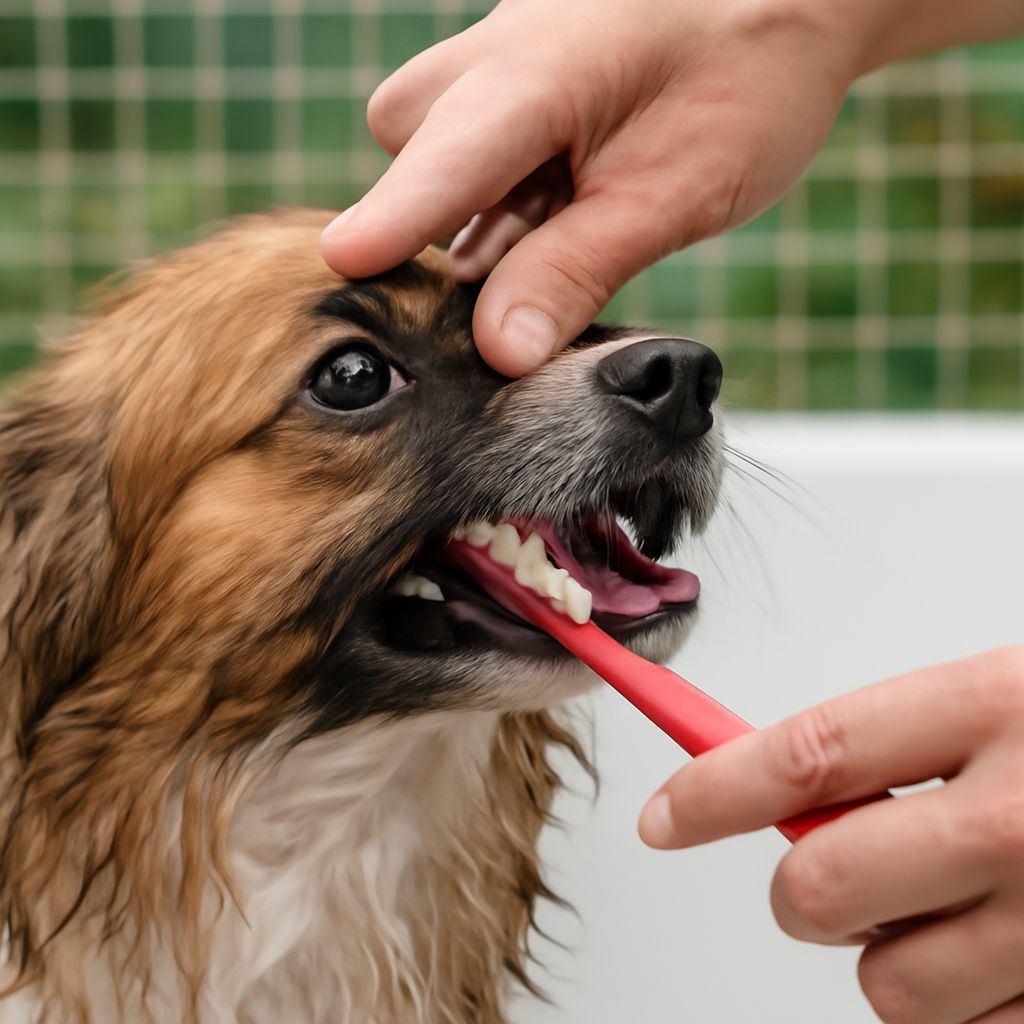
The classic dog toothbrush resembles a human toothbrush but has a longer handle, a smaller head, and softer bristles angled to reach behind the back molars. Some designs offer a dual head with a large brush on one end and a smaller one on the other, useful for households with dogs of different sizes. Soft bristles are always preferable to medium or firm because dogs have thinner gum tissue than humans and are more prone to gum recession from aggressive brushing.
Dog Finger Toothbrush Pros and Cons
A finger toothbrush for dogs is made from soft silicone with raised rubber nubs rather than bristles. The advantage is control and gentleness, making it the preferred tool during the introductory phase of dental care when the dog is still learning to accept mouth handling. The downside is limited reach: on large dogs or those with deep mouths, the finger version cannot access the back teeth effectively. Once a dog accepts dental handling comfortably, transitioning to a long-handled bristle brush improves coverage significantly.
Choosing by Dog Size and Mouth Shape
Small and toy breeds need a toothbrush head no wider than their individual teeth. Medium dogs do well with a standard small head. Large and giant breeds benefit from a wider head that covers more surface area per stroke. Flat-faced breeds require a very small, angled head to navigate their compressed jaw structure. The pet toothbrush aisle at most stores now offers size-specific options labeled by breed category, which removes most of the guesswork.
How to Brush Your Dog’s Teeth Step by Step
Getting Your Dog Used to the Brush
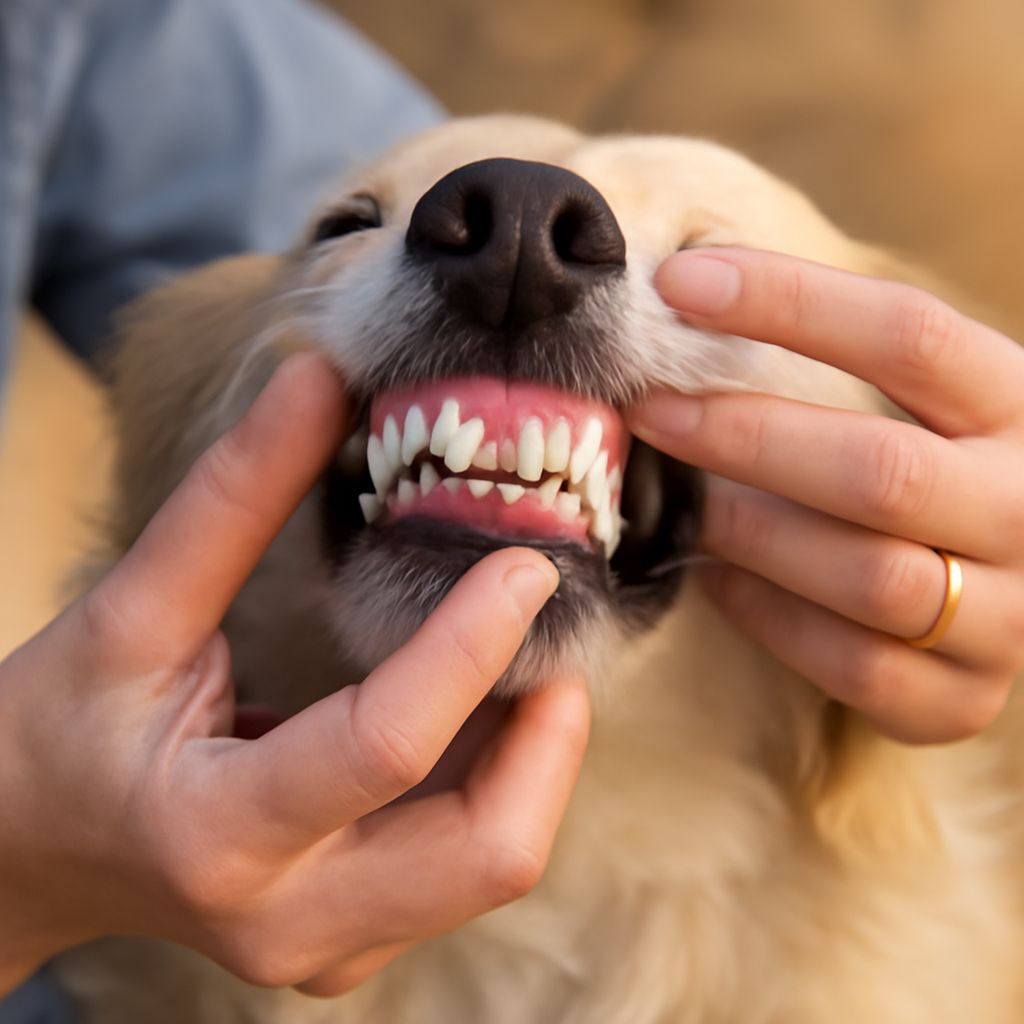
Start without any brush at all. For three to five days, simply lift the lips and touch the teeth and gums with your finger for thirty seconds, then reward with a small treat. After the dog accepts this calmly, introduce the dog tooth brush with a small amount of toothpaste or coconut oil. Let the dog sniff and lick it before bringing it to the mouth. Keep initial sessions under one minute and end before the dog becomes impatient. Gradual introduction over one to two weeks produces a dog that tolerates brushing far better than one that was forced into it on day one.
The Right Brushing Motion and Frequency
Hold the brush at a 45-degree angle to the gumline and use small, circular motions. Focus on the outer surfaces of the teeth, which accumulate the most plaque. The tongue naturally cleans inner surfaces to some degree, so the outer side is the priority. Spend about thirty seconds per side. Brushing every day is the gold standard, but three times per week produces meaningful plaque reduction compared to no brushing at all.
Using Coconut Oil When Brushing Dog Teeth
Coconut oil contains lauric acid, which has documented antibacterial properties against several oral bacteria found in dogs. Applying a small amount to a dog finger toothbrush or standard brush works as a carrier that makes the brushing motion pleasant for most dogs due to the mild flavor. Use refined or unrefined food-grade coconut oil and apply only a pea-sized amount per session to avoid adding unnecessary fat to the diet. Dogs that eat two or three coconut oil tooth-brushing sessions per day could consume enough fat to contribute to gastrointestinal upset or weight gain. Coconut oil is not a replacement for enzymatic dog toothpaste for dogs with active dental disease, but for healthy mouths in maintenance mode, it is a practical, safe alternative. Bottom line: pick the right size brush, introduce it slowly, and use either dog toothpaste or coconut oil consistently to keep your dog’s mouth healthy long-term.