When it comes to canine anatomy, one often overlooked aspect is the third eyelid, or nictitating membrane. Many dog owners are unfamiliar with this feature, leading to unnecessary concern when it becomes visible. Understanding the third eyelid dog owners may notice occasionally is vital in comprehending its role in canine health. Moreover, learning about this unique nictitating membrane dog feature can empower pet owners to better care for their furry friends.
Awareness of third eyelid dog issues is crucial for ensuring your pet’s well-being. Alongside understanding this anatomical feature, it’s equally important to provide your canine companion with the right living comforts, such as selecting appropriate dog bed sizes that promote overall health and comfort.
What is the Dog Third Eyelid?
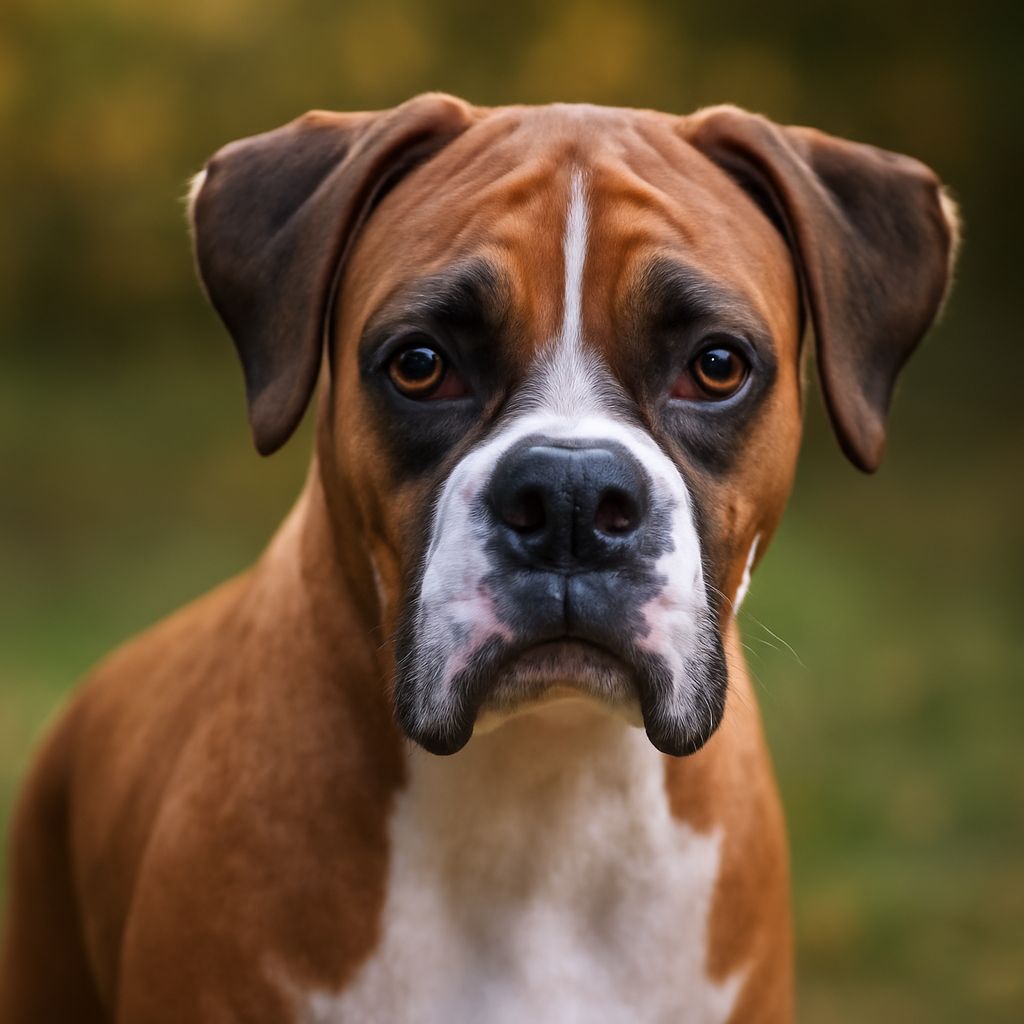
The third eyelid, also known as the nictitating membrane, is a thin, protective layer that rests under the lower eyelid. Unlike human eyelids, which open and close from top to bottom, this membrane moves horizontally across the eye. In dogs, the third eyelid serves as an additional layer of defense against debris, foreign substances, and injuries.
This membrane also retains moisture on the eye’s surface, ensuring that your dog’s vision remains clear and undistorted. While the nictitating membrane is generally not visible, it may become more apparent due to irritation or illness, sometimes causing concern for pet owners.
Why Does the Third Eyelid Dog Feature Matter?
The significance of the third eyelid dog feature extends beyond basic protection. This anatomical structure plays a vital role in maintaining ocular health by distributing tears across the eye, which lubricates the surface and removes debris. The presence of the nictitating membrane dog owners observe can also help in diagnosing underlying health issues, as changes in its appearance might signal infections or other eye conditions.
Understanding the function and importance of this membrane can help dog owners monitor their pets more effectively. Observing any abnormalities in the third eyelid, such as swelling or redness, should prompt a consultation with a veterinarian to rule out potential health concerns.
How to Care for Your Dog’s Nictitating Membrane
Caring for the nictitating membrane involves maintaining overall eye health and hygiene. Regularly checking your dog’s eyes for signs of irritation, discharge, or changes in the third eyelid’s appearance is essential. When addressing eye health, it is important to avoid using human eye products on dogs, as these can exacerbate the issue.
In the event of persistent or severe problems with the third eyelid, professional veterinary advice should be sought. Veterinary intervention is particularly necessary for cases involving complex eye conditions or significant discomfort that may require specialized treatment or surgical procedures.
Choosing the Right Dog Bed Sizes for Comfort and Health
While understanding the third eyelid’s function is important, ensuring your dog’s overall comfort is equally crucial. Selecting the appropriate dog bed sizes can significantly enhance your pet’s quality of life. A well-fitted bed supports your dog’s joints, particularly crucial for breeds prone to joint issues or older dogs.
When choosing a bed, consider your dog’s size, sleeping habits, and any health considerations such as arthritis or hip dysplasia. A bed that accommodates your dog’s resting position and provides adequate support will help prevent discomfort and promote restful sleep, contributing to overall health and happiness.
Bottom line: Understanding the role and importance of the third eyelid in dogs is essential for comprehensive pet care. By recognizing this feature and ensuring a comfortable living environment with the right dog bed sizes, pet owners can significantly enhance their dog’s health and well-being. Always seek veterinary guidance when dealing with complex eye conditions or if significant changes in your dog’s third eyelid are observed.