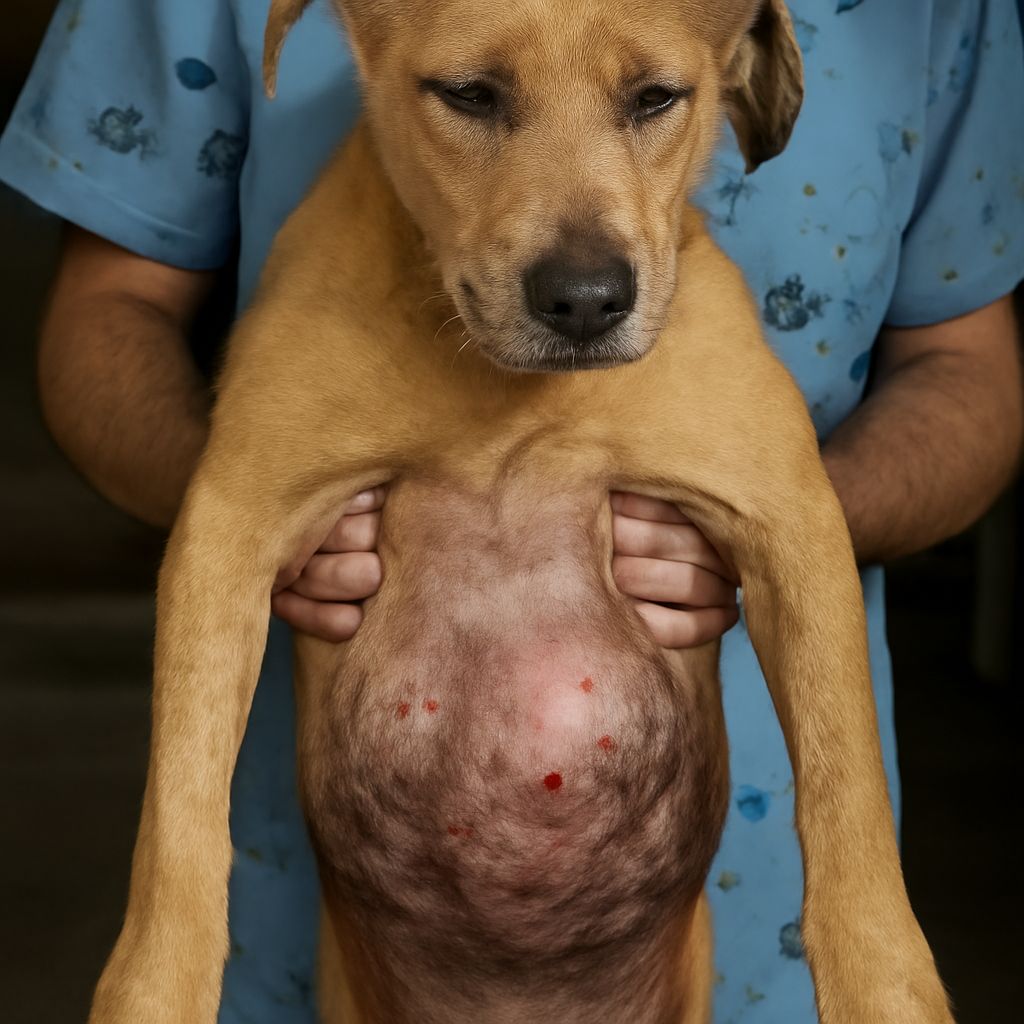
When it comes to caring for dogs, myths abound. Some believe that young dogs do not face health challenges, while others think elderly dogs are destined for discomfort. However, understanding the nuances of canine health at different ages is crucial to ensuring their well-being. From managing the energy levels of a 1 year old dog to the delicate needs of a 16 year old dog, pet owners must be equipped with the right knowledge.
Addressing the health issues that a 1 year old dog may experience is vastly different from those of a 16 year old dog. For instance, an old dog panting and pacing at night might signal underlying health problems, whereas a younger dog may exhibit similar behavior due to different causes. Moreover, knowing how to find a lost dog at night is essential for any pet owner, regardless of the dog’s age.
What Are Common Health Concerns for a 1 Year Old Dog?
At one year of age, dogs are typically transitioning from puppyhood to adulthood. It’s a time when they are full of energy and curiosity, potentially leading to accidents and injuries. Regular check-ups are crucial to catch any developmental issues early. Vaccinations and nutritional needs should be prioritized, as a 1 year old dog requires a balanced diet to support their growth.
In addition to physical health, behavioral health is significant. A 1 year old can develop anxiety if not properly socialized, which may lead to stress-induced behaviors. Understanding these needs can prevent the onset of health problems related to stress.
How Do Health Needs Differ for a 16 Year Old Dog?
The health requirements of a 16 year old dog are markedly different. At this stage, dogs are considered senior and often face age-related issues such as arthritis, vision impairment, and hearing loss. Regular veterinary visits are essential to monitor these conditions and adjust care plans accordingly.
Diet must be tailored to manage their slower metabolism and potential chronic conditions. Supplements might be necessary to maintain joint health and overall vitality. An older dog will have unique needs that require attentive care and often more frequent monitoring.
Why Might an Old Drum Dog Have Unique Health Needs?
The term “old drum dog” refers to a dog reaching the twilight years with a specific set of health challenges. These dogs often have conditions that require vigilant management, such as cognitive dysfunction syndrome or heart disease. Regular assessments by a vet can help manage these issues effectively.
Special attention to their environment can improve their quality of life significantly. For example, accessible sleeping areas and limited physical barriers can reduce accidents and support their mobility. Consulting with a professional for modifications may be necessary if complex changes are required.
How to Find a Lost Dog at Night Safely
Losing a dog can be distressing, especially at night. Safety measures can be taken to locate a lost dog effectively. Start by searching familiar areas and calling out their name calmly. Using a flashlight can help spot them in dark places, while alerting local shelters and using social media can increase the chances of a safe return.
For both 1 year old and 16 year old dogs, wearing ID tags and microchipping are practical steps to ensure their safe recovery if lost. These identifiers are invaluable in helping others assist in the search.
What Causes an Old Dog to Pant and Pace at Night?
Panting and pacing at night in older dogs can be symptomatic of discomfort or anxiety. Possible causes include pain from arthritis, cognitive dysfunction, or respiratory issues. Consulting a veterinarian is crucial to diagnose and address these symptoms properly.
Managing their environment to reduce stress and provide comfort can help alleviate these behaviors. Soft bedding and maintaining a consistent routine are beneficial strategies. In cases of severe health issues, professional advice should be sought to ensure the dog receives appropriate care and treatment.