Dog Ate Raw Chicken, Dog Paw Pads, Vulvoplasty, and XXL Dog Doors Explained
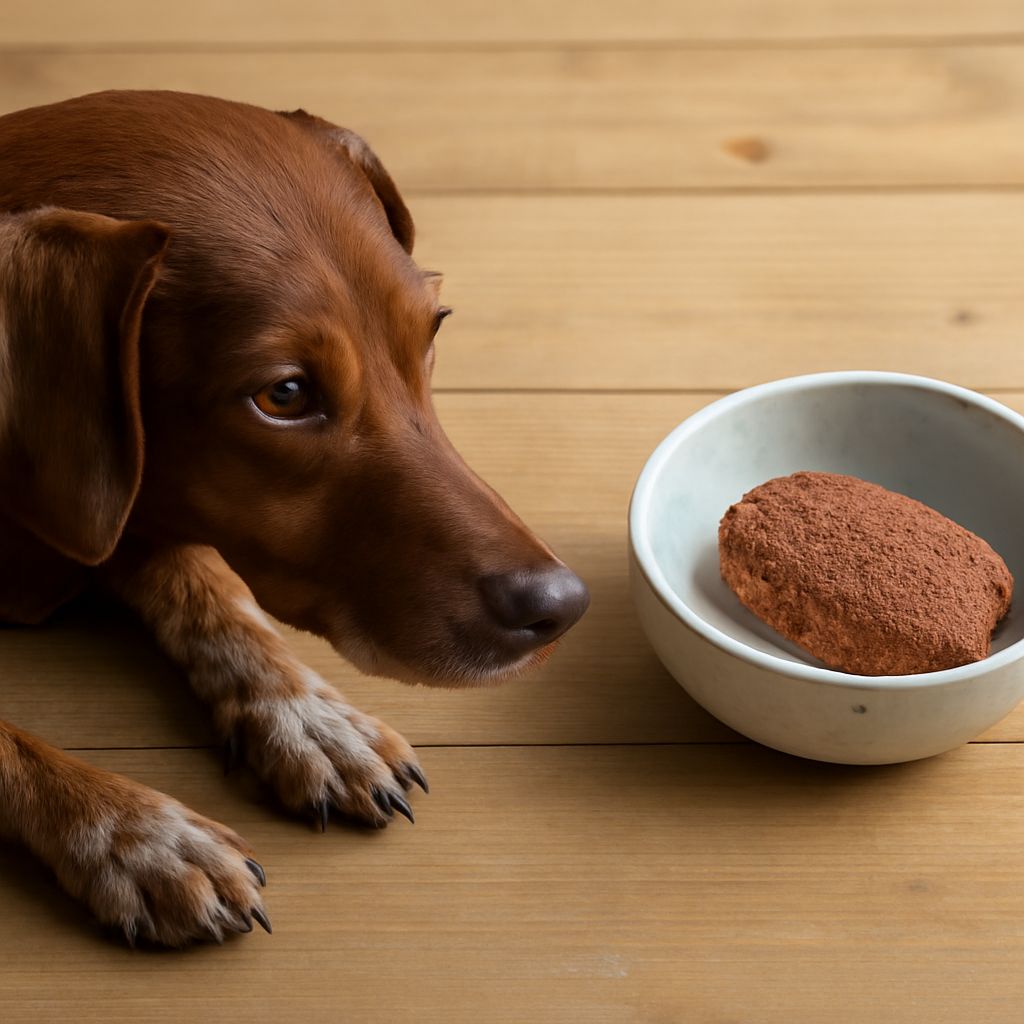
A dog ate raw chicken is one of the most common emergency-search moments for new owners, often triggered by a kitchen accident or deliberate raw feeding attempt. Whether this is genuinely dangerous depends heavily on how much was consumed, whether bones were involved, and the dog’s current health status. The short answer is that a small amount of boneless raw chicken rarely causes serious harm — but the longer answer involves several important nuances.
Separately, dog bus confusion (searching whether dogs can ride public transport), questions about vulvoplasty dog procedures, how to care for dog paw pads, and sizing considerations for an xxl dog door all represent practical topics that come up at different stages of dog ownership. Each deserves clear, accurate information rather than conflicting forum opinions.
Dog Ate Raw Chicken: Risks and What to Watch For
Salmonella and Bacterial Concerns
Dogs have shorter, more acidic digestive tracts than humans, which makes them more resistant to bacterial contamination from uncooked poultry. Most healthy adult dogs that consume small amounts of raw chicken meat experience no symptoms. However, dogs with compromised immune systems, puppies, and senior dogs face higher risk of Salmonella or Campylobacter illness.
Symptoms to monitor include vomiting, diarrhea (especially bloody), lethargy, and loss of appetite appearing 12 to 48 hours after ingestion of uncooked poultry. Most cases resolve within 24 hours without intervention. Persistent symptoms, blood in stool, or severe lethargy warrant a veterinary call.
Bones and Physical Hazards
Raw bones from chicken are softer than cooked bones and less likely to splinter into sharp fragments, but they still pose choking and obstruction risks when swallowed whole or in large pieces. Cooked chicken bones, by contrast, become brittle and should never be given to dogs. If your dog swallowed a raw bone piece, monitor for retching, pawing at the mouth, or signs of abdominal pain over the following 24 hours.
Dog Paw Pad Care: Protection and Common Problems
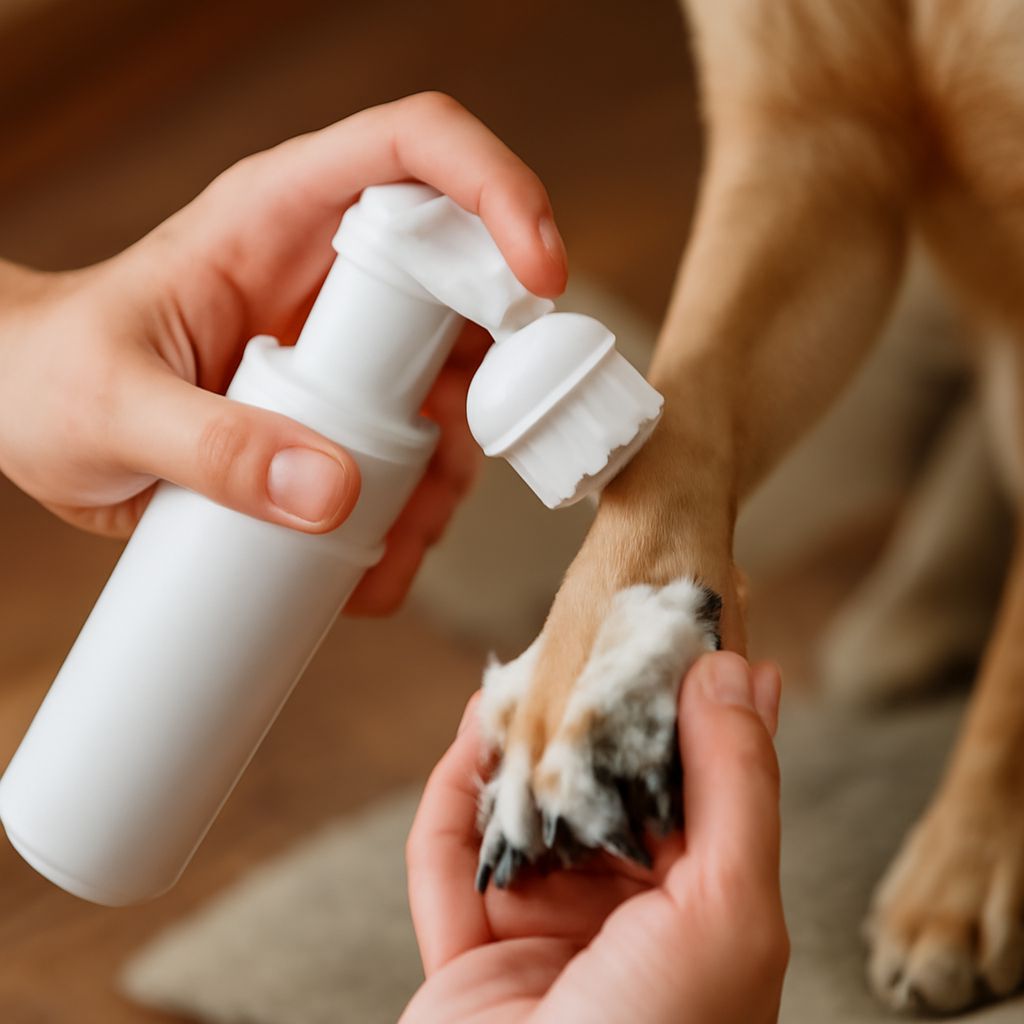
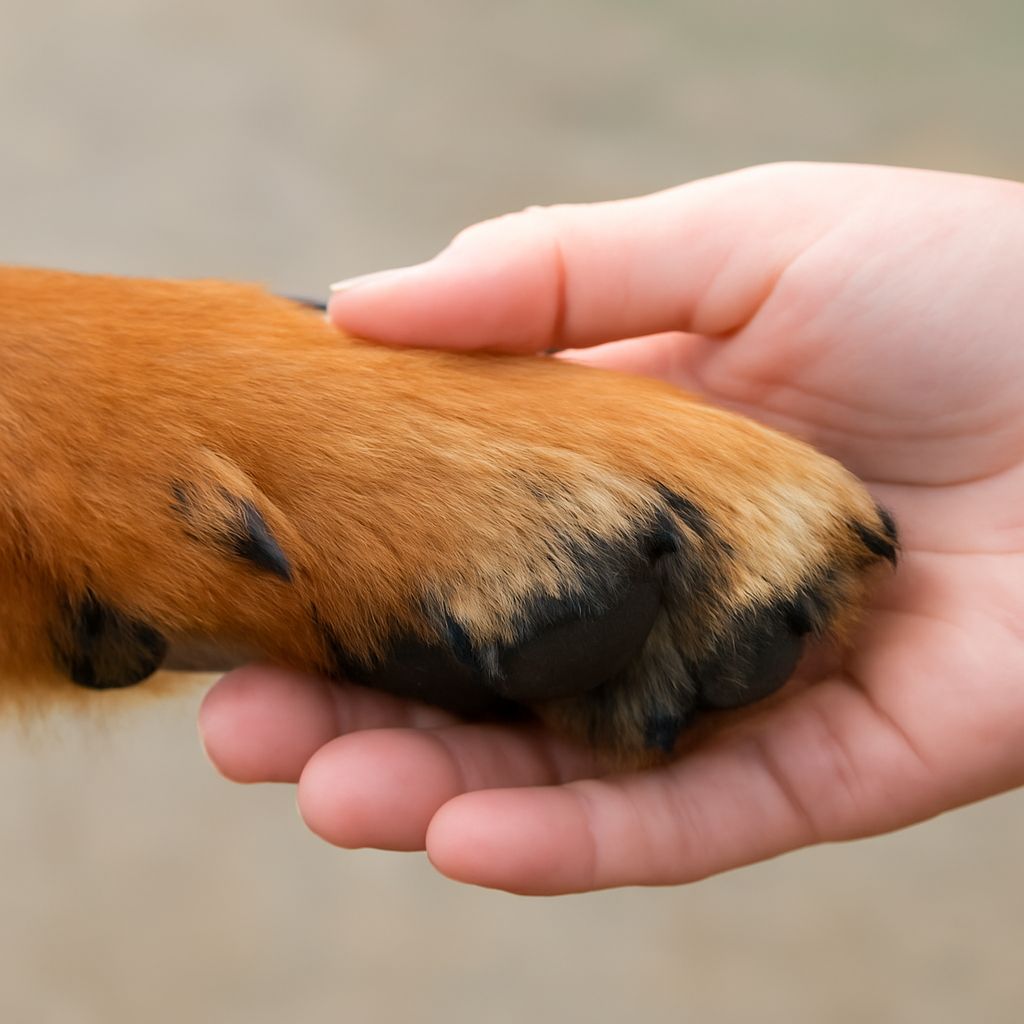
Paw pads are thick, fatty tissue structures that provide cushioning, traction, and thermal insulation. They are durable but not indestructible. Common issues include cracking from dry air or harsh surfaces, burning from hot pavement, chemical irritation from road salts, and abrasion injuries from rough terrain.
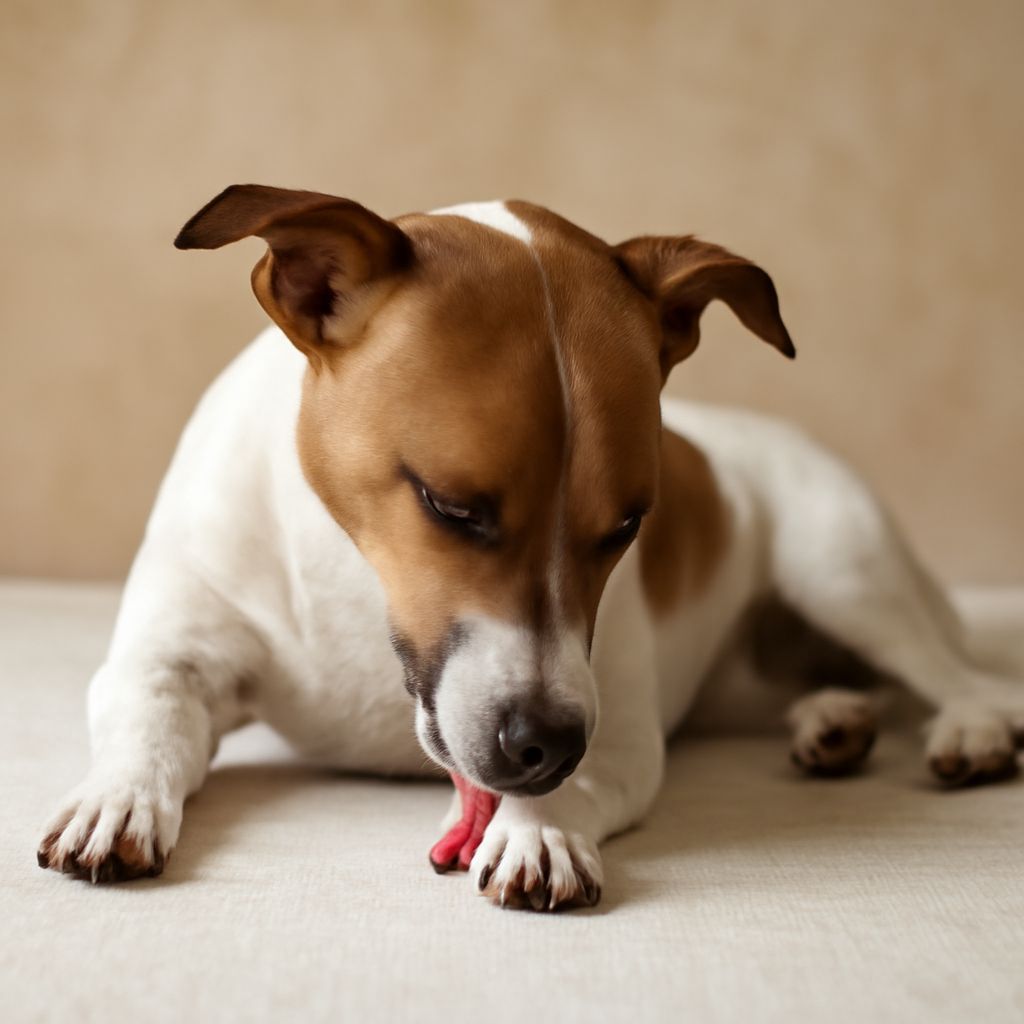
Regular inspection after outdoor activity catches problems early. Moisturizing paw pads with a dog-specific balm prevents cracking, particularly during winter and summer extremes. Avoid petroleum-based products, as dogs lick their pads and can ingest these substances. A dog that repeatedly licks or chews its paw pads may be experiencing contact allergy or interdigital infection requiring veterinary diagnosis.
Vulvoplasty in Dogs: When and Why It Is Performed
Vulvoplasty is a surgical procedure performed to correct a recessed or hypoplastic vulva in female dogs — a conformational issue where the vulva is tucked beneath a skin fold, creating a chronic moist environment that promotes recurrent urinary tract infections and skin fold dermatitis.
The procedure involves removing a small crescent of skin around the vulva to evert and expose it appropriately. It is most commonly recommended after conservative management fails to prevent recurring infections. Recovery is typically two to three weeks with minimal complications. Spaying at the time of vulvoplasty is often recommended to prevent hormonal influence on tissue healing.
XXL Dog Doors: Sizing and Installation Basics
An oversized flap entry for large dogs must be sized to allow the dog to pass through comfortably without ducking or turning sideways. A general rule is that the door opening should be at least 2 inches taller than the dog’s shoulder height and wide enough to accommodate the broadest point of the dog’s body.
For large breed dogs over 70 pounds, this typically means an opening of 10 by 15 inches minimum, with XL and XXL models providing openings up to 12 by 23 inches. Installation options include wall-mount, door-mount, and sliding glass door inserts. Wall-mount versions require structural framing and are more weatherproof; sliding door inserts are easier to install but less energy-efficient.
Key takeaways: A dog that ate raw chicken should be monitored for digestive symptoms but rarely requires emergency intervention unless bones were involved. Paw pad care and vulvoplasty management are both veterinary-guided decisions when symptoms persist. Sizing an xxl dog door correctly prevents posture strain and ensures the dog uses it willingly.