Fish for Pets: Choosing the Best Freshwater Species for Your Home
Many people assume that fish for pets are low-effort animals that simply swim around and require little attention. That’s a myth worth correcting. Good pet fish need stable water chemistry, appropriate tank mates, and consistent feeding schedules. The idea that any bowl with water will do sets new owners up for disappointment and, more importantly, sets the fish up for a shortened life.
The truth is that the best fish to have as pets thrive when owners invest a little time in learning their needs. Cool freshwater pets like bettas, tetras, and corydoras can live for years in a well-maintained tank. Freshwater pets are also forgiving for beginners compared to saltwater species, making them a smart starting point for anyone new to aquariums.
What Makes a Fish a Good Choice for Beginners?
Not every species suits every household. When evaluating good pet fish candidates, consider hardiness, compatibility, and ease of feeding. A fish that tolerates minor water fluctuations and accepts commercial flake food is much easier to keep healthy than a picky species that demands live prey and precise pH levels.
Some of the most reliable freshwater pets for new aquarists include:
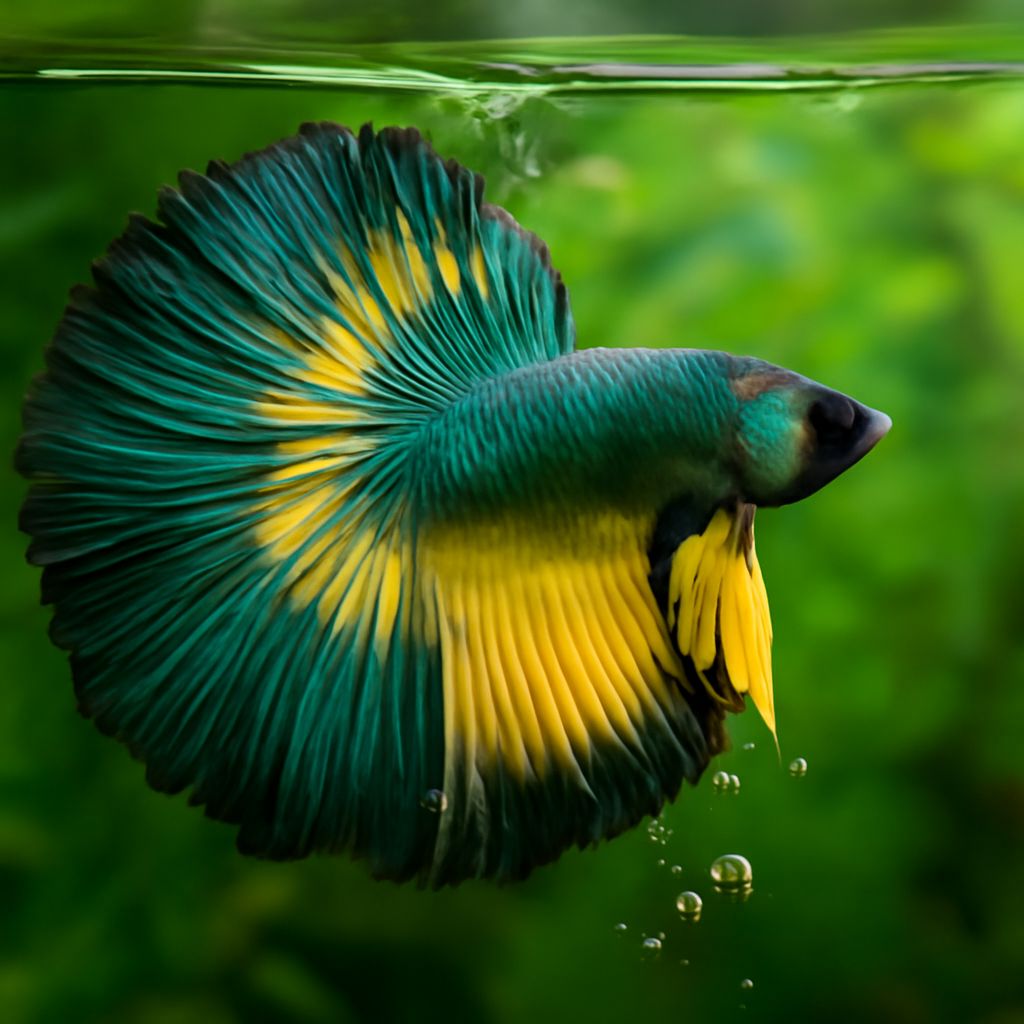
- Betta fish — colorful, hardy, and manageable in smaller tanks, though they need to be kept alone or with peaceful, non-nippy companions
- Neon tetras — schooling fish that look striking in groups and adapt well to community setups
- Corydoras catfish — bottom dwellers that help clean the substrate and coexist peacefully with most species
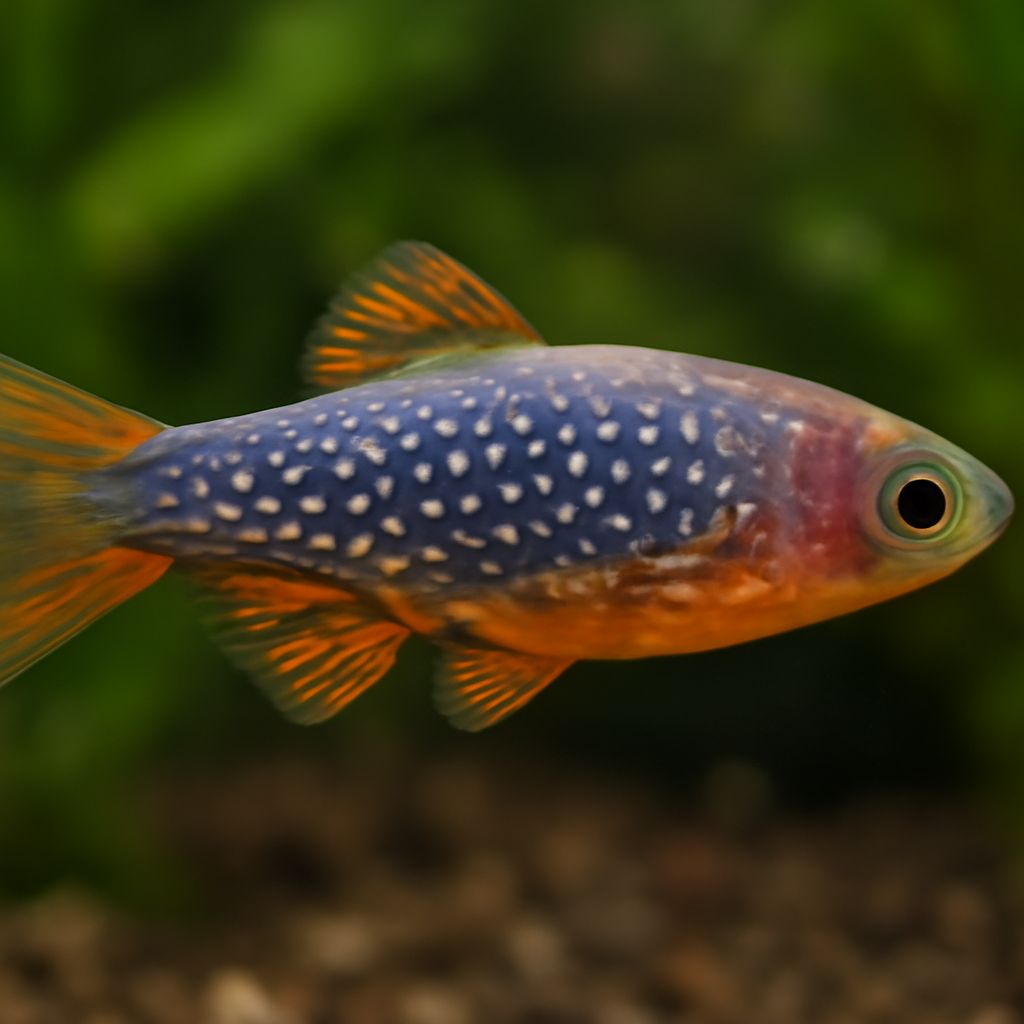
- Guppies — easy breeders that tolerate a range of water conditions and come in a huge variety of colors
- Platies — sociable, undemanding fish that work well in mixed-species tanks
Each of these species qualifies as a cool freshwater pet for different reasons. Bettas impress with their finnage. Tetras add movement and color. Corydoras bring utility. When selecting fish for pets, matching the species to your tank size and experience level matters more than choosing the flashiest option.
Tank Setup and Water Quality Basics
The most common reason freshwater pets decline in health comes down to water quality, not disease. Ammonia buildup from waste and overfeeding is the leading cause of stress and death in home aquariums. Cycling a tank before adding fish establishes beneficial bacteria that convert toxic ammonia into less harmful compounds.
Essential Equipment
A reliable filter rated for your tank size, a heater for tropical species, and a thermometer are the core items. Most good pet fish from tropical climates need water kept between 74 and 80 degrees Fahrenheit. A basic liquid test kit lets you monitor ammonia, nitrite, nitrate, and pH so you can catch problems before they become serious.
Stocking Density
Overcrowding is another common mistake. A general guideline for freshwater pets is one inch of adult fish per gallon of water, though this rule oversimplifies things. A single large fish produces far more waste than several small ones of the same combined length. Research adult sizes before purchasing, and leave room for growth.
Feeding and Routine Maintenance
The best fish to have as pets in terms of daily care are those that accept a varied diet of commercial foods. Feed small amounts once or twice daily — only what the fish can consume in two to three minutes. Uneaten food decomposes and spikes ammonia levels. Performing a 25% water change weekly removes accumulated nitrates and keeps the tank stable for your fish pets long-term.
Key takeaways: Fish for pets are rewarding but require consistent water management. Choosing hardy freshwater pets and maintaining proper tank conditions gives your fish the best chance at a long, healthy life. Start with forgiving species, cycle your tank fully before stocking, and test water regularly.