Why Does My Dog Pant So Much? Common Causes and When to Act
Panting is how dogs regulate body temperature, so some level of it is completely normal. The question “why does my dog pant so much” only becomes urgent when panting occurs outside of heat, exercise, or excitement. Dog panting at rest is often the first sign owners notice, and it deserves attention. Dog panting anxiety is one of the most common non-heat causes in companion dogs. A heavy panting dog that is also trembling, restless, or showing other distress signals needs a veterinary evaluation, not just reassurance.
Dog panting hard during or after physical activity is expected and resolves within minutes once the dog rests in a cool space. The concern is panting that continues for extended periods without a clear trigger. Dog panting anxiety can mirror the appearance of heat-related panting, which is why reading the full picture — posture, environment, recent events — matters when assessing the cause.
Heat, Exercise, and Normal Panting
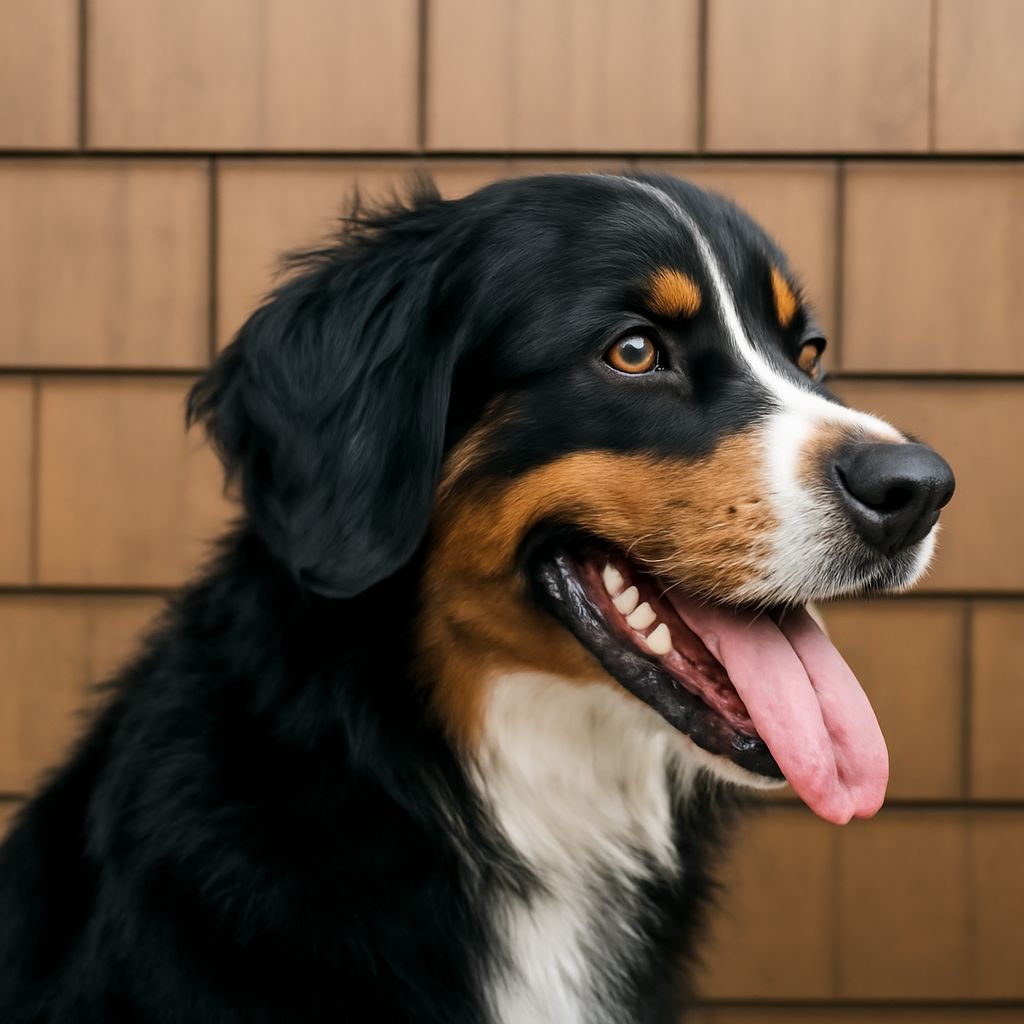
Dogs do not sweat through their skin the way humans do. Panting moves air over the moist surfaces of the tongue and airway, releasing heat through evaporation. A dog panting hard after a run on a warm day is doing exactly what its body is designed to do. The behavior stops once the dog cools down, drinks water, and rests. This type of panting is short-lived and does not involve other symptoms.
Anxiety as a Driver of Excessive Panting
Dog panting anxiety is common in dogs exposed to loud noises, unfamiliar environments, separation from their owners, or visits to the vet. The stress response triggers the same physiological changes as physical exertion — elevated heart rate, faster breathing, and panting. Dogs experiencing anxiety-driven panting often also pace, yawn excessively, or seek close contact with their owners.
Managing anxiety panting starts with identifying the trigger. For situational anxiety, desensitization training gradually reduces the dog’s stress response. For generalized or severe anxiety, a veterinarian can recommend behavioral interventions or, in some cases, medication.
Pain and Medical Causes of Panting at Rest
Dog panting at rest without an obvious environmental or emotional trigger is a red flag. Pain — from arthritis, injury, or internal conditions — causes dogs to pant as a stress response. Cushing’s disease, heart problems, and respiratory issues also present with a heavy panting dog that seems uncomfortable or fatigued. Brachycephalic breeds like bulldogs and pugs pant more than other breeds due to their anatomy, but sudden increases in panting frequency are still worth investigating in these dogs.
When to See a Veterinarian
Contact a veterinarian if panting occurs at rest without a clear trigger, if dog panting hard does not resolve within 10 minutes of rest and cooling, or if panting is accompanied by pale or blue-tinged gums, collapse, or obvious distress. These signs point to conditions that need immediate attention — heat stroke, respiratory failure, or cardiovascular issues can all present with severe panting.
A vet will assess the dog’s overall health, check for pain responses, and run diagnostics if needed. Do not delay this visit based on the hope that panting will stop on its own when other symptoms are present.
Key takeaways: A dog panting so much that it happens at rest or without obvious cause warrants a vet visit. Dog panting at rest, dog panting anxiety, and heavy panting in older dogs are all worth evaluating professionally. Most causes are manageable once identified — early action leads to better outcomes.