Types of Lizard Pets: A Practical Guide to Species That Actually Thrive in Captivity
There are far more types of lizard pets available today than most beginners realize, and the wide selection causes a common mistake: choosing a lizard based on appearance rather than care requirements. Cool lizard pets like chameleons and monitor lizards look impressive but demand specialized husbandry that inexperienced keepers often cannot provide. Starting with the wrong species leads to poor animal welfare and frustration.
The variety of types of lizards as pets now spans dozens of species bred in captivity, each with distinct temperature, humidity, diet, and space needs. Some pet lizard species are hardy, adaptable, and genuinely suited to home environments. Others are delicate, territorial, or carry specific needs that only dedicated keepers can consistently meet. Understanding these differences before purchasing protects both the owner and the animal.
Best Beginner Lizard Species for New Keepers
Bearded dragons top most expert lists for first-time lizard owners. They tolerate handling well, eat a mixed diet of insects and leafy greens, and communicate distress clearly through color and posture. Captive-bred specimens are widely available, which supports ethical sourcing and typically produces healthier animals than wild-caught individuals.
Leopard Geckos
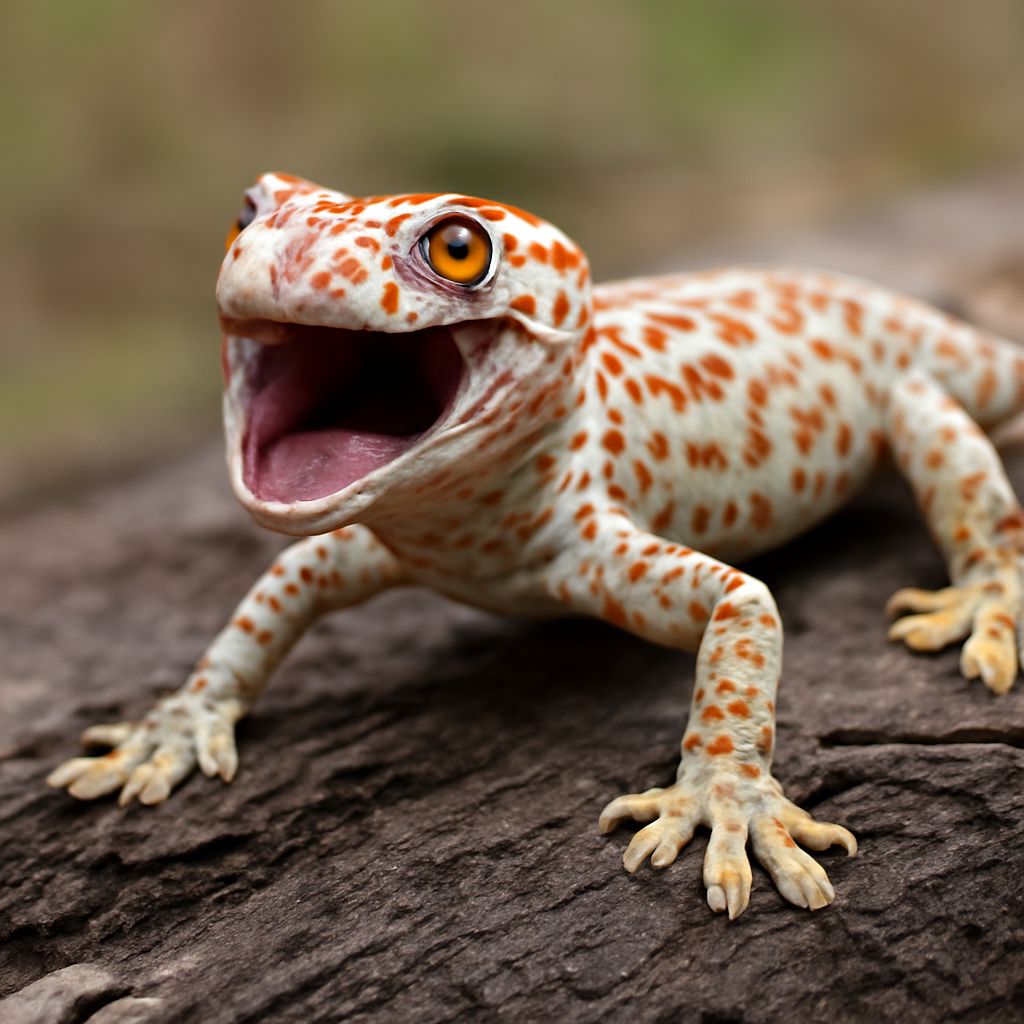
Leopard geckos are among the most manageable pet lizard species for small living spaces. They are nocturnal, quiet, and require only a modest enclosure. Temperature gradients are straightforward to maintain, and they eat commercially available crickets and mealworms. Long-lived and relatively hardy, they suit owners who want low daily time commitment.
Blue-Tongued Skinks
Blue-tongued skinks are calm, slow-moving lizards that become quite comfortable with regular handling. They eat a varied omnivore diet including fruits, vegetables, and protein. Their size, typically 18 to 24 inches at adult weight, means they need a larger enclosure than a gecko but are still manageable for most home setups.
Crested Geckos
Crested geckos do well at room temperature, which removes the need for heat lamps in most climates. They eat commercially prepared fruit-based diets alongside live insects. These are among the cooler types of lizards as pets for those who want an arboreal species without complex heating setups.
Lizard Species That Require Expert Care
Some of the most visually striking pet lizards species are not appropriate for beginners. Veiled chameleons need precise humidity levels, drip watering systems, and UVB lighting on strict schedules. Iguanas grow large quickly and can become aggressive adults without consistent socialization from a young age.
Monitor lizards, often considered cool lizard pets by enthusiasts, require enclosures measured in feet, not inches, and diets of whole prey items. Their care is time-consuming and physically demanding. Before acquiring any species beyond the beginner tier, consult a reptile veterinarian and experienced keeper communities to understand the full scope of what is required.
Bottom Line
The right types of lizard pets for most owners are captive-bred, handleable, and well-documented in terms of care needs. Start with established beginner species, build experience, and expand to more demanding pet lizard species only when your husbandry skills are genuinely solid.