How to Get My Dog to Eat: Practical Tips When Your Dog Refuses Food
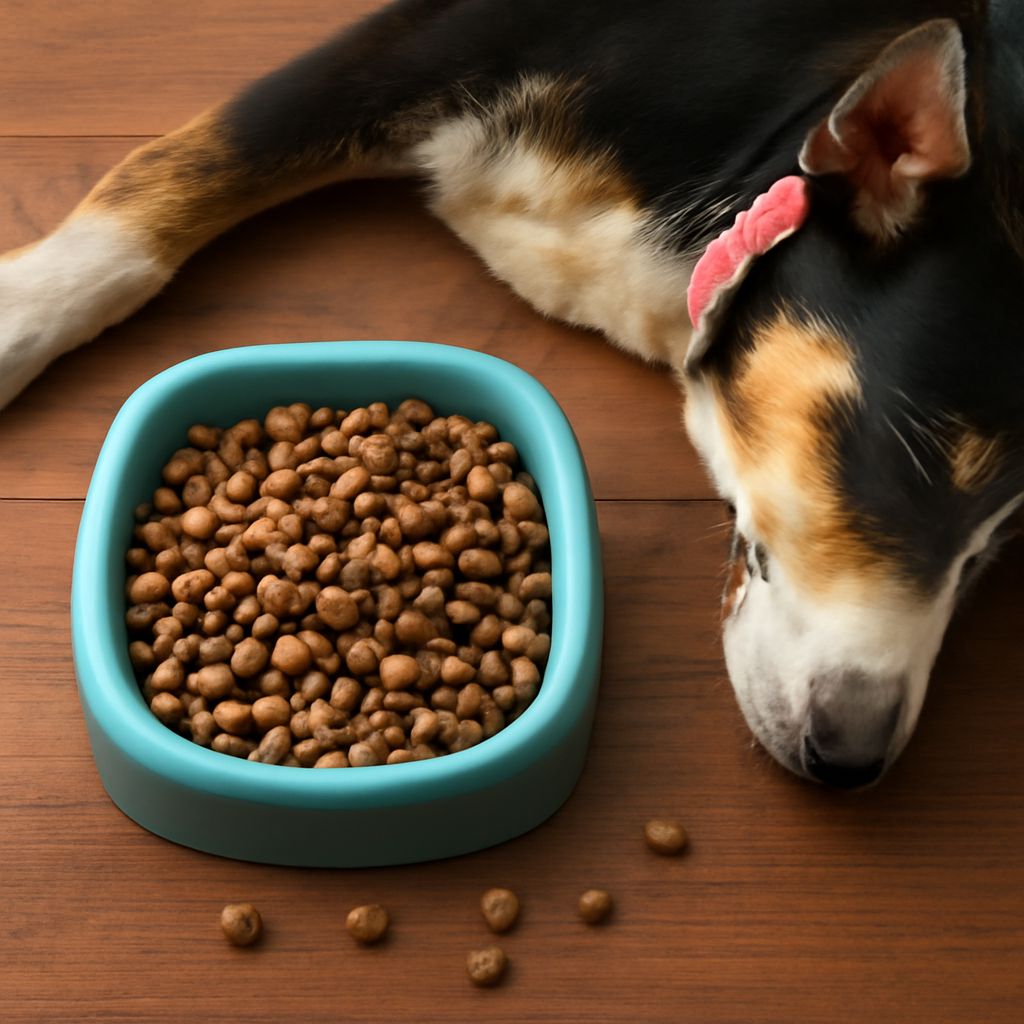
Figuring out how to get my dog to eat is one of the more stressful experiences of dog ownership, especially when it happens without warning. The first myth to dispel: a dog skipping one meal is almost never a crisis. Dogs are opportunistic eaters, and many will hold out if they sense an owner’s anxiety or expect something better to appear. My dog won’t eat his food often has a behavioral explanation, not a medical one, especially in otherwise healthy animals.
That said, a dog refusing food for more than 24 hours, or showing other symptoms, warrants a veterinary call. Understanding how to get your dog to eat starts with identifying whether the refusal is preference-based or health-based. How can i get my dog to eat when nothing seems to work often comes down to removing the habits that inadvertently rewarded selective eating in the first place. Knowing how to make a dog eat safely requires patience and consistency, not tricks.
Common Reasons Dogs Refuse Food
Behavioral Causes
Free-feeding, frequent food switching, and hand-feeding train dogs to expect choice rather than accept routine. A dog that has been given table scraps regularly will often refuse their regular kibble in anticipation of something tastier. The fix is reestablishing a structured meal schedule: put the food down, leave it for 20 minutes, then remove it. Most healthy dogs eat within three to five days of this approach.
Environmental Stress
Changes in household routine, a new pet, construction noise, or travel can cause temporary appetite loss. Dogs are sensitive to environmental shifts, and stress suppresses appetite much as it does in humans. Identify and address the stressor where possible. Feeding in a quiet, consistent location helps dogs feel secure enough to eat.
Medical Causes
Dental pain, gastrointestinal upset, nausea, and systemic illness all reduce appetite. If your dog shows reluctance to chew, drops food while eating, or shows interest in food but walks away after sniffing it, a dental or oral issue may be the cause. Any dog that has not eaten for more than 48 hours, or shows lethargy, vomiting, or other symptoms alongside food refusal, should be examined by a veterinarian promptly.
Practical Strategies to Encourage Eating
Warming food slightly, to around body temperature, increases aroma and makes it more appealing to dogs with reduced appetite. Add a tablespoon of low-sodium broth, plain cooked chicken, or a small amount of wet food to the regular meal. These additions encourage eating without permanently altering the diet. Use them temporarily while identifying the root cause.
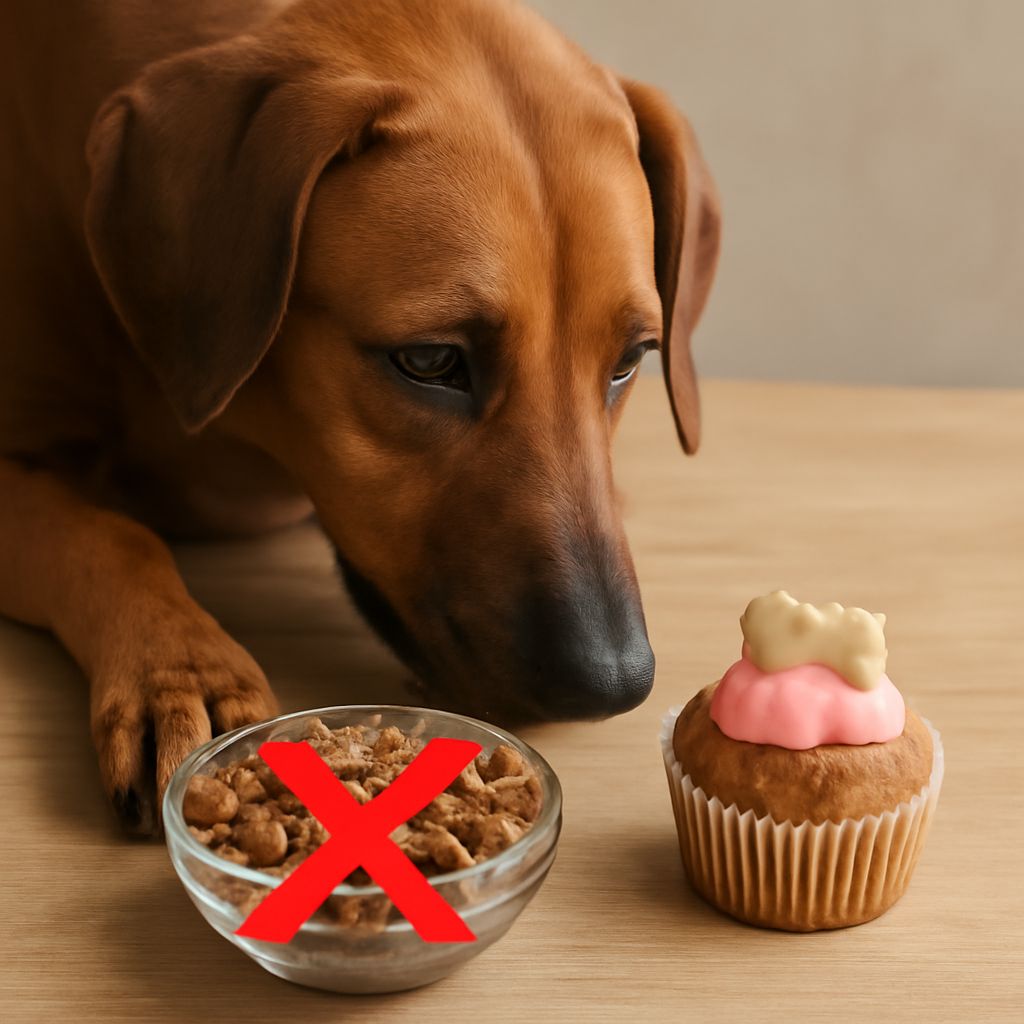
Avoid giving treats while a dog is refusing meals. Treats eaten during food refusal confirm that holding out produces results. Stick to scheduled meal times and remove uneaten food between meals to build hunger. Most dogs with a behavioral refusal eat within three days of a firm meal schedule. If yours does not, rule out medical causes before continuing behavior modification.
When to See a Vet
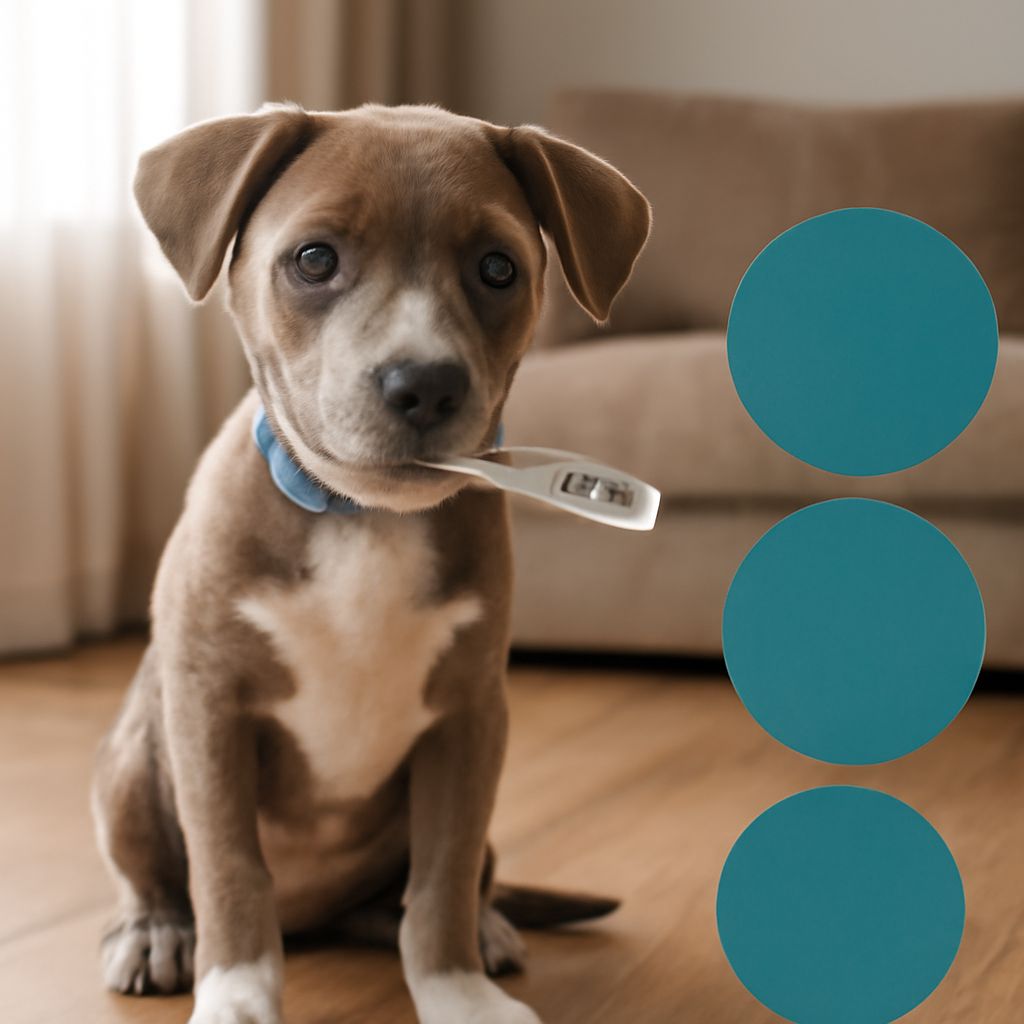
Puppies, senior dogs, and dogs with known health conditions have less tolerance for food refusal than healthy adults. A puppy that skips two meals needs a veterinary check sooner than an adult dog in otherwise good health. Weight loss accompanying refusal is always a reason to seek professional input. Your vet can run bloodwork, check for dental issues, and recommend appetite stimulants if appropriate. Do not attempt to administer appetite-stimulating medications without veterinary guidance.