My Dog Is Constantly Scratching and Biting Himself: Causes and Real Solutions
If my dog is constantly scratching and biting himself, the reflex is to check for fleas, find nothing obvious, and move on. That is usually a mistake. Most chronic scratching in dogs comes from one of a handful of causes, and fleas are only one of them. Persistent self-directed chewing signals something ongoing, not a one-time irritant.
People often assume why does my dog keep scratching has a simple answer. It rarely does. Dog biting skin repeatedly, especially at paws, flanks, and the base of the tail, points toward allergies, a skin condition, or a behavioral loop that has developed over time. Dog chewing himself raw is a medical problem that needs a real diagnosis, and knowing how to get my dog to stop chewing on himself starts with identifying the trigger.
Common Causes of Relentless Scratching and Chewing
Environmental and Food Allergies
Allergies are the leading cause of a dog that keeps scratching. Environmental allergens like pollen, mold, and dust mites cause a condition called atopic dermatitis. The dog’s immune system overreacts, and the result is inflammation in the skin that produces intense itch. Food allergies cause a similar pattern, often focused on the paws, ears, and belly. Unlike a food intolerance, a true food allergy triggers a skin response that can be severe and year-round.
Identifying the specific allergen requires a food elimination trial or allergy testing through a veterinary dermatologist. Random diet changes rarely resolve the problem on their own.
Parasites
Fleas are the classic culprit, but a dog that chews at its skin constantly may have a flea allergy rather than a current infestation. A single flea bite triggers a strong histamine reaction in sensitive dogs, and the chewing continues long after the flea is gone. Sarcoptic mange, caused by mites, produces intense itch and is highly contagious. Demodex mites cause a different presentation, usually patchy hair loss without much scratching, but they can complicate skin health overall.
Yeast and Bacterial Skin Infections
Secondary infections often develop after the scratching starts. A dog that bites at inflamed skin introduces bacteria, and a warm, moist environment grows yeast. You may notice a musty or corn-chip smell, greasy or thickened skin, or dark discoloration in affected areas. These infections require targeted treatment, either topical or systemic, depending on severity. They will not resolve on their own while the underlying itch remains.
How to Stop the Chewing Cycle
Veterinary Diagnosis First
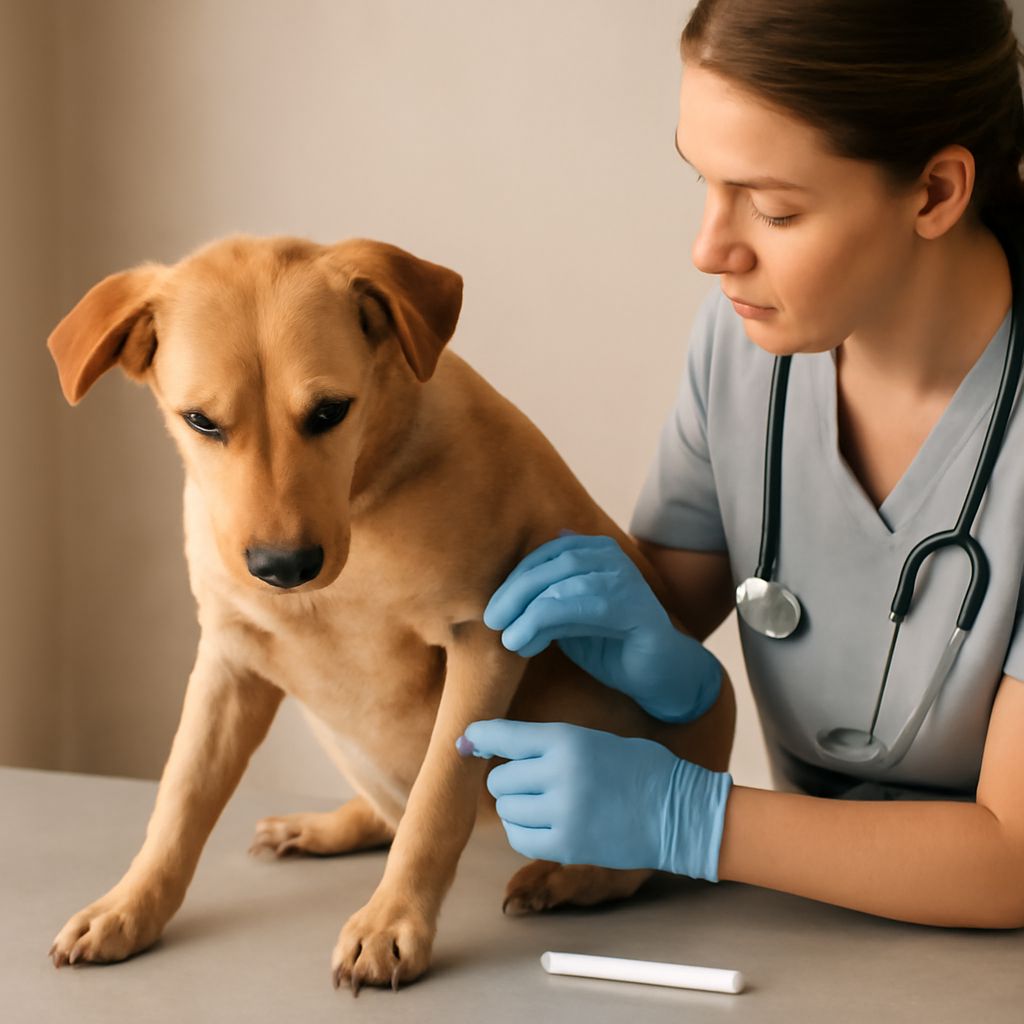
Stopping a dog from chewing on itself without addressing the cause only works temporarily. An Elizabethan collar prevents physical damage while you wait for test results, but it is not a solution. Your vet may recommend a short course of anti-itch medication, a prescription diet trial, skin scraping, or referral to a dermatologist. Starting there saves time and money compared to trying multiple over-the-counter products.
Environmental Management
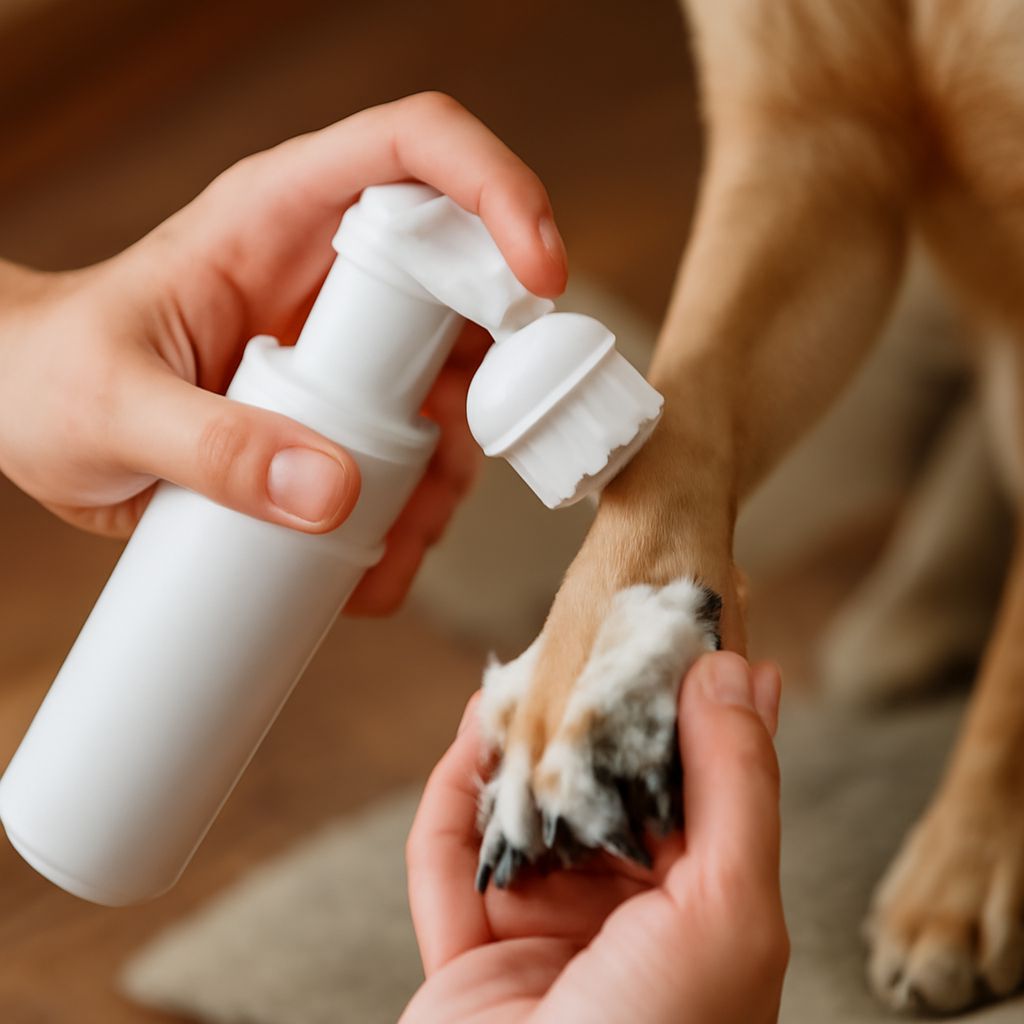
While working through a diagnosis, reduce allergen exposure where possible. Wash bedding weekly in hot water, vacuum frequently, and wipe paws after outdoor time. If the dog’s scratching spikes in spring or fall, seasonal allergens are likely involved. Bathing with a gentle, vet-approved shampoo twice a month can reduce surface allergen load and soothe skin temporarily.
Key takeaways: Chronic scratching and self-directed chewing in dogs almost always has a medical cause. Identifying that cause, whether allergies, parasites, or infection, is the only reliable path to stopping it. Work with a vet rather than waiting it out.