Benzoyl Peroxide Dog Shampoo vs. Hydrogen Peroxide: What Actually Works on Skin
Many dog owners reach for whatever is in the medicine cabinet when their pet has a skin problem. A hydrogen peroxide dog wound rinse seems logical, a leftover antiseptic from the first-aid kit. The reality is that these two products work very differently, and using the wrong one can make things worse. Before you treat anything at home, it helps to understand what each product actually does to canine skin.
The short version: benzoyl peroxide dog shampoo is a medicated wash designed for ongoing skin conditions, while hydrogen peroxide for dog skin infection is a one-time antiseptic with real limitations. Wondering can I put peroxide on my dog without causing irritation? The answer depends heavily on concentration and context. And if your dog has a dog skin yeast infection, hydrogen peroxide is not the right tool.
How Benzoyl Peroxide Shampoo Works on Dog Skin
What Benzoyl Peroxide Does
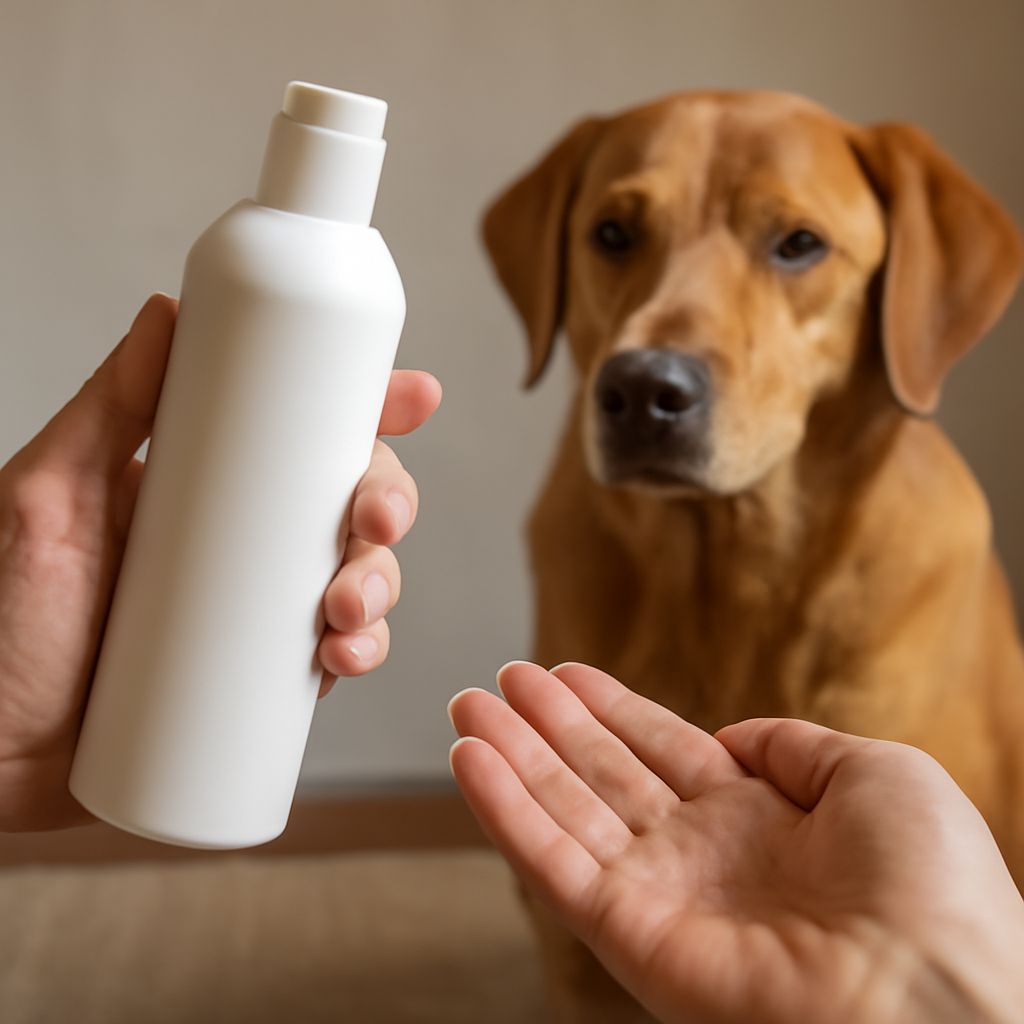
Benzoyl peroxide is a keratolytic agent, meaning it breaks down the outer layer of dead skin cells and clears blocked follicles. In shampoo form, it flushes debris out of hair follicles rather than just sitting on the surface. This makes it well suited for dogs with seborrhea, folliculitis, or recurring bacterial infections of the skin. The concentration in veterinary shampoos is typically 2.5%, lower than many human products, which helps reduce the risk of dryness or bleaching of the coat.
When to Use It
A medicated peroxide wash works best when a vet has identified a bacterial component to the skin problem. It is not a substitute for systemic antibiotics in moderate to severe infections, but it can reduce surface bacterial load and help other treatments work more effectively. Use it no more than twice weekly unless your vet says otherwise. Rinse thoroughly, since residue left on the skin causes irritation.
Hydrogen Peroxide for Wounds: A Narrower Role
Appropriate Use on Dogs
A diluted hydrogen peroxide wound rinse can clean a fresh minor cut before you get to the vet. The standard recommendation is 3% concentration, applied once. It kills surface bacteria by releasing oxygen on contact, which creates that visible foaming. That bubbling can actually pull debris out of shallow wounds, which is useful in the first few minutes after an injury.
Why Repeated Use Is Harmful
This is where many owners go wrong. Using a peroxide solution repeatedly on the same wound slows healing. The same oxidizing action that kills bacteria also damages new tissue forming at the wound edges. Fibroblasts, the cells that build new skin, are sensitive to oxidative stress. A wound treated multiple times with peroxide will take longer to close than one cleaned once and then left to heal with a plain saline rinse.
Yeast Infections: Peroxide Does Not Help
Dog skin yeast overgrowth, usually caused by Malassezia pachydermatis, requires antifungal treatment. Hydrogen peroxide does not have meaningful antifungal activity at safe concentrations. If you see the classic signs of a yeast skin problem, such as greasy skin, a musty odor, or dark discoloration in skin folds, a peroxide rinse will not address the cause. Your vet can prescribe an antifungal shampoo or oral medication that targets the fungus directly.
Choosing the Right Product for Your Dog
For recurring bacterial skin conditions, a benzoyl peroxide shampoo used on a schedule your vet recommends is the more appropriate choice. For a one-time wound cleaning on a fresh, minor cut, 3% hydrogen peroxide applied once is acceptable until professional evaluation. For any suspected fungal involvement, yeast-related skin infections, or wounds that are deep, infected, or slow to heal, skip home remedies entirely and consult your veterinarian. Getting the diagnosis right matters more than the product you choose.