Pet Ants, Pet Storage, and Pet Commands: Connecting Unusual Pet Topics to Dog Training
Pet ants occupy an unusual space in the pet hobby. Ant farms have existed for decades, but serious myrmecology, the keeping of live ant colonies in purpose-built formicaria, has grown into its own community with specialized equipment and careful feeding protocols. The appeal of keeping ants is their visible social structure and low cost. But the term pet ants can also come up in a dog training context, specifically when people search for how to stop a dog from chasing or eating ants in the yard. These are different problems with different solutions.
Pet storage is another phrase with multiple meanings. For some, it refers to organized storage of pet supplies. For others, it means temporary pet boarding, sometimes called pet storage colloquially in rural areas. Pet rental, the short-term borrowing of animals for social or therapeutic purposes, is a growing service in some urban markets. And a pet pedicure is a professional nail trim for a dog or cat, which connects directly to a pet command system: teaching a dog to cooperate with grooming requires the same structured approach as any obedience work.
Using Pet Commands to Build Grooming Cooperation
Why Commands Matter for Grooming
A dog that fidgets, pulls away, or snaps during nail trims is usually a dog that was never trained to accept handling. The fix is not restraint; it is conditioning. Teaching a dog to hold a paw on cue, stand still on command, and associate handling with positive outcomes converts grooming from a struggle into a routine. The same principles apply whether you are doing a home pedicure or preparing the dog for a professional pet pedicure appointment.
Core Commands for Handling Tolerance
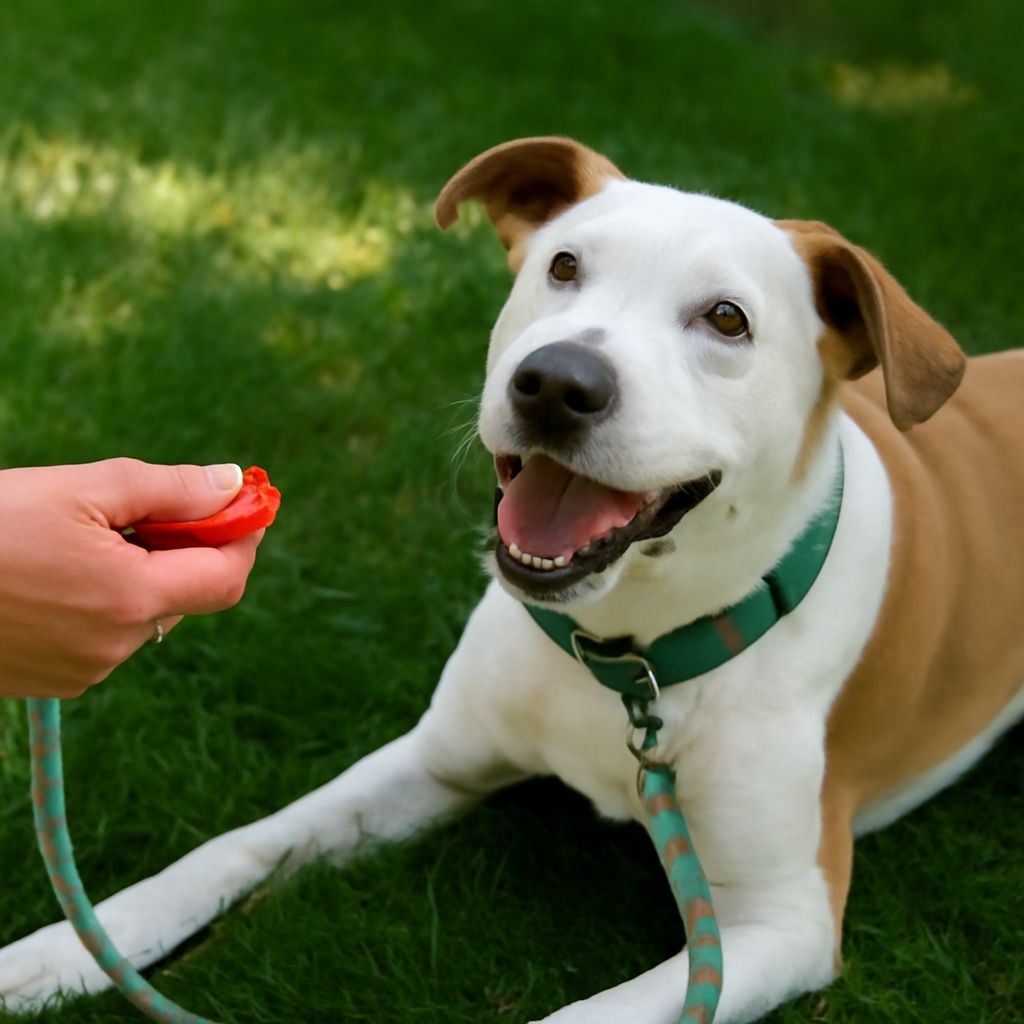
Start with “place” or “mat,” which teaches the dog to go to a specific spot and remain there. Add “stay” with gradual duration. Introduce “paw” to get the dog to offer a foot voluntarily. Practice touching the paw, then the nails, then briefly using a clipper near the nails before ever making contact. Each step should be rewarded before advancing. Dogs that resist nail contact often have a history of quicks being cut; going slowly rebuilds trust.
Organizing Pet Supplies and Planning Boarding
Pet Supply Storage Solutions
Organized pet supply storage keeps routines consistent. Airtight containers for kibble maintain freshness and deter pests. A dedicated drawer or cabinet for medications, grooming tools, and flea prevention products reduces the time spent searching when you need something quickly. Label containers clearly, especially if multiple animals in the household have different food types or supplement schedules.
Pet Boarding: What to Prepare
When using a professional pet boarding service, prepare a written summary of the dog’s daily routine, command vocabulary, feeding schedule, and any medical needs. A dog that responds to specific verbal cues performs better in a new environment when staff use the same words. Bring familiar bedding and a worn shirt for scent comfort. Update vaccination records before drop-off; most reputable facilities require current documentation.
Addressing Dogs That Chase or Eat Ants
Dogs that fixate on ants in the yard are usually responding to movement. The “leave it” command is the most direct tool. Teach it with a low-value item first, then generalize to moving targets. For dogs with ant access near their feeding area, move the bowl and treat the ant trails with pet-safe deterrents. A trainer can help if the behavior has become compulsive.
Safety recap: Always verify that any pest deterrent used near dogs is labeled pet-safe. Nail trimming tools and grooming equipment should be cleaned and stored out of reach. When using a professional pedicure or boarding service, communicate the dog’s command vocabulary upfront for consistent handling.