Dog Will Hunt: What Drives Predatory Instinct and Food Behavior
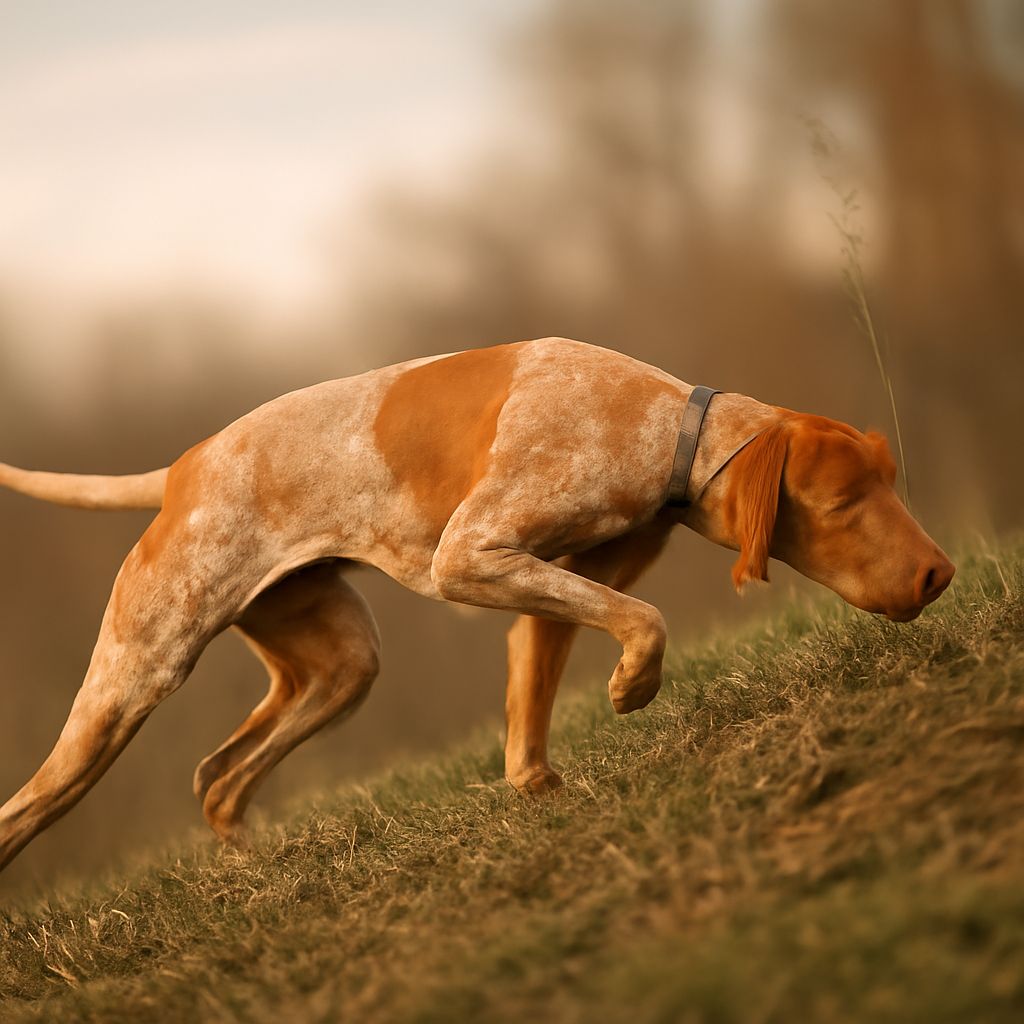
A dog will hunt whether or not its owner intended to breed a working dog. Predatory drive is baked into canine biology, and it influences behaviors well beyond chasing squirrels — it shapes how dogs approach meals, treats, and even food they shouldn’t eat. Many people think a dog won’t eat his food but will eat treats because the dog is being stubborn. The real explanation is usually more about instinct, palatability, or medical issues than willful disobedience.
This also raises questions at the other end of the spectrum. Can people eat dog food? Technically yes in a survival situation — it won’t immediately harm a healthy adult — but it’s formulated for canine nutritional needs, not human ones, and lacks important nutrients people require. Dog food vs cat food presents a more relevant comparison for multi-pet households. Cat food is higher in protein and fat, which is why so many dogs prefer it and why my dog will only eat cat food is a complaint heard regularly at veterinary offices.
Why Dogs Ignore Their Food But Chase Treats
The Palatability Problem
Dogs that refuse kibble yet sprint for treats are responding to palatability differences, not playing mind games. Treats are typically higher in fat, have stronger aromas, and provide an immediate reward signal in the brain. Dry kibble, especially lower-quality formulas, doesn’t trigger the same response. Switching to a food with higher moisture content or mixing in a small amount of warm water often closes this gap.
Medical Causes of Food Refusal
Dental pain, nausea, gastrointestinal illness, or medication side effects can cause a dog to skip meals while still accepting soft, aromatic treats. If a dog has been avoiding its bowl for more than two days, a veterinary exam is the right first step rather than experimenting with food changes.
Dog Food vs Cat Food: Why It Matters
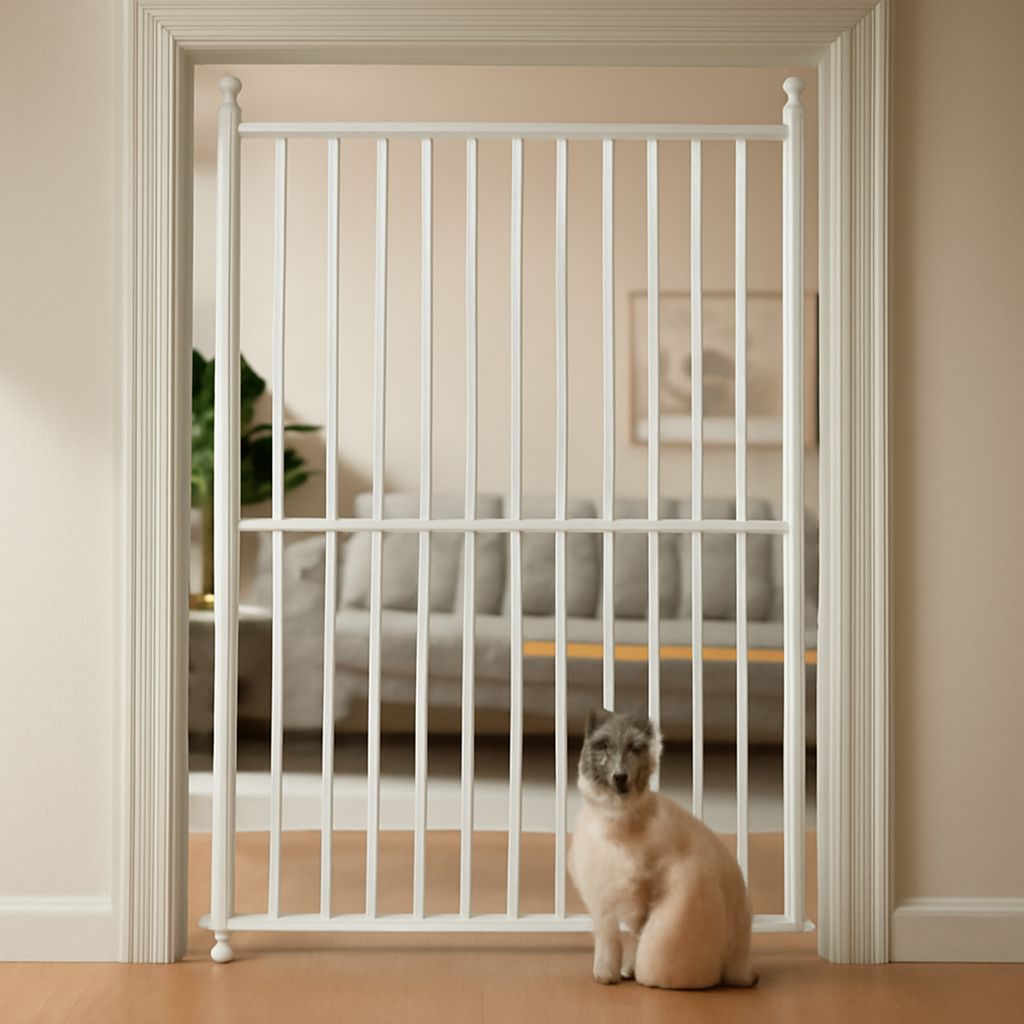
Cat food has taurine, arachidonic acid, and vitamin A in forms dogs can synthesize on their own. Dogs eating cat food regularly face risks: obesity from excess fat, digestive upset, and potential kidney strain over time. A dog that hunts out the cat’s bowl needs separate feeding stations — ideally in different rooms or at elevated heights the dog can’t reach.
Managing Instinct-Driven Eating Habits
Dogs with strong hunting drive often eat quickly and guard food resources. Slow feeders reduce gulping and bloat risk. Puzzle feeders channel predatory interest into controlled meal engagement. For dogs that hunt small animals, consistent recall training and leash management in outdoor spaces keep both the dog and local wildlife safer.
Key takeaways: A dog’s tendency to prefer treats over meals usually reflects palatability or health issues, not stubbornness. Cat food and dog food serve different nutritional purposes — regular cross-species eating creates long-term problems. Predatory drive in dogs is normal and manageable with the right feeding setup and consistent training.