Cardboard Pet Carrier Options and Modern Dog Travel Gear Compared
The idea that a cardboard pet carrier is always a flimsy throwaway option is only partly true. For short vet trips with calm animals, a well-constructed cardboard box carrier actually works fine. But for longer travel or active dogs, you need sturdier solutions. A dormouse pet, for instance, fits in a very small secure container, while dogs require far more structural support.
Pet magazines have covered the evolution of dog carrying gear extensively, and the consensus is clear: fit and security matter above all else. A dog pouch carrier suits small breeds for quick outings, while pet slings offer a hands-free option for tiny dogs during walks. Understanding the right gear for your situation starts with knowing your dog’s size, temperament, and travel needs.
Choosing Between Cardboard, Fabric, and Hard-Shell Carriers
When Cardboard Works
Cardboard carriers from veterinary offices or shelters are designed for one-time use with calm, small animals. They have ventilation holes, a handle, and basic structural integrity. For a single short car ride, a sturdy cardboard box carrier does the job. They are cheap and disposable, which makes them practical for post-surgery trips when cleanliness matters. Never use a cardboard carrier for flights or extended travel.
Fabric Slings and Pouches for Small Dogs
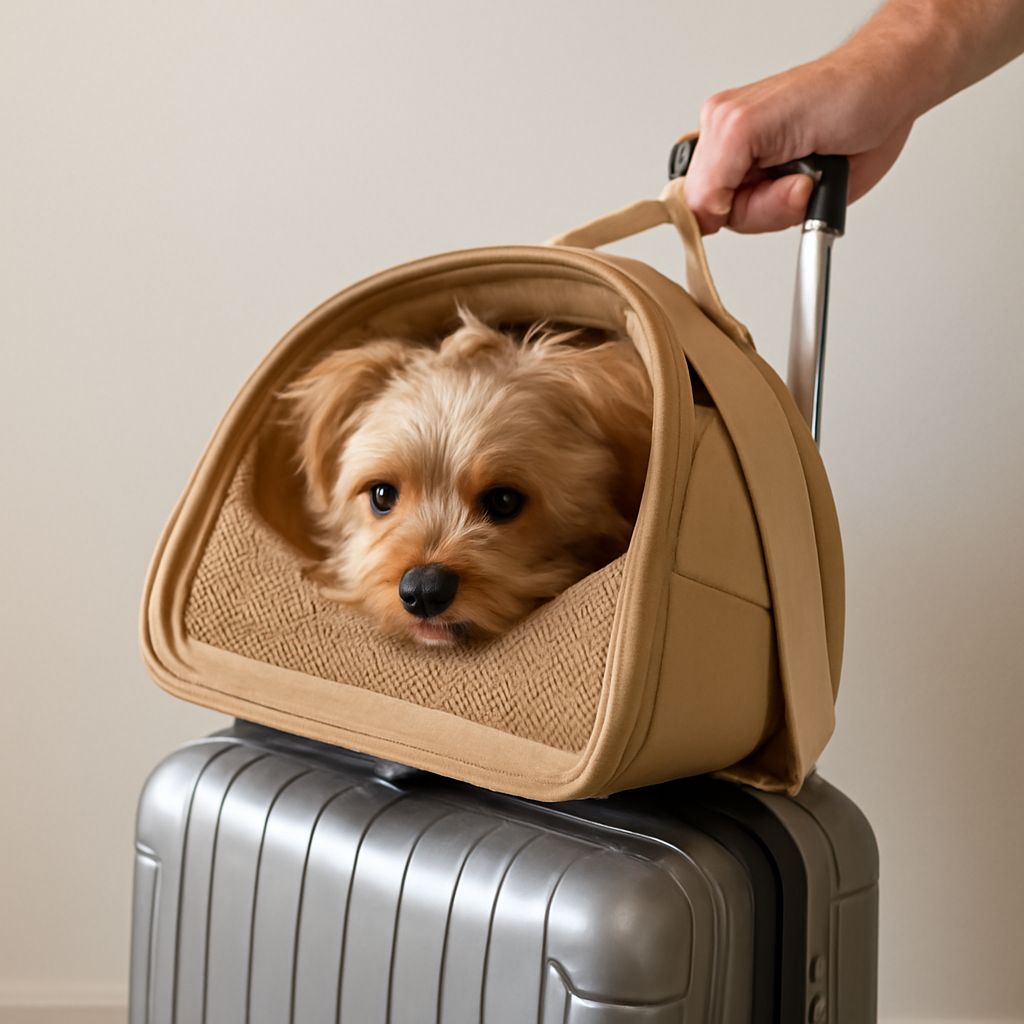
Dog carrying pouches hold dogs against your body, distributing weight evenly and keeping the animal secure. A dog pouch carrier works best for dogs under 10 pounds who are comfortable being held close. Pet slings work similarly but allow slightly more movement and are easier to put on and take off. Both styles are popular for urban dog owners who need to move through crowded spaces. Look for adjustable straps and breathable mesh panels.
Hard-Shell and Airline-Approved Options
Hard plastic carriers offer the most protection for both car travel and flights. They meet IATA airline specifications and provide consistent ventilation. For dogs who are anxious travelers, the enclosed feel of a hard-sided crate actually reduces stimulation and keeps them calmer. These are heavier and bulkier than fabric options but are the correct tool for serious travel.
What Travel Guides and Pet Publications Recommend
Coverage in pet magazines consistently recommends matching carrier type to the specific journey. A weekend hiking trip calls for a backpack-style carrier with rigid frame support. A city coffee run suits a fabric dog sling. Airline travel demands an approved hard crate. No single carrier type fits all situations, and investing in more than one style is common among active dog owners.
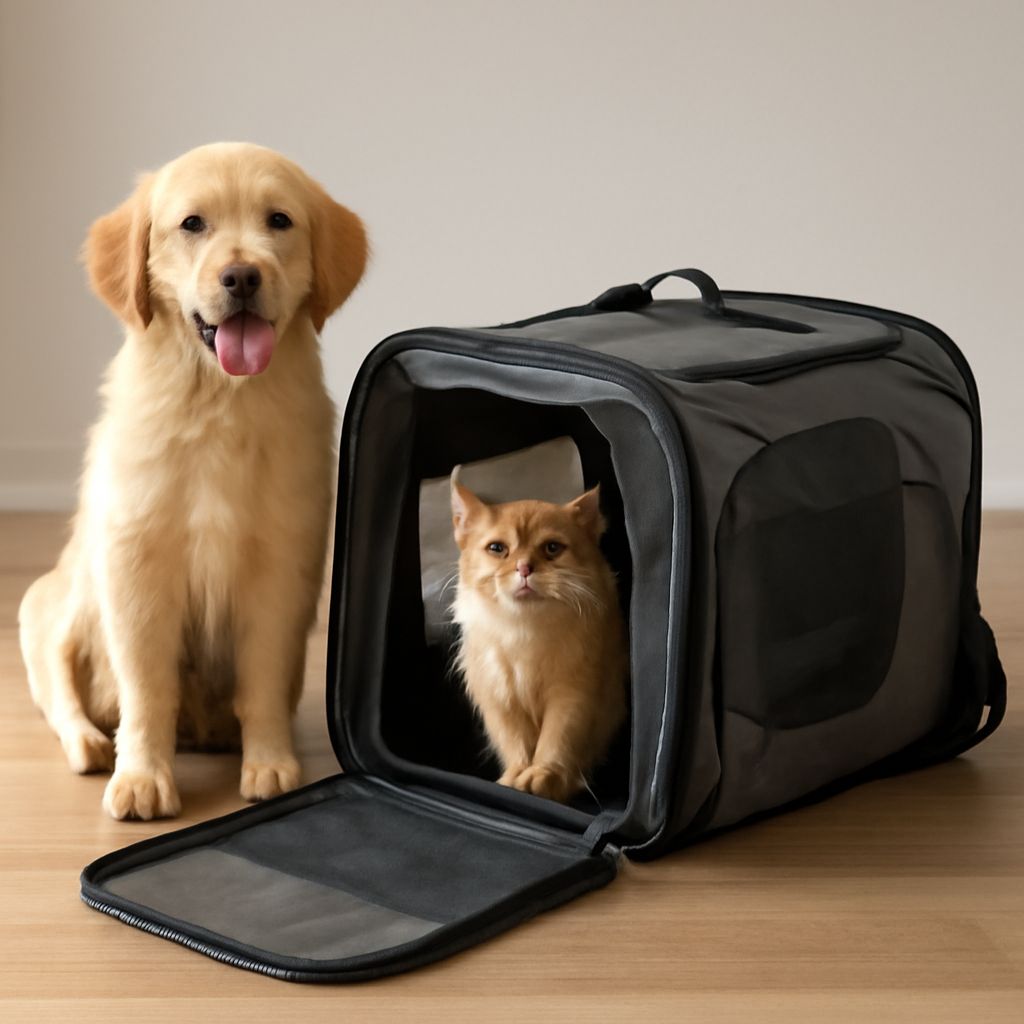
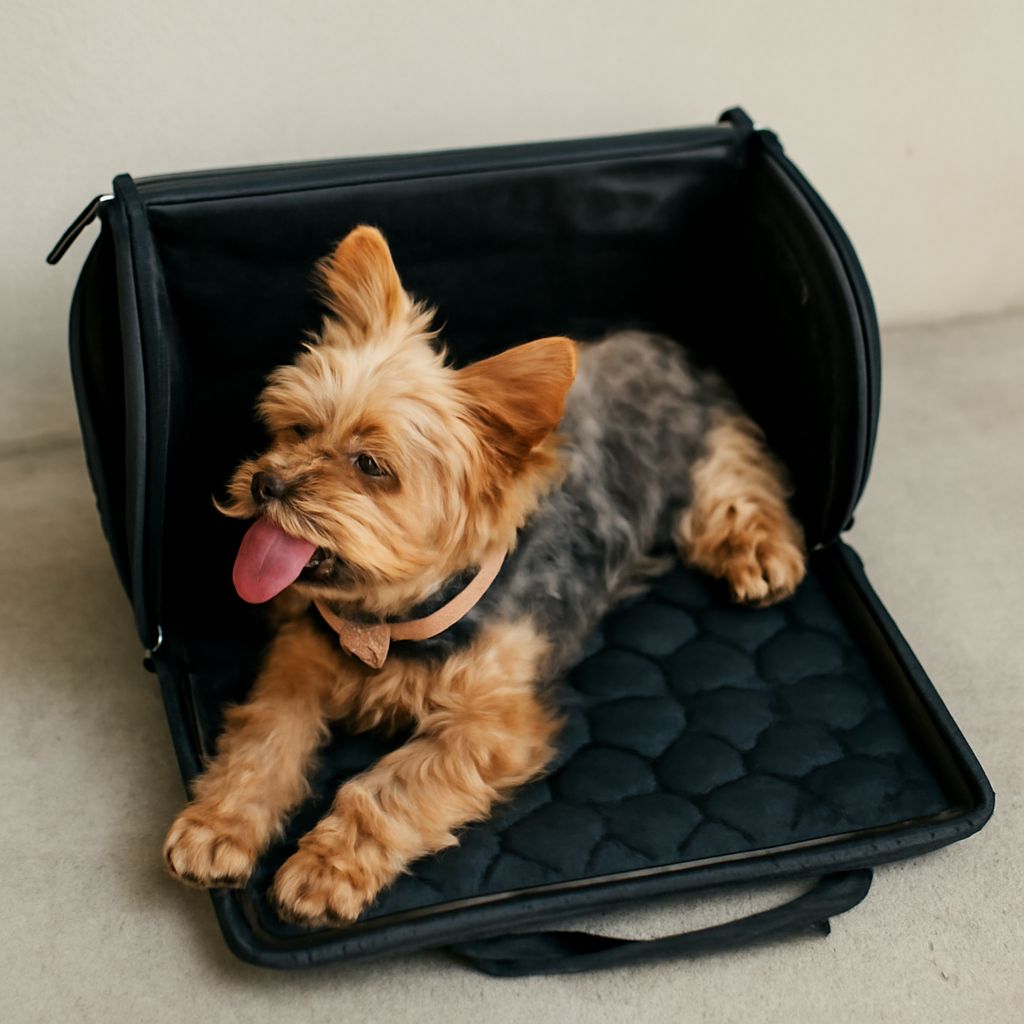
When selecting any carrier, measure your dog standing up and add four inches to both length and height. The animal should be able to turn around and lie down. Carriers that are too small cause stress and can cause injury on longer trips. A dog who accepts their carrier calmly will travel better, so introduce any new carrier at home with treats and short practice sessions before the actual trip.
Safety recap: Always secure a carrier with a seatbelt in the car. Check ventilation before every trip. Never leave a dog in a carrier in a warm vehicle, regardless of carrier type.