Walk Your Dog With Love: Building Better Leash Habits
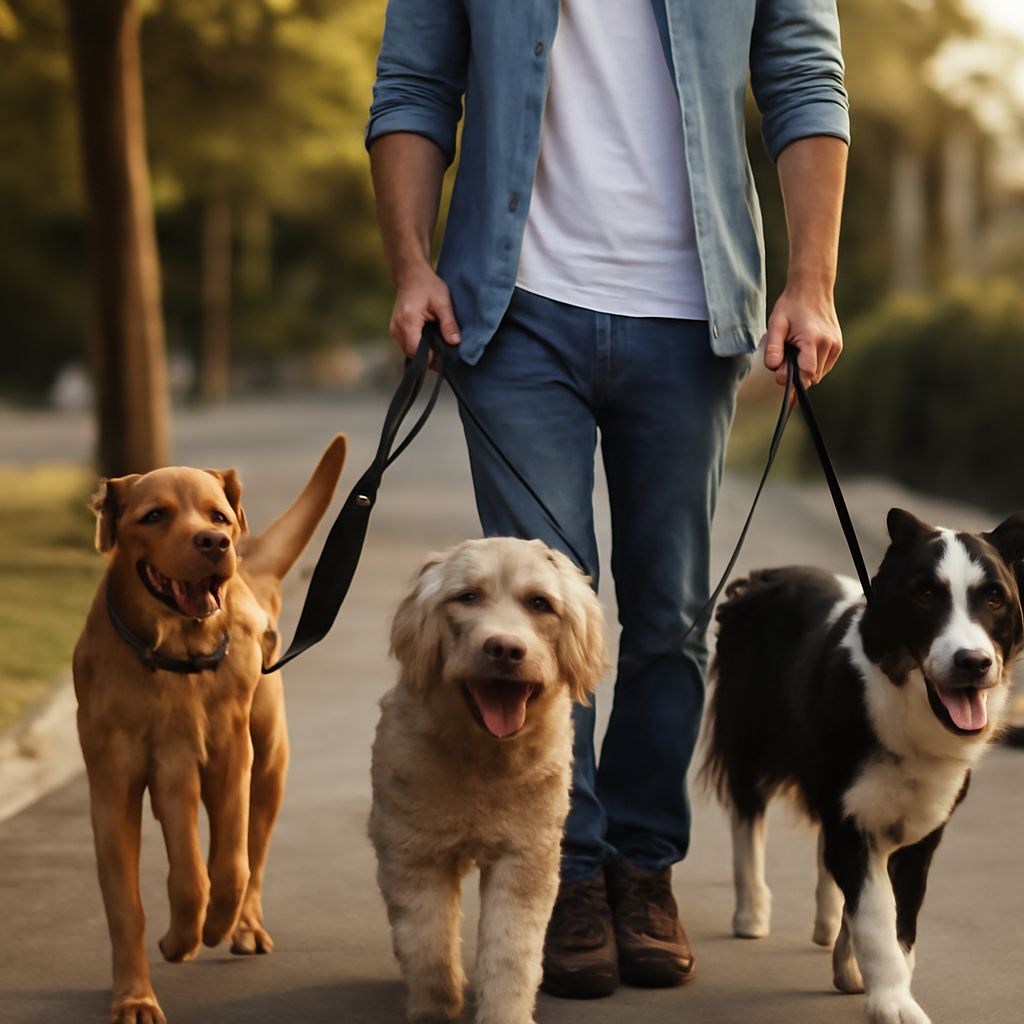
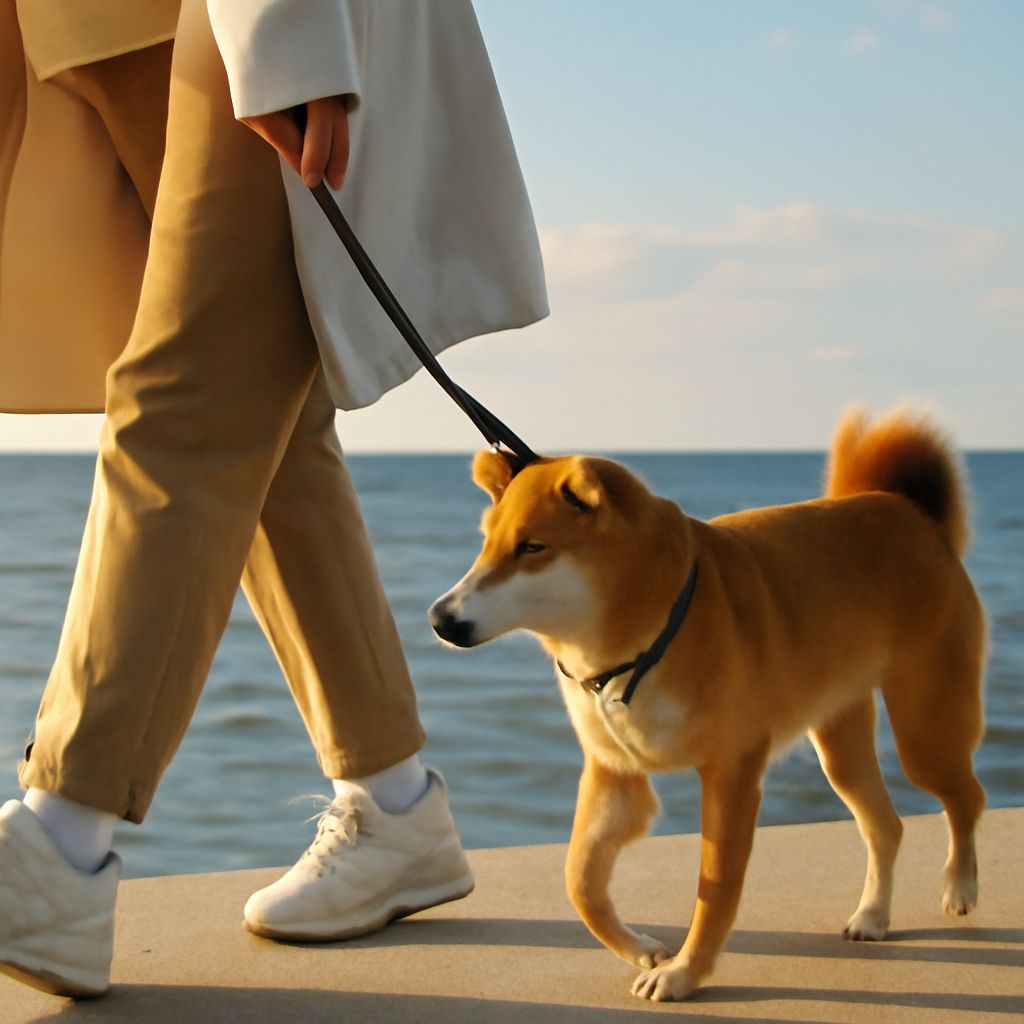
The phrase walk your dog with love sounds like a platitude, but it reflects a real philosophy: walks should meet your dog’s physical and psychological needs, not just yours. Many owners treat the daily walk as a bathroom break. That misses the point. A dog walk done well is enrichment — sniffing, exploring, and moving at a pace that satisfies instinct. Dog walk slang like “potty walk” or “quick loop” reveals how reduced these outings often become.
A dog wont walk for many reasons — fear, pain, distraction, or stubbornness — and lumping all of these under one label leads to the wrong fix. Similarly, dog stops walking and won’t move mid-route usually signals something environmental, not defiance. Knowing how to walk the dog effectively means reading the situation accurately before applying any strategy.
Why Dogs Refuse to Walk and What to Do
A dog that stops and plants itself isn’t being difficult. It’s communicating. Common causes include:
- Pain or physical discomfort — a limping dog or one that hunches during a walk should see a vet before the next outing
- Fear of environment — new surfaces, loud traffic, unfamiliar smells, or other dogs can trigger a freeze response
- Overstimulation — some dogs shut down when there’s too much to process at once
- Inadequate warm-up — dogs taken straight from sleep or crate time to a fast-paced walk sometimes stall until their muscles loosen
When a dog wont walk forward, stop and wait. Forcing or dragging increases anxiety and can cause injury. Let the dog stand, sniff, and gather itself. If the dog regularly refuses to move, rule out physical causes first with a veterinary check.
Leash Technique and Walking Etiquette
Good leash handling is a skill most owners never formally learn. Dog walk slang terms like “loose leash,” “heel,” and “decompression walk” describe specific techniques with distinct purposes. A decompression walk — on a long line with no structured heeling — lets dogs move at their own pace and sniff freely. It’s restorative in a way a tight-leash march around the block is not.
How to walk the dog correctly depends on your goal. For manners training, use a shorter leash (4–6 feet) and reinforce calm, loose-leash movement with high-value treats. For mental enrichment, extend to a 15–20 foot long line in a safe area. For exercise, a brisker pace on a standard leash suits most adult dogs.
Building the Habit of Loving Walks
Walking your dog with care means adjusting to their needs that day. A dog that’s been alone for eight hours needs longer sniff time than one who was home all day with company. Age changes what a good walk looks like — puppies need shorter, more frequent outings; seniors may need slower, shorter routes with more rest.
A dog stops walking and won’t move at certain spots for a reason. Track where it happens. You may find a pattern — a neighbor’s dog, a garbage can with an alarming smell, a grate in the sidewalk. Gradual desensitization at that specific point, done with patience and treats, resolves most location-based refusals over time.
Key takeaways: Walking your dog with intentionality — adjusting pace, duration, and sniff time — produces better behavior and a calmer dog at home. A dog that stops mid-walk or refuses to go is telling you something specific; the fix starts with identifying the cause. Consistent, enriching walks are among the most effective tools in any training or behavior plan.