Mad Dog and Merrill: What Fables About Dogs and Wolves Teach Us About Cats
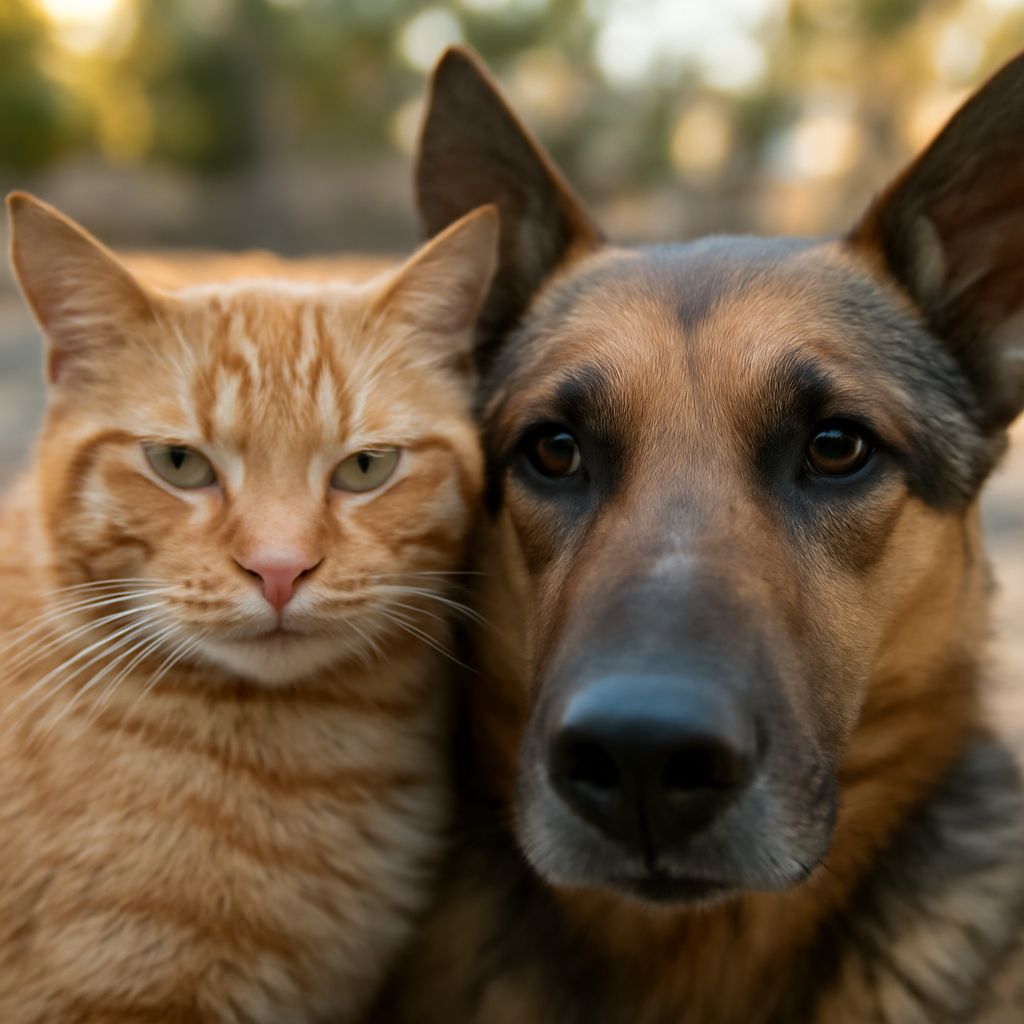
The phrase mad dog and merrill conjures an old-fashioned image of frenzied aggression, but this stereotype has little to do with how dogs actually behave. The story of the dog and its reflection warns against greed and self-deception, yet many pet owners project those same distorted images onto their cats. Meanwhile, the ancient contrast between the dog and the wolf shapes how we interpret modern domestic animals. Cat behavior gets filtered through canine myths, creating confusion. And when a companion shows cat and dog paw prints side by side in mud, the differences in gait reveal real anatomical distinctions, not personality flaws. If your cat dog seems confused and disoriented, chances are the issue is medical, not mythological.
Animals are not morality fables. The lessons buried inside those old stories only mislead owners who apply them literally to living pets. Cats are not stand-ins for greedy dogs losing bones, nor are they domesticated wolves plotting escape. They are a separate species with specific needs, instincts, and health vulnerabilities that deserve clear-eyed assessment.
Fables Versus Facts: Reframing Canine and Feline Myths
Stories like the fable of the snapping hound losing his bone to a puddle reflection have traveled centuries, shaping how people read animal behavior. The vain dog and his rippling mirror-rival is a teaching device, nothing more. Cats trigger similar misreadings. Owners watch a cat crouch, pupils wide, and assume cunning or madness rather than a normal predatory focus. A dog going feral in old stories parallels wolf ancestry; cats retain more solitary instincts from their lineage without being any less domesticated.
Side-by-side comparisons of dog and cat foot anatomy show measurable differences. Canine paws press flat during a trot, leaving rounded prints with visible claw marks. Feline prints are smaller, rounder, and claws usually retract, so they rarely show. These physical facts matter more than symbolic readings. When you study actual paw impressions from both species, you see how different locomotion is, and that informs how each animal exercises, plays, and experiences joint stress.
Recognizing Confusion and Disorientation in Cats
A cat that circles, stares at walls, or fails to recognize familiar people is not acting out a fable. Disorientation in older cats often signals feline cognitive dysfunction syndrome, the cat equivalent of dementia. Vestibular disease, a sudden inner-ear disruption, produces head tilting, falling, and rapid eye movement that owners sometimes misread as bizarre behavior or aggression. Hyperthyroidism, hypertension, and neurological lesions also cause confused states.
Watch for these signs in your cat:
- Circling or walking in tight patterns without apparent purpose
- Vocalizing at night, especially loud or repetitive cries
- Failing to use the litter box after years of reliable habits
- Staring blankly at walls or into corners for extended periods
- Losing balance or stumbling on flat surfaces
Any of these signs warrants a veterinary visit within 24 to 48 hours, not a wait-and-see approach. A licensed veterinarian can run bloodwork, check blood pressure, and perform a neurological exam to identify the cause. Do not attempt to diagnose this at home based on online descriptions of wolf behavior or fable-derived ideas about animal madness.
What Comparative Anatomy Tells Owners About Cat Care
Studying the contrast between domesticated dogs and their wolf relatives reveals how much selective breeding compresses over centuries. Dogs went from apex pack hunters to animals that read human faces and solicit eye contact. Cats domesticated themselves on a looser timeline, retaining more autonomous hunting behavior. Neither path makes one species mentally superior or inferior to the other.
For practical cat care, the anatomy comparison matters most. Cat spines are more flexible than canine spines, giving them that distinctive fluid gait. Their claws are designed for climbing and gripping, not ground traction. This is why scratching posts must be tall enough for a full vertical stretch, and why horizontal scratch pads serve a different muscle group. Feline foot pads also contain sensory nerve endings that make them sensitive to extreme temperatures, rough surfaces, and certain topical products meant for dogs. Never apply dog-specific paw balms to cat pads without veterinary approval.
Key takeaways: Old fables about dogs, wolves, and reflections have no practical application to cat health or behavior. Cats showing confusion or disorientation need prompt veterinary evaluation, not myth-based interpretation. Understanding the real anatomical differences between dogs and cats leads to better, species-appropriate care.