How Long Can a Dog Go Without Peeing? A Practical Guide by Age and Size
Pet owners often believe any healthy adult dog can go eight or even twelve hours without urinating, but that assumption causes real discomfort and sometimes medical problems. How long can a dog go without peeing depends on age, size, health status, and hydration level, not a single universal number. How long can a dog hold its pee safely differs between a ten-week-old puppy and a five-year-old adult, and differs again for seniors. Owners also ask how long can a dog hold their pee when debating crate schedules, and the answer changes based on breed and bladder capacity. Some shelters quote guidelines for how long can a dog go without urinating that assume ideal conditions, which rarely match real life. The practical rule for how long can a dog hold it is: less time than most owners assume, with medical risk increasing after about eight hours for adults.
The ability to defer urination is not just a matter of willpower. A dog’s bladder has a physical capacity, and when it fills, pressure signals become urgent. Forcing a dog to suppress that signal repeatedly causes chronic bladder stress and increases the risk of urinary tract infections, particularly in females.
Bladder Capacity by Life Stage
Puppies Under Six Months
Young dogs have small bladders and limited sphincter control. As a working guideline, puppies can hold urine for roughly one hour per month of age. A two-month-old needs a bathroom trip every two hours during waking hours and cannot reliably hold through the night without at least one break. Expecting a puppy to go longer than this leads to accidents and stresses the developing urinary tract.
Adult Dogs Between One and Seven Years
Most healthy adult dogs can defer urination for four to six hours comfortably. Some larger-bladdered dogs manage eight hours occasionally, but this should not become the standard. Dogs kept on a schedule of eight or more hours between outdoor breaks show higher rates of urinary infections and are more likely to develop marking behaviors indoors as a response to urgency. Three to four outdoor trips per day is the appropriate baseline for adult dogs.
Senior Dogs Over Seven Years
Aging brings reduced bladder muscle tone, hormonal changes, and sometimes kidney decline that increases urine output. Senior dogs often need more frequent access outdoors, not less. An older dog that previously went six hours without issue may now need trips every three to four hours. Incontinence in older dogs is a medical issue, not a discipline problem, and deserves veterinary assessment.
Factors That Shorten Safe Hold Times
Several conditions compress how long a dog can safely wait between bathroom breaks:
- High water intake from diet, heat, or illness increases urine production
- Urinary tract infection causes urgency regardless of time since last void
- Diabetes insipidus or mellitus dramatically increases urination frequency
- Kidney disease reduces concentrating ability, producing more dilute urine in larger volumes
- Certain medications including steroids and diuretics increase output
- Anxiety can trigger urgency even when the bladder is not full
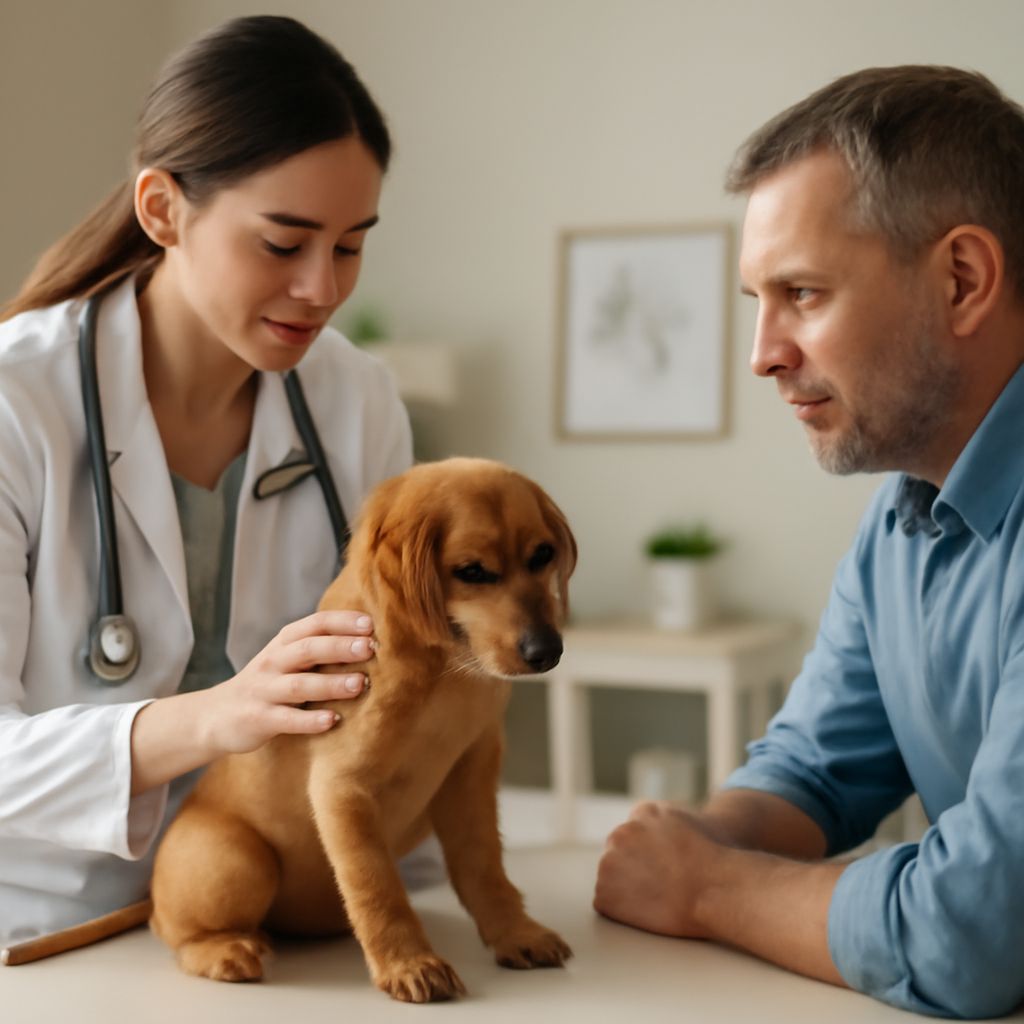
If your dog suddenly needs to urinate more often than usual, or shows signs of straining, blood in urine, or accidents after a reliable history, schedule a veterinary appointment within 24 to 48 hours. These signs point to medical causes, not inadequate training.
Building a Practical Bathroom Schedule
A workable schedule for an adult dog includes a morning trip immediately after waking, midday access if the owner is home or a dog walker is available, a trip after the evening meal, and a final outing before bedtime. Dogs in households where owners work full days benefit from a midday visit by a dog walker or neighbor. Doggy daycare provides continuous outdoor access and removes the holding pressure entirely on workdays.
Key takeaways: Adult dogs should go out every four to six hours, not eight or more. Puppies need trips every one to two hours based on their age in months. Any sudden change in urination frequency or urgency warrants a vet visit, since the cause is almost always medical rather than behavioral.