Dog Nail Quick: Understanding Anatomy Before You Cut
The dog nail quick is the blood vessel and nerve bundle running through the center of each nail. Cut into it and the nail bleeds, the dog pulls back sharply, and both of you associate nail trimming with something unpleasant. The quick is why most owners are nervous about cutting nails at all — but understanding dog nail anatomy first makes the process much more predictable.
Knowing how to use dog nail clippers correctly starts before the clipper touches the nail. How to cut dog toenails without causing pain depends on identifying where the quick ends and the dead nail begins. The best dog nail clippers with sensor technology help with this, but even standard clippers work fine once you know what you’re looking at. Overgrown nails that alter gait can contribute to a subtle limp over time, so keeping nails trimmed has a direct impact on comfort and movement.
What Is the Dog Nail Quick?
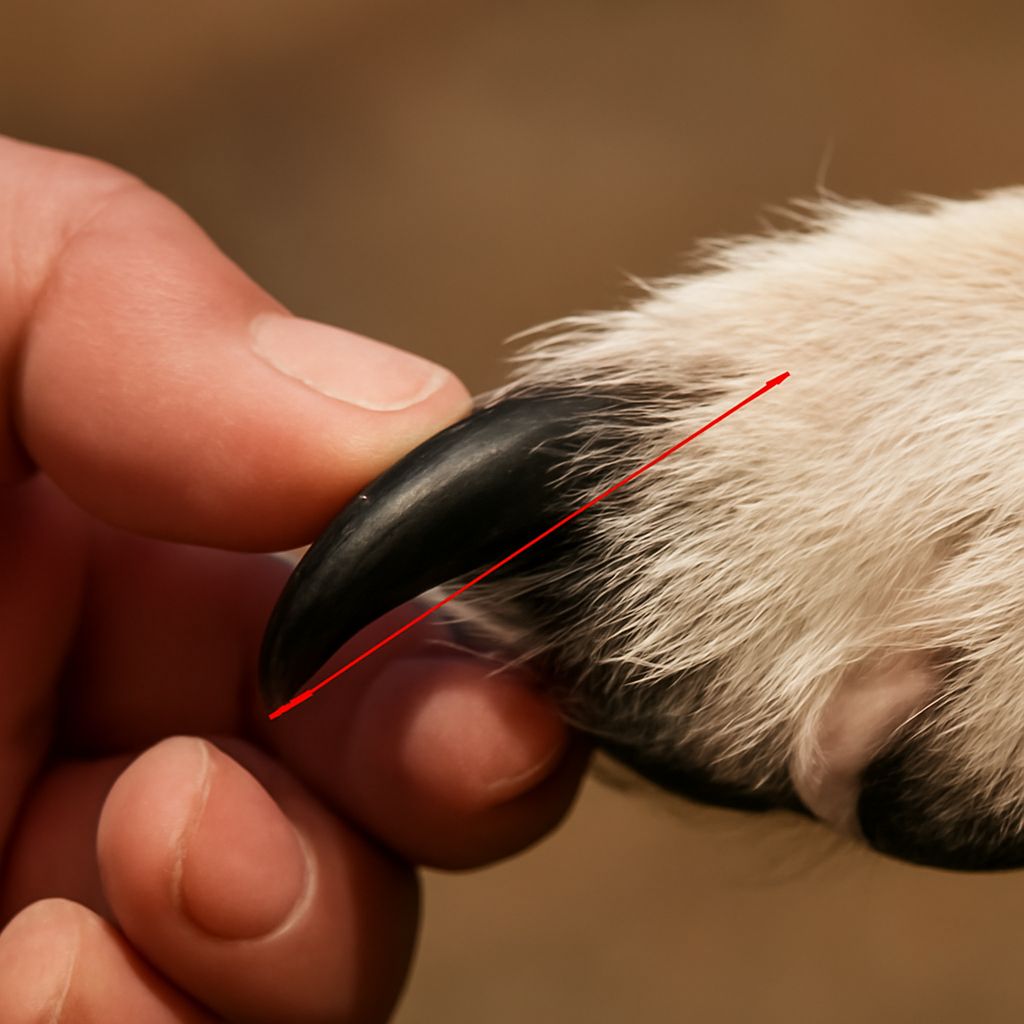
The quick is living tissue — it contains blood vessels and a nerve. In dogs with light or white nails, it’s visible as a pink region inside the nail when you hold it up to light. In dark or black nails, it’s hidden, which is why dark-nailed dogs are harder to trim without experience. The quick grows longer when nails aren’t trimmed regularly, extending further toward the tip and making the safe cutting zone shorter. Regular trimming — every three to four weeks — encourages the quick to recede over time.
How to Read Dog Nail Anatomy Before Trimming
For light nails, shine a small flashlight from behind the nail. The pink quick is usually visible as a defined zone ending about two to three millimeters from the tip. The white or translucent area below the quick is dead nail — safe to cut. For dark nails, cut in small increments and look at the cut surface after each clip. A white or chalky cross-section means you’re still in dead nail. A dark circle appearing in the center of the cut surface means you’re approaching the quick — stop there. Dog nail anatomy is the same across breeds; the visibility difference is purely pigmentation.
How to Use Dog Nail Clippers Without Hitting the Quick
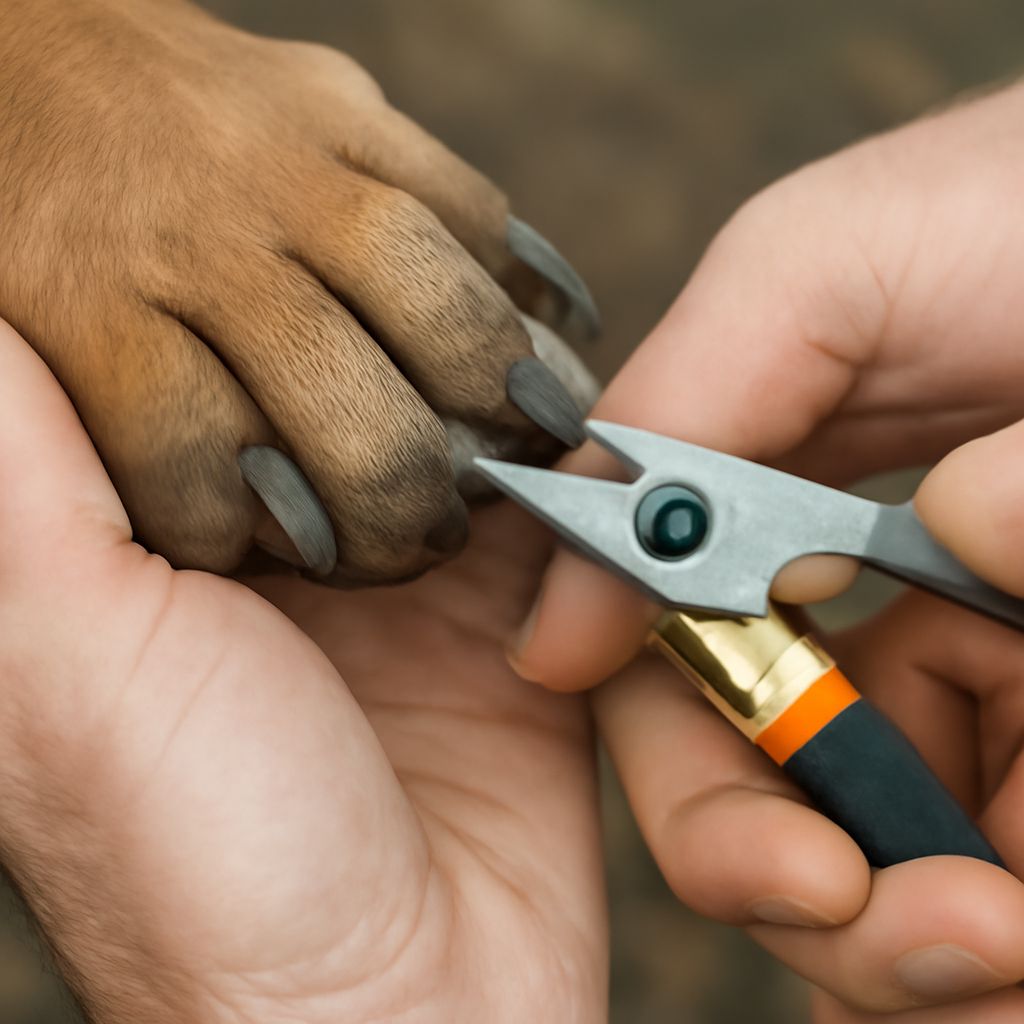
Position the clippers perpendicular to the nail rather than at an angle. Cut straight across, taking off small amounts at a time. Angled cuts are fine for shaping but make it harder to judge depth. Have styptic powder or a styptic pencil nearby — if you do nick the quick, applying styptic powder stops bleeding within sixty seconds. Keep the dog calm between cuts rather than rushing through all paws quickly. Short sessions with positive reinforcement help dogs tolerate nail trimming as a routine rather than a crisis.
Tools That Help: Nail Clippers With Sensors
The best dog nail clippers with sensor technology use light or a built-in indicator to identify the quick’s location before you cut. Most use LED illumination through the nail to highlight the pink zone. These work well on light-colored nails and moderately well on medium-pigment nails. On very dark nails, the sensor’s usefulness is more limited. They’re a good choice for new owners learning how to cut dog toenails confidently and for dogs that have been previously hurt during trimming and are anxious about the process.
Bottom Line
Understanding the dog nail quick makes every trim safer. Learn the anatomy, use good lighting, cut in small increments, and keep styptic powder on hand. If your dog’s nails have been neglected for a long time, a groomer or vet can trim them back gradually and show you the right technique before you take over at home.