How to Make a Dog Throw Up Safely: What Vets Actually Recommend
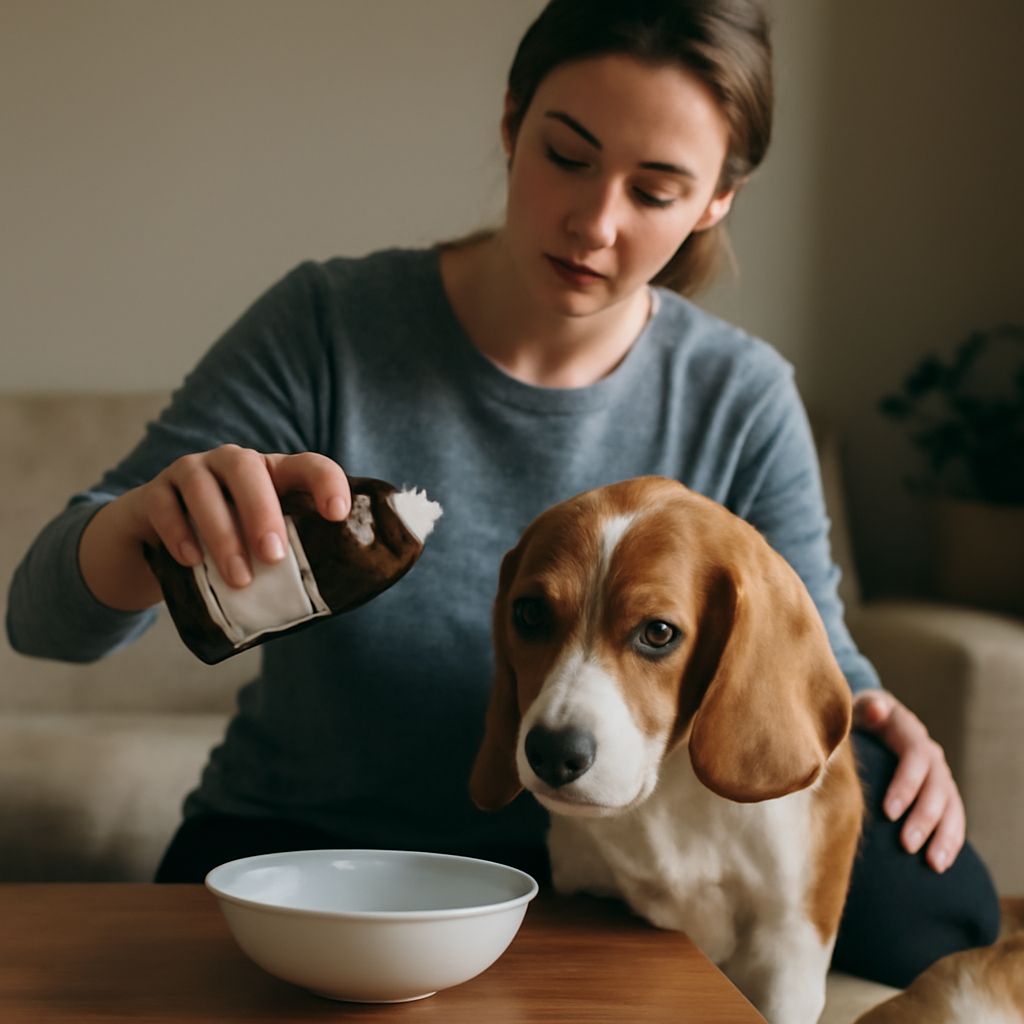
Knowing how to make a dog throw up is information every dog owner should have, but the method matters as much as the timing. How to make my dog throw up at home is a question that comes up most often after a dog ingests something potentially toxic, and the correct answer depends on what was swallowed and how long ago. How to get a dog to throw up should never involve salt, mustard, or physical stimulation of the throat, all of which are commonly suggested online and all of which are either ineffective or dangerous. How to make your dog vomit using hydrogen peroxide at the correct concentration is the only home method with veterinary support, and even that carries risks that make calling a vet first the better first step. How to get your dog to throw up is ultimately a decision that should be made with professional guidance, not guesswork.
The second misconception is that inducing vomiting is always the right response to any ingestion. Several substances, including caustic chemicals, sharp objects, and certain medications, are more dangerous coming back up than staying down.
When Inducing Vomiting Is Appropriate
Veterinary guidance generally supports inducing vomiting when a dog has eaten a toxic substance within the past two hours, the dog is conscious and alert, and the substance ingested is not a caustic chemical, petroleum product, or sharp object. Common situations where vomiting is appropriate include recent ingestion of chocolate, grapes, raisins, xylitol-containing products, or over-the-counter medications. Once more than two hours have passed, the substance has likely moved beyond the stomach into the small intestine, and vomiting retrieves nothing while adding stress to the digestive tract.
The Only Safe Method for Home Use
Three percent hydrogen peroxide, the type sold in pharmacies, causes vomiting in dogs when given at the correct dose. The standard dose is one teaspoon per five pounds of body weight, with a maximum of three tablespoons regardless of the dog’s size. Administer it orally using a turkey baster or syringe, and walk the dog gently for ten minutes to encourage movement of the stomach contents. Vomiting typically occurs within fifteen minutes. If the dog does not vomit after one attempt, do not repeat the dose without veterinary instruction. Higher concentrations or repeated doses cause gastric hemorrhage.
Hydrogen peroxide at concentrations above three percent is not safe for this purpose. Three percent is the key specification. Check the label before using any bottle from a medicine cabinet.
Substances That Should Not Be Vomited
Caustic substances like bleach, drain cleaners, or battery acid cause chemical burns to the esophagus on the way back up, compounding the original injury. Sharp objects like bone fragments, pins, or broken plastic pieces can lacerate the esophagus during expulsion. Petroleum products including gasoline and motor oil carry aspiration risk, meaning they can enter the lungs during vomiting and cause chemical pneumonia. For any of these ingestions, transport the dog to a veterinary clinic immediately rather than attempting home treatment.
After Vomiting Occurs
Once the dog has vomited, contact a vet or animal poison control for guidance on next steps. Activated charcoal is sometimes recommended to bind remaining toxins in the stomach, but this is administered by a professional in most cases. Monitor the dog for continued vomiting, lethargy, tremors, or difficulty breathing, all of which require immediate veterinary evaluation.