Dog Ball Pit Fun and Practical Nail Care Tips for Your Dog
A dog ball pit sounds like a novelty, but it doubles as genuine enrichment that tires out high-energy breeds mentally and physically. At the same time, many owners searching for ball pit ideas are also dealing with nail overgrowth, persistent odors, and hyperactivity, which sometimes gets misidentified as dog nip sensitivity. Understanding what each issue actually requires keeps your dog healthier and your home more manageable.
The papillon dog price ranges from $1,000 to $2,500 depending on breeder reputation and lineage, but the ongoing care costs for any small breed add up fast. Dog nail polish marketed for pets is a safe, water-based product distinct from human nail polish, which contains chemicals harmful to dogs. Dog odor remedies range from enzymatic sprays to dietary adjustments, and dog nip is not the same as catnip. Catnip has no reliable calming effect in dogs, so that common assumption is worth correcting early.
Setting Up a Dog Ball Pit at Home
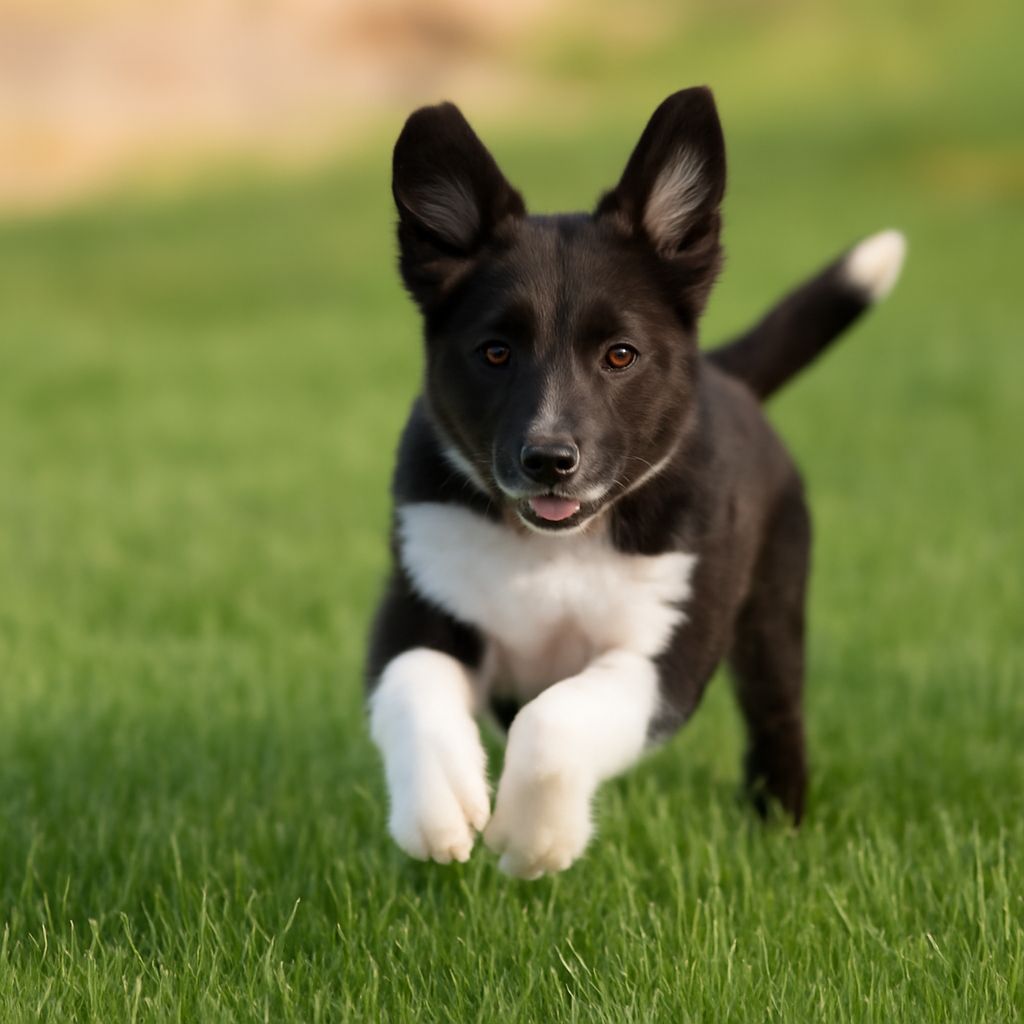
A ball pit for dogs works best with a kiddie pool or a rigid plastic container filled with small, durable plastic balls. The balls should be large enough that your dog cannot swallow them. Supervision matters during the first sessions. Most dogs figure out the game within minutes: dig, root, and retrieve. This activity burns energy and satisfies foraging instincts, which reduces boredom-related chewing and barking.
For smaller breeds like the papillon, whose price reflects a delicate build, choose softer lightweight balls to avoid any risk of impact injury. Wash the balls monthly with mild soap and let them dry completely before reuse.
Keeping Nails and Coat in Good Shape
Using Dog Nail Polish Safely
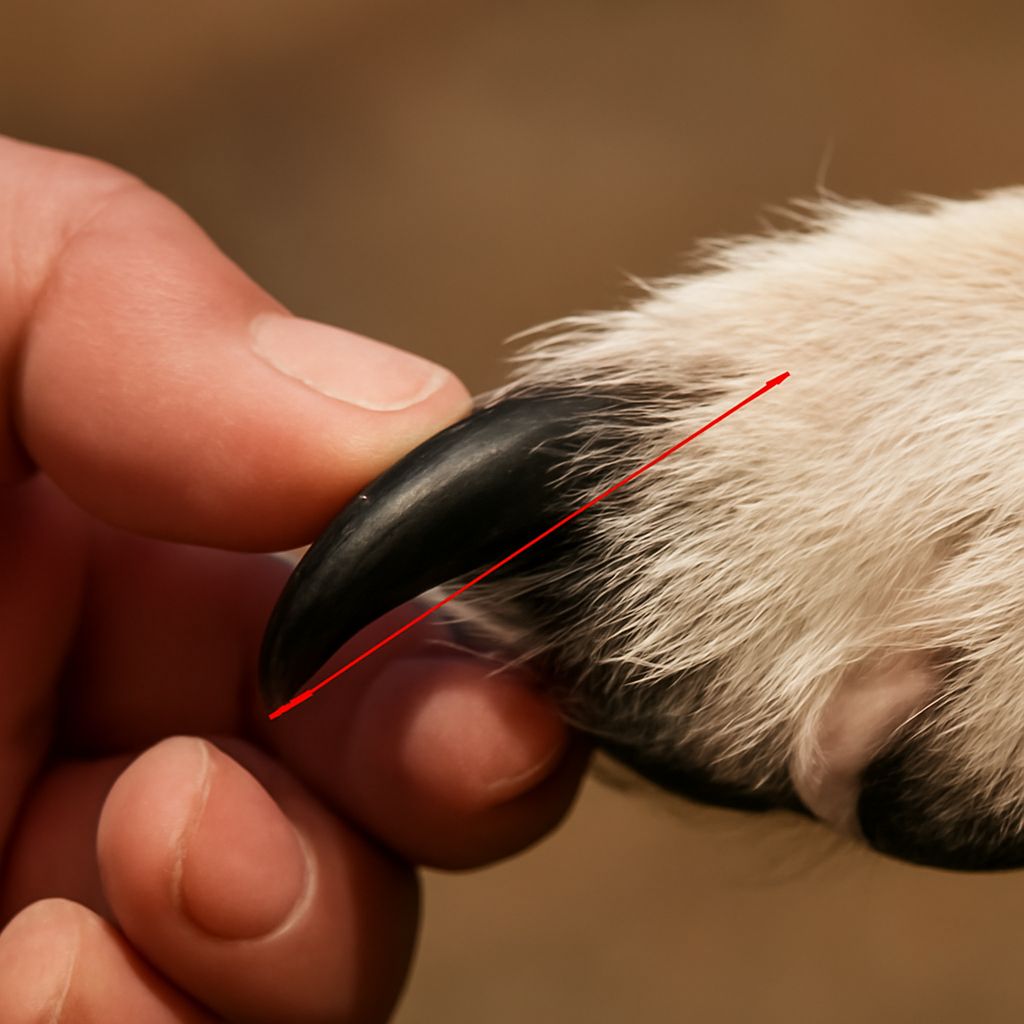
Pet-safe nail polish comes in water-based formulas that dry quickly and peel off cleanly. Apply only to clean, dry nails using a thin coat. Avoid any product containing formaldehyde, toluene, or dibutyl phthalate. If your dog shows interest in licking the nails before the polish dries, distract with a chew or hold the paw gently elevated for two to three minutes. Consult your groomer if you want a professional finish.
Addressing Dog Odor at the Source
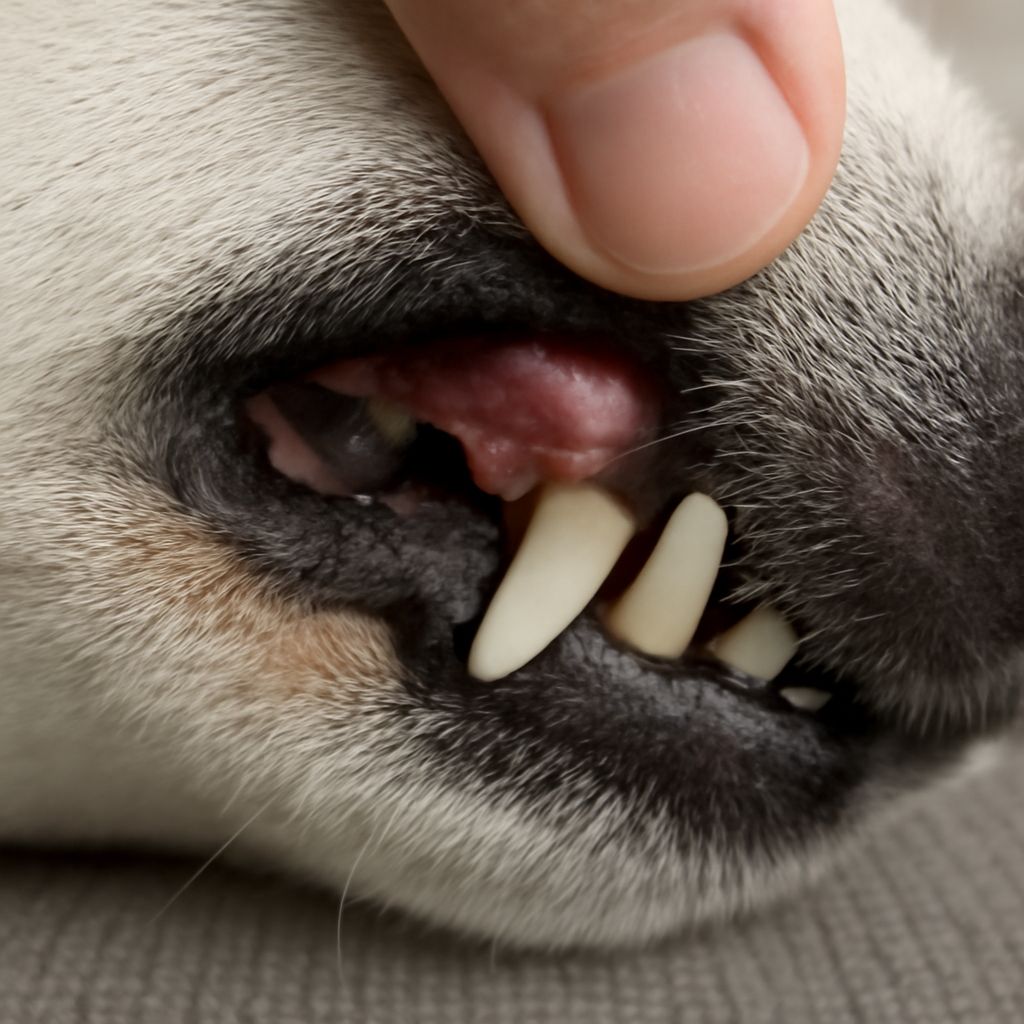
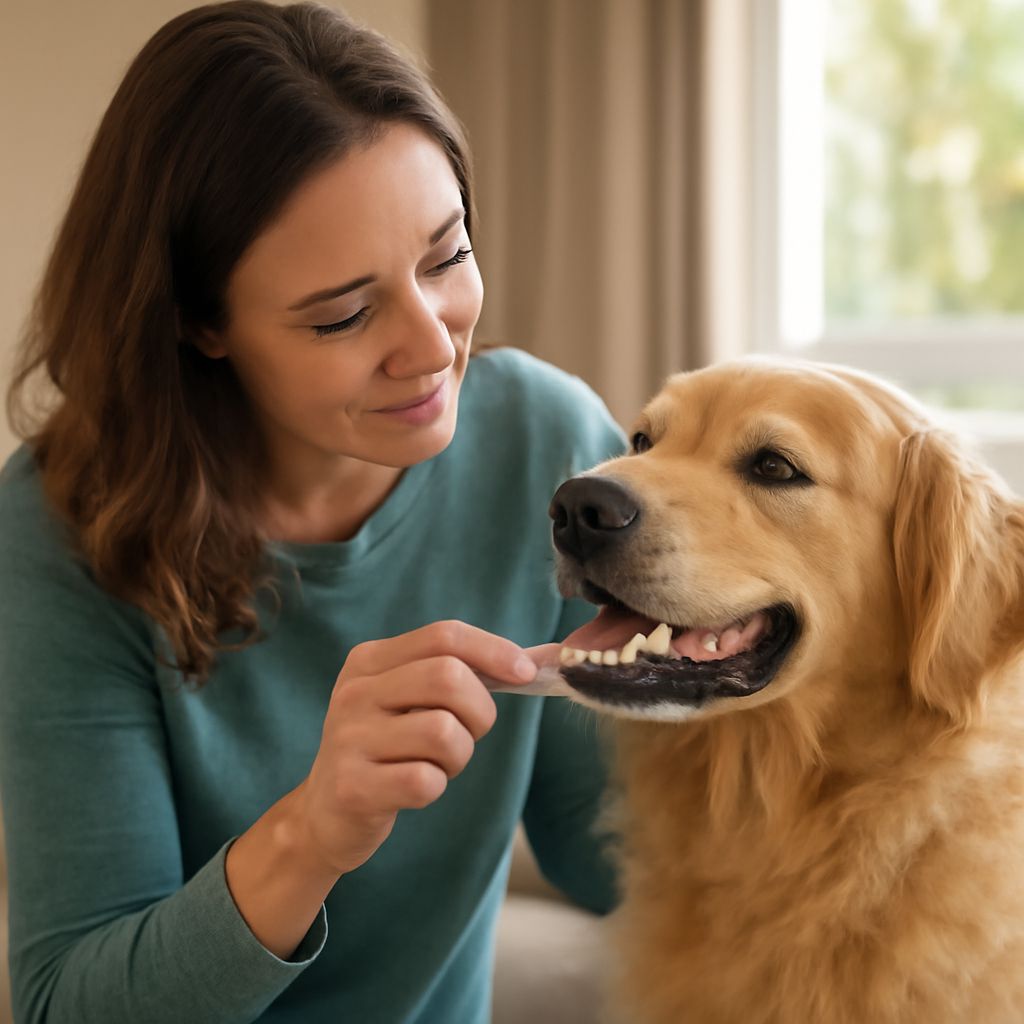
Persistent smell on a dog usually comes from the coat, ears, anal glands, or dental disease, not just lack of bathing. Effective dog odor remedies target the source: enzymatic shampoos break down odor-causing bacteria on the coat, regular ear cleaning prevents yeast buildup, and routine dental hygiene reduces mouth odor. A dog with ongoing smell despite regular baths deserves a veterinary check to rule out skin infection or internal causes.
Deodorizing sprays between baths can help, but they mask odor rather than eliminating it. For lasting results, combine consistent grooming with a diet that supports skin health, including appropriate omega-3 levels. If smell persists, a vet visit is the right next step rather than adding more products.
Understanding Dog Nip and Calming Options
Dog nip products sold commercially contain ingredients like valerian root or chamomile, not actual catnip. These formulas may have a mild calming effect in some dogs, but results vary widely. No herbal supplement replaces behavioral training or veterinary guidance for genuine anxiety. If your dog shows extreme reactivity or stress, discuss options with a veterinarian rather than relying on nip-style products alone.