Cat Panting Like a Dog: Causes, Sounds, and What to Watch For
A cat panting like a dog is not normal behavior, and most owners notice it immediately. Unlike dogs, cats rarely open-mouth breathe at rest, so when yours does, it signals something worth investigating rather than dismissing. Prairie dog sounds and dog sounds in words are commonly discussed online, but feline respiratory changes get far less attention despite being medically significant. If my dog sounds like he has a hairball after exertion, that may be benign, but the same open-mouthed breathing in a cat is a different matter. Pay attention too when my dog acts like he sees something and your cat mirrors that alert, tense posture alongside unusual breathing.
Cats are obligate nasal breathers. Panting the way a canine would after a run happens in cats only under stress, overheating, pain, or cardiac and respiratory disease. Understanding the distinction between a brief stress response and an ongoing problem can save your cat’s life.
Why Cats Open-Mouth Breathe
Heat and Physical Exertion
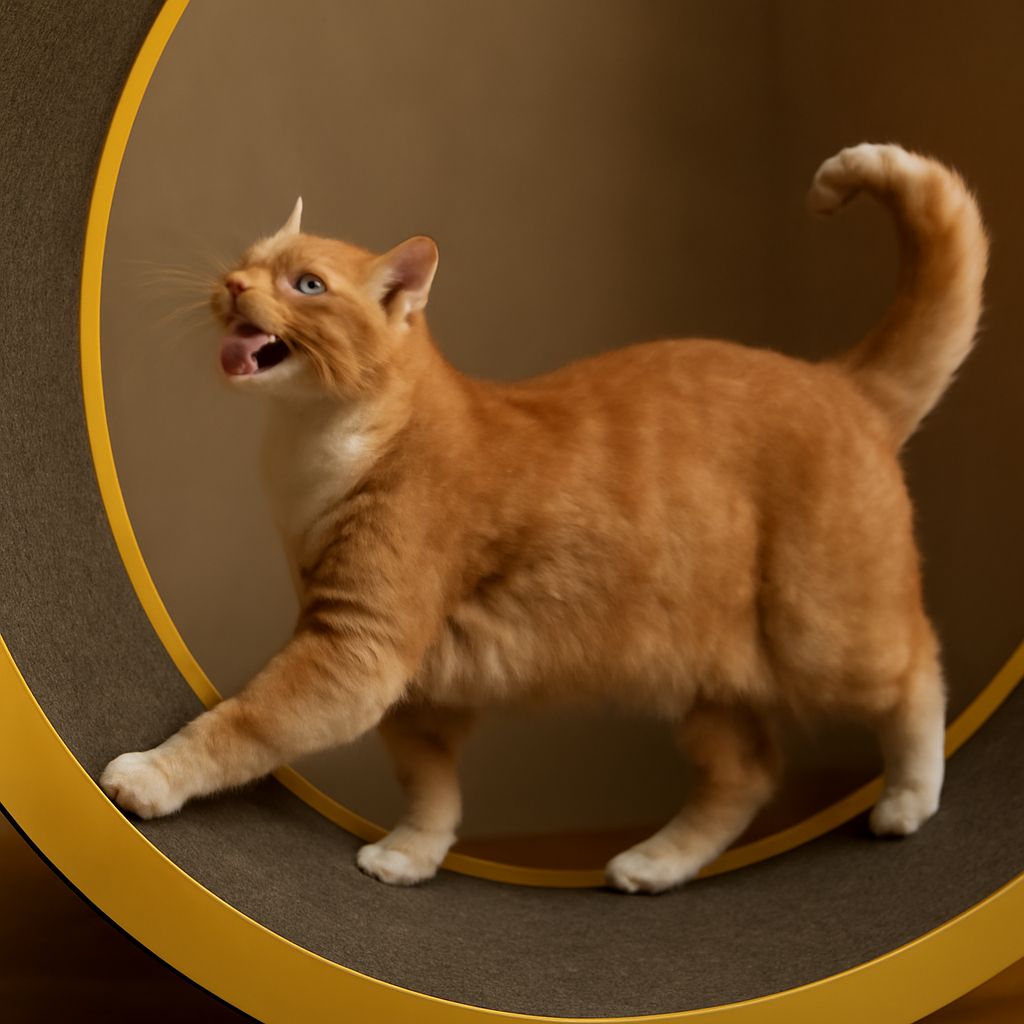
A cat that has been chasing toys hard or riding in a hot car may pant briefly. This open-mouthed breathing is the feline equivalent of what dogs do constantly, but in cats it lasts only a minute or two before resolving. If the panting continues beyond five minutes after the trigger is removed, treat it as urgent.
Stress and Anxiety
Vet visits, car rides, and loud environments cause acute anxiety. A stressed cat may breathe through an open mouth, hold a crouched posture, and vocalize with sounds somewhat like the wheezing or clicking you might describe when my dog sounds like he has a hairball. Calm the environment, reduce handling, and monitor breathing rate. A resting respiratory rate above 40 breaths per minute warrants veterinary contact.
Sounds Cats Make During Respiratory Distress
Feline respiratory sounds vary: wheezing, clicking, crackling, or a wet rattling quality. These differ from the sharp barks and yips that make up dog sounds in words like “woof” or “yip.” Cat respiratory noises tend to be softer and more continuous. A crackling or bubbling sound during breathing suggests fluid in the lungs, which is an emergency. A high-pitched wheeze points toward asthma or an upper airway obstruction.
Prairie dog sounds, by contrast, involve chirps and barks used for social communication, not respiratory distress. Comparing species helps clarify what is normal for each animal and why cat panting stands out so clearly to experienced owners.
Medical Causes That Require Veterinary Care
Feline Asthma
Asthma is the most common chronic lower airway disease in cats. Affected cats may wheeze, crouch with neck extended, and breathe with visible abdominal effort. Triggers include dust, smoke, and aerosol sprays. Management involves corticosteroids and bronchodilators prescribed by a veterinarian.
Heart Disease
Hypertrophic cardiomyopathy, the leading cardiac condition in cats, can cause fluid buildup around the lungs. Cats compensate well until the disease is advanced, so open-mouth breathing may be the first obvious sign. Prompt diagnosis with chest X-rays and echocardiography is essential.
Upper Respiratory Infections
Viral and bacterial infections block nasal passages, forcing mouth breathing. These cats often have discharge from eyes and nose, reduced appetite, and lethargy. Antibiotics and supportive care speed recovery.
When Your Cat Acts Unusually Alert Before a Breathing Episode
Some owners notice their cat acting hyper-vigilant, staring at nothing, and then beginning to breathe abnormally. This pattern, somewhat like when my dog acts like he sees something before a seizure, can precede feline neurological events or severe anxiety. Document these episodes with short video recordings to share with your veterinarian for accurate diagnosis.
Key takeaways: Cat panting is a medical red flag, not a quirk. Any open-mouth breathing at rest, lasting more than a few minutes, or paired with labored effort needs same-day veterinary evaluation. Identifying respiratory sounds accurately and noting behavioral changes before episodes gives your vet the clearest picture for diagnosis and treatment.