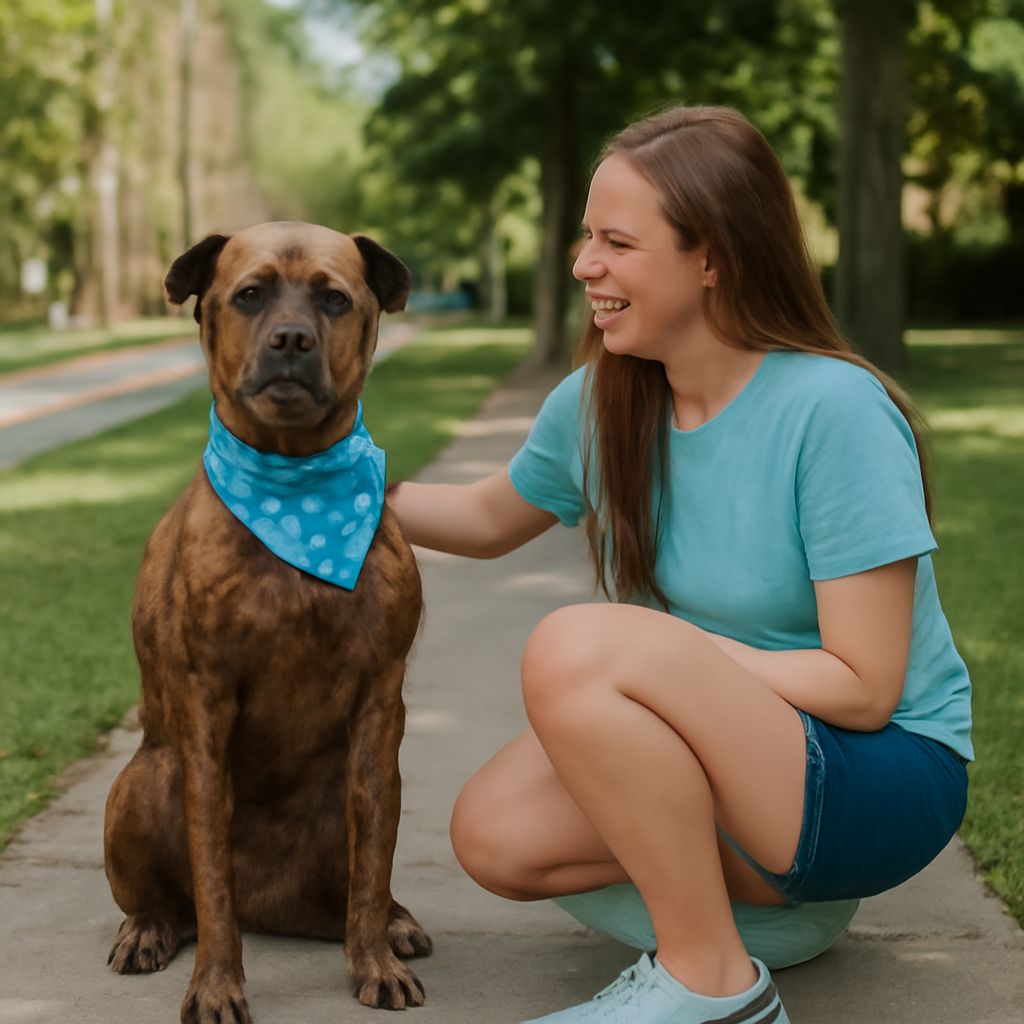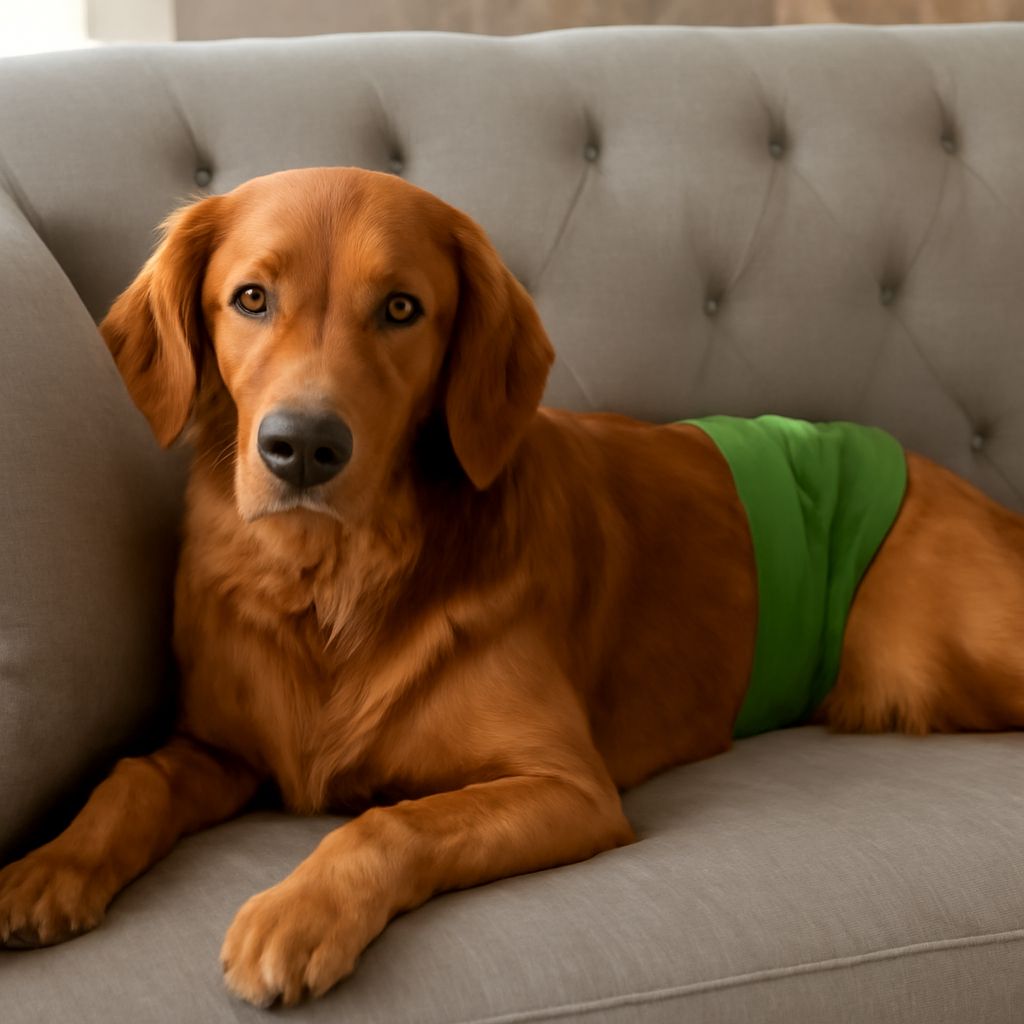
A belly band dog wrap is a practical solution for male dogs that mark indoors, have weak bladder control, or are recovering from surgery. A male dog belly band fits around the abdomen and covers the prepuce, absorbing urine before it reaches furniture or flooring. The product has nothing to do with snoop dog vape accessories or entertainment merchandise despite the similar branding language seen online. A dog tire toy keeps a dog occupied during crate time, while a belly band addresses a hygiene and management need. Pet oxygen masks are emergency tools used by first responders, which shows how broad dog accessory categories have become. Understanding what belly bands are actually for prevents misuse and sets owners up for success.
Belly bands do not train a dog not to mark. They are a management tool used while training is in progress or when full bladder control is not possible due to age, injury, or medical condition. Using one without also working on the underlying behavior or consulting a veterinarian about incontinence leaves the root problem unaddressed.
When to Use a Belly Band
Urine Marking Indoors
Intact and recently neutered male dogs often mark vertical surfaces with small amounts of urine. The behavior is hormonally driven and can persist for weeks after neutering. A male dog belly band catches the urine during the transition period while training and hormonal changes take effect. Consistent supervision paired with a belly band and positive reinforcement for eliminating outdoors is the complete approach.
Urinary Incontinence
Senior dogs and those with spinal injuries, neurological conditions, or post-surgical bladder weakness benefit from belly band coverage during recovery or permanently. A veterinarian should evaluate any dog with new-onset incontinence before a belly band becomes a long-term fix, as treatable causes like urinary tract infections or hormone-responsive incontinence respond well to medication.
Choosing the Right Belly Band
Fit is the priority. Measure the dog’s waist at the widest point of the abdomen and compare to manufacturer sizing charts. A band that is too loose shifts out of position; one that is too tight causes skin irritation. Most belly bands use hook-and-loop closures for adjustability. Washable fabric bands with an absorbent inner layer and a waterproof outer layer work better than disposable options for daily use, both cost-effectively and environmentally.
Change the band as soon as it becomes wet. Leaving a soiled band in place causes skin maceration, bacterial growth, and significant discomfort. For active dogs, a snugger fit with a leg strap prevents the band from sliding during movement.
Cleaning and Maintenance
Washable belly bands tolerate machine washing on a gentle cycle with warm water and fragrance-free detergent. Air drying preserves the waterproof layer longer than machine drying. Inspect the band for wear, odor retention, and hook-and-loop degradation after each wash. Replace bands when they no longer lie flat, when absorbency drops, or when the closure no longer holds securely. Having three to four bands in rotation ensures one is always clean and dry.
Check the dog’s skin underneath the band daily. Redness, hair loss, or discharge between the prepuce and band indicates irritation requiring a break from band use and potentially a veterinary visit to rule out infection.
Bottom line: A belly band dog wrap manages urine indoors effectively when used correctly alongside training or veterinary care. Choose washable bands sized precisely for your dog, change them promptly when soiled, and inspect the skin daily to prevent irritation.