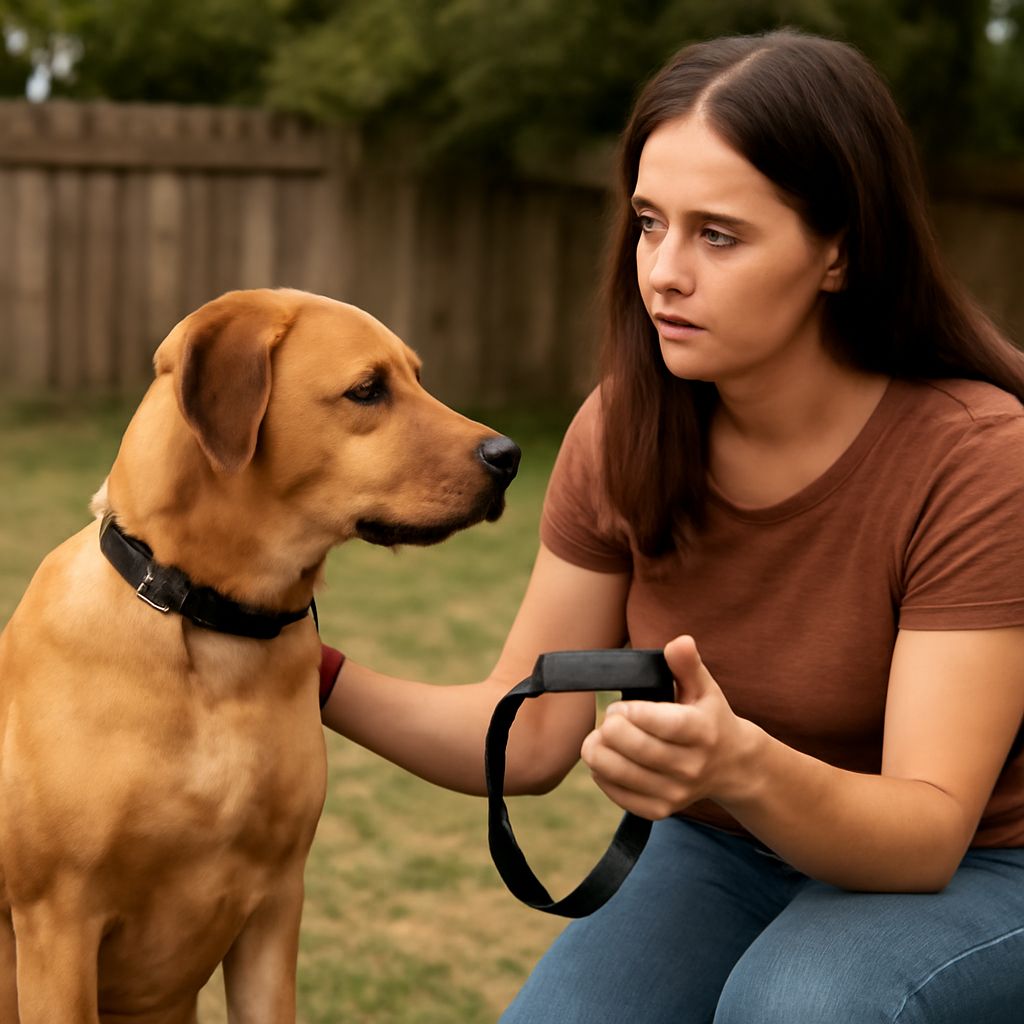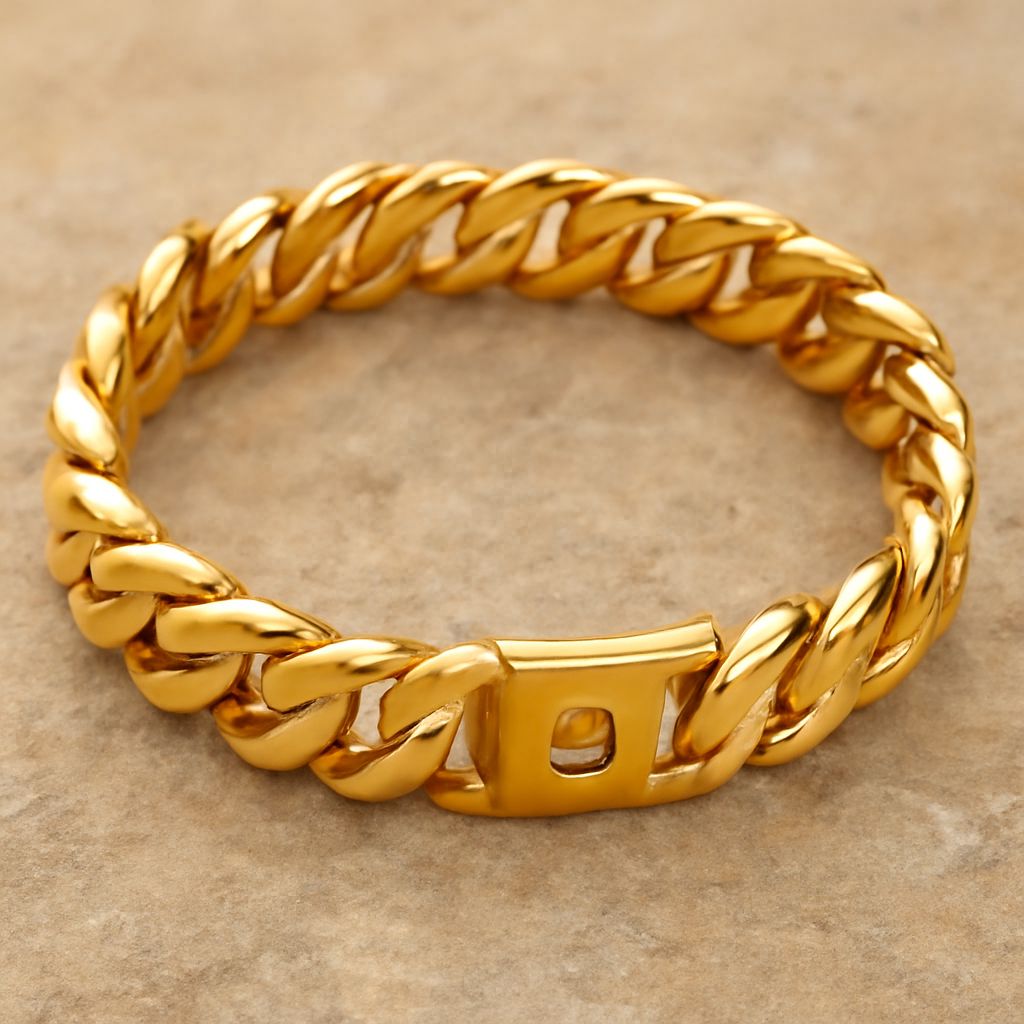
A gold dog collar has become one of the most popular style choices for dog owners who want their pet’s gear to reflect a certain aesthetic, but the material and construction behind the look matters far more than most buyers consider. A gold dog chain with heavy links might look striking, but the weight of the hardware relative to your dog’s size can cause neck strain or discomfort over time. A dog chain leash made from low-grade metal can corrode, lose structural integrity, or develop sharp edges. And despite what the term might suggest, big dog meaning in the collaring context does not simply mean any large breed, it refers to specific use cases like working dogs or fashion-forward large breeds where heavier hardware is appropriate. Understanding how to choose the right big dog chains and collar styles requires looking past the finish.
This guide covers materials, sizing, safety, and practical use so you can select gear that works as well as it looks.
Gold Dog Collar Materials: What Is Actually Gold?
Gold-Plated vs. Solid Metal Options Most gold-colored dog collars use brass hardware, gold-plated zinc alloy, or stainless steel with a gold finish. None are solid gold, which would be impractical due to softness and cost. Gold-plated options look identical to solid metal at purchase but wear through over months of use, especially at contact points like D-rings and buckles. Brass hardware is heavier and more durable than plated zinc alloy and is the better choice for active dogs.
When comparing gold-finish collars, check whether the hardware is cast or welded. Welded D-rings and buckle attachments hold up better under pressure than cast ones, which can crack under sudden loading forces from a dog lunging on a leash.
Chain vs. Leather and Nylon with Gold Hardware
A chain collar made entirely of linked metal distributes pressure across multiple contact points. For most pet dogs, this is unnecessary and potentially uncomfortable. Leather or nylon collars with gold-tone hardware give a similar visual result with better everyday comfort. True chain collars are more common in training contexts or show dogs where tradition or specific handling techniques apply.
Dog Chain Leashes: When and How to Use Them
A dog chain leash is durable and resistant to chewing, which makes it useful for dogs that have destroyed nylon or leather leashes. However, the weight of a chain leash adds fatigue to the handler’s wrist over long walks and can clank uncomfortably if not sized correctly. Lightweight chain leashes with gold-tone finishes are available for owners who want the aesthetic without the heft of heavy-duty training versions.
Match leash weight to your dog’s size. A delicate chain leash on a large pulling dog will deform at the clasp. A heavy chain on a small breed puts unnecessary weight on a lightweight collar and neck.
Choosing the Right Collar Weight for Large Dogs
Large breed dogs and what many people call “big dog” aesthetics are often associated with thicker, heavier chain hardware. The practical side of this is that larger dogs need stronger hardware to withstand pulling forces. A D-ring rated for 50 pounds of force is not appropriate for a 90-pound dog that pulls hard on leash.
When selecting big dog chain collars or leash hardware, look for manufacturer load ratings if available. Solid welded rings, heavy-gauge chain links, and robust clasps are the functional markers of quality in this segment. Style can follow once you have confirmed the hardware is appropriate for your dog’s size and behavior. Always measure your dog’s neck and add two inches for proper fit before ordering any collar online.