Most owners assume pet grooming tools from professional settings are too expensive or complicated for home use. That assumption keeps a lot of dogs in worse condition than they need to be. The best in show dog grooming world relies on specific tools chosen for precision and coat type, not on magic or brand reputation. Dog show photographers capture the results you see in competition: tight lines, clean coats, balanced silhouettes. Behind those images is methodical tool selection and technique. Pet grooming coupons make professional appointments accessible, but the interval between visits is where the right home tools pay off. The cow palace dog show draws some of the most skilled groomers in the country, and the tools they use are largely available to anyone willing to learn their purpose.
Another myth: one grooming brush works for all coat types. It does not. A slicker brush that transforms a Poodle coat does little for a Labrador. Matching tool to coat type is the first and most important step.
Core Tools Every Dog Owner Should Have
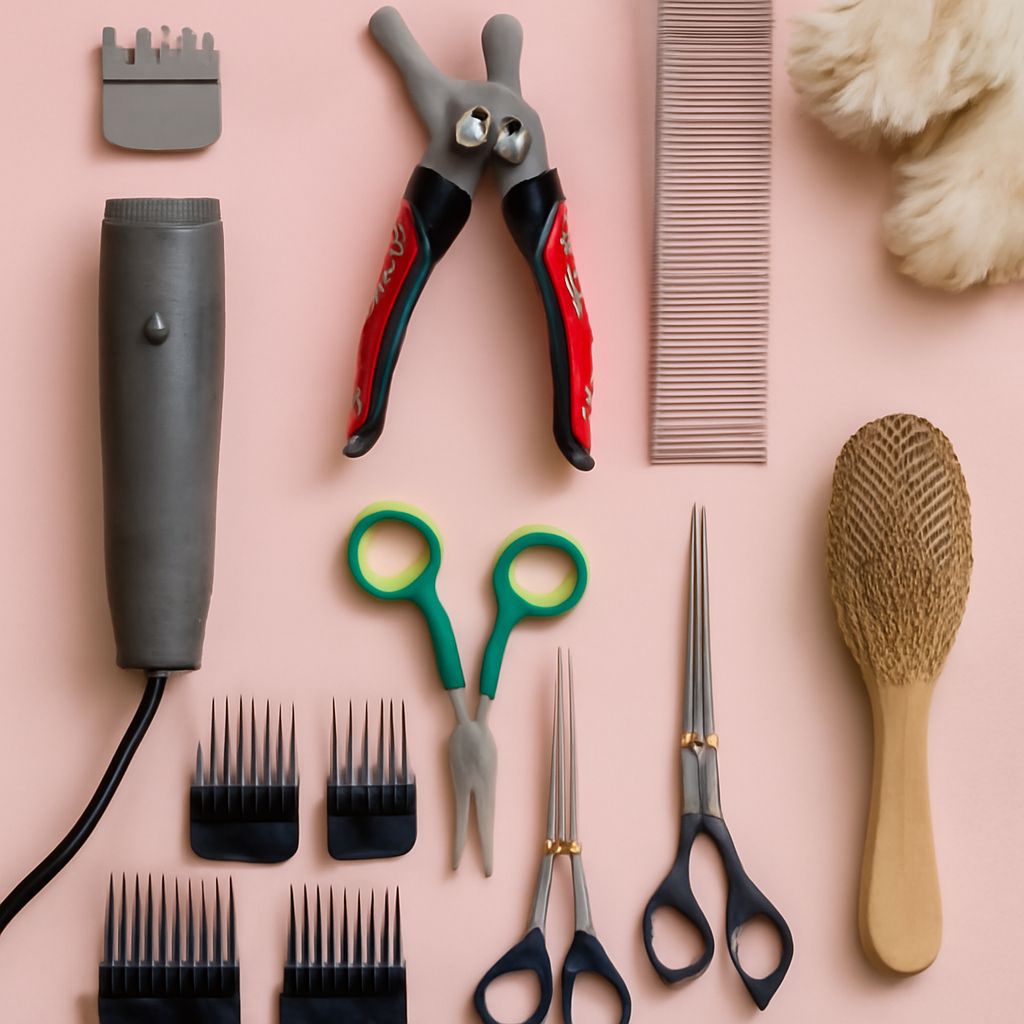
A slicker brush removes loose hair and mild tangles from medium and long coats. Use short, gentle strokes in the direction of hair growth. A bristle brush suits short-coated breeds and adds shine by distributing natural oils. An undercoat rake pulls dead hair from double-coated breeds like German Shepherds and Huskies, preventing mats and reducing shedding significantly.
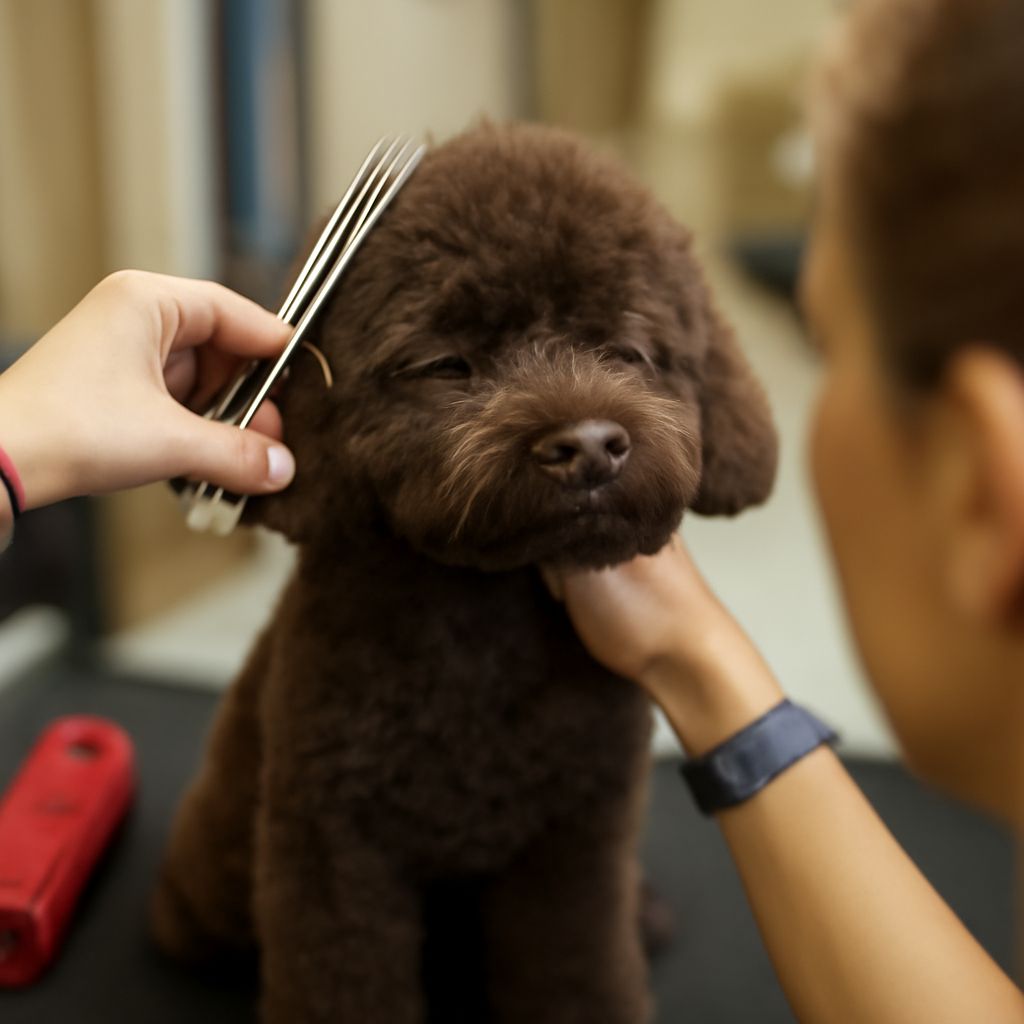
A stainless steel comb checks for tangles after brushing and works through areas the brush cannot reach, such as behind ears and under legs. A dematting tool handles moderate mats without requiring scissors. For serious matting, a licensed groomer should handle removal to avoid cutting skin.
Clippers, Scissors, and Finishing Tools
Pet grooming tools for trimming include cordless clippers with interchangeable blade lengths. The blade number determines the coat length left behind: a #10 blade leaves a very short coat, a #4 leaves more length. Blade selection varies by breed and season. Scissors come in straight and curved varieties. Curved scissors shape areas like the topknot and hindquarters. Straight scissors handle body lines and leg work.
A finishing spray conditions the coat after drying and reduces static, which affects how the coat photographs. Dog show photographers rely on proper coat finish as much as structure and outline. A fine-tooth flea comb also serves as a finishing tool, checking the skin surface and coat base for debris or parasites.
Using Pet Grooming Coupons and Show-Level Techniques at Home
Pet grooming coupons from salons often apply to specific services: baths, blowouts, or nail trims. Use them strategically for the labor-intensive tasks and handle brushing and ear cleaning between visits. This hybrid approach saves money without sacrificing coat quality.
Best in show dog grooming standards emphasize coat cleanliness, line definition, and natural movement. At home, this means brushing before bathing (never after, when tangles tighten), drying completely before putting the dog away, and using the right blade for the job. The cow palace dog show draws breeds with wildly different coat types, and the underlying principle is always the same: use the tool designed for the job and learn the technique that goes with it.
Safety recap: Always use pet-specific grooming tools. Human scissors and clippers are not designed for dog coat texture and increase the risk of cutting the skin. If you encounter severe matting, skin lesions, or a dog that reacts aggressively during grooming, consult a licensed groomer or veterinarian before continuing at home.