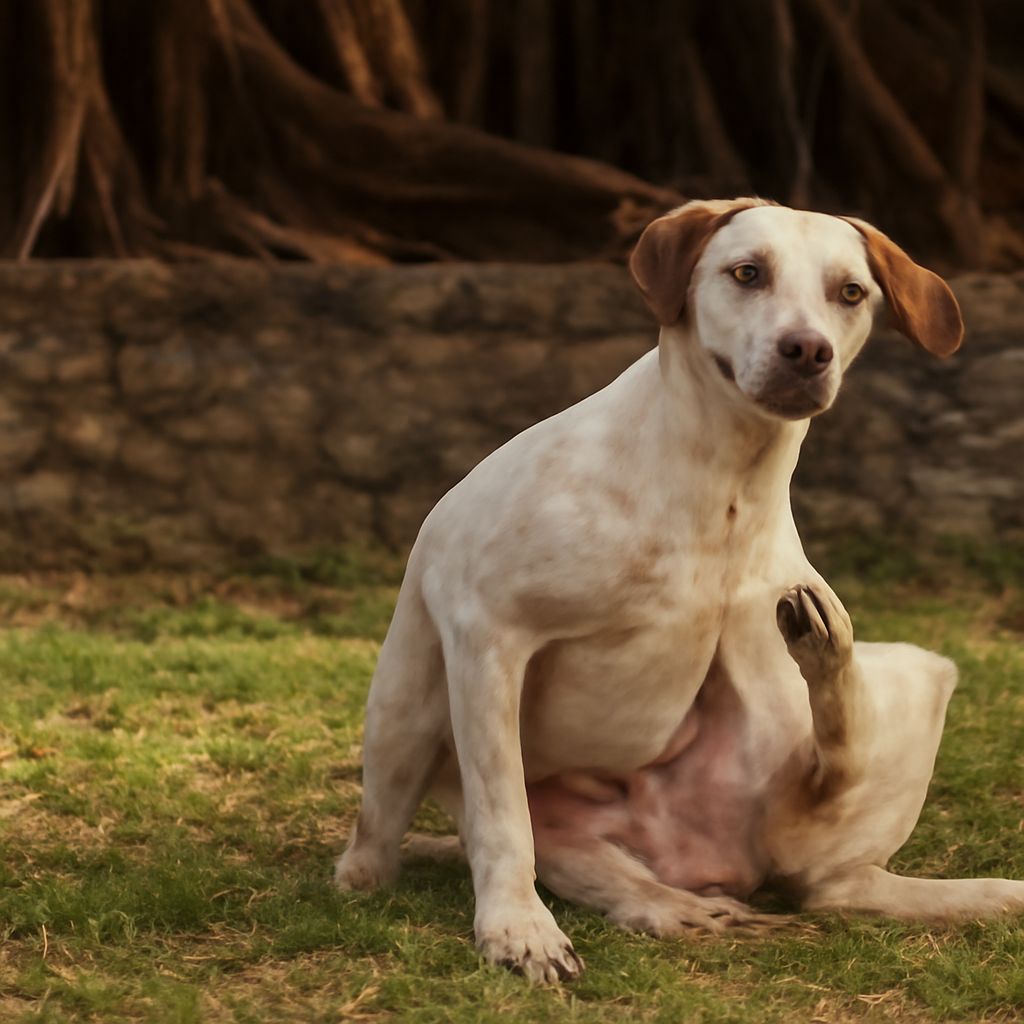
A dog scratching ear occasionally is normal, just as humans sometimes feel an itch. What is not normal is persistent, forceful scratching that causes redness, hair loss around the ear, or discharge. Many owners assume a dog keeps scratching ear because of allergies alone, but that single explanation covers only a fraction of cases. Ear mites, yeast overgrowth, bacterial infections, foreign bodies, and anatomical issues all produce the same outward behavior. Identifying the correct cause matters because each requires a different response. A dog itching ear from a yeast infection will not improve with mite treatment.
The myth that home treatment always works is worth addressing directly. Mild cases respond to cleaning and monitoring, but a dog keeps scratching ears for days without improvement needs veterinary attention. Untreated ear infections can progress to the middle ear, causing balance problems and permanent hearing changes. Act early.
Common Causes of Ear Scratching in Dogs
Infections and Overgrowth Bacterial infections are among the most frequent reasons a dog scratches at its ears. They typically follow moisture trapped in the canal, which is why water-loving breeds and dogs with pendulous ears are overrepresented in veterinary ear cases. Signs include a yellow or green discharge with a noticeable smell. Yeast infections produce a darker, waxy debris and a distinctive musty odor. Both require prescription ear drops from a veterinarian; over-the-counter washes will not clear an active infection.
Ear mites are more common in puppies and in multi-pet households. The debris they produce looks like coffee grounds, dark and dry, packed near the entrance of the canal. Dogs with mites scratch their ears aggressively and often shake their heads repeatedly. A vet can confirm mites under a microscope during a routine ear swab exam.
Allergies and Environmental Triggers
Environmental and food allergies frequently show up first in the ears and paws. A dog scratching ears repeatedly through spring or autumn, when pollen counts peak, is often responding to airborne allergens. Food sensitivities, particularly to common proteins like chicken or beef, can produce chronic ear inflammation. Allergy-related ear problems usually recur unless the underlying trigger is identified and managed. A veterinary dermatologist can guide allergy testing and dietary trials if your dog has repeated ear infections without a clear infectious cause.
How to Check and Clean Your Dog’s Ears Safely
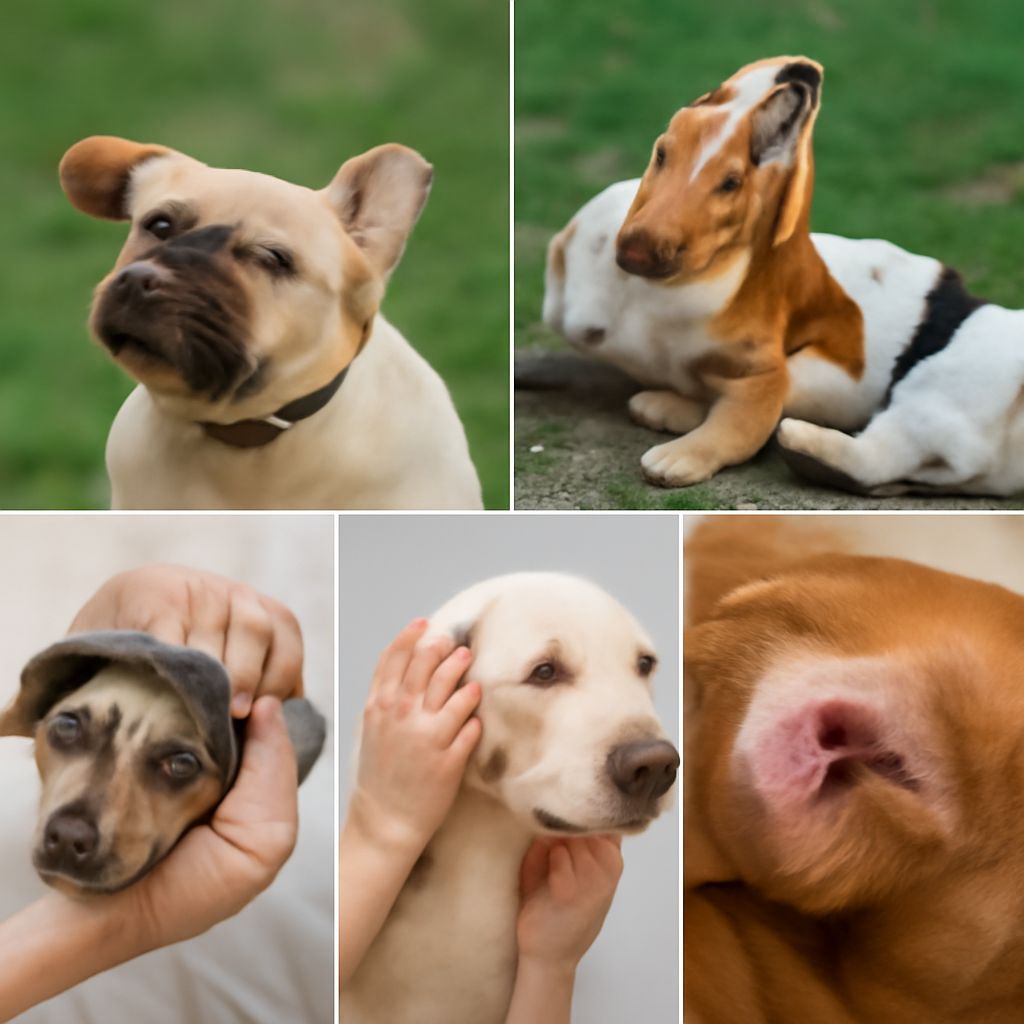
Healthy ears are pale pink, odorless, and free of visible debris. Inspect both ears weekly in breeds prone to problems. Use a vet-approved ear cleaning solution on a cotton ball to wipe the outer canal, never push cotton tips or any object deeper into the canal. If the ear looks red, swollen, or holds more debris than usual, stop and book a vet appointment rather than attempting deeper cleaning at home.
Routine cleaning helps prevent the moisture buildup that drives most infections. After swimming or bathing, dry the outer ear flap and the entrance to the canal with a soft cloth. Dogs with heavy ear hair may benefit from having excess hair trimmed by a professional groomer to improve air circulation, though this varies by breed recommendation.
Key Takeaways
Ear scratching with any discharge, odor, swelling, or balance changes in your dog warrants a vet visit within 24 to 48 hours. Mild, brief scratching with no other signs can be monitored for a day or two with a gentle cleaning. Consistent ear care is the most reliable way to keep ear problems from becoming recurring issues.