Figuring out what to feed dog with upset stomach is a situation most owners face at some point, and the instinct to offer something comforting from the kitchen isn’t wrong — but the choice matters. Many human foods that seem mild, like dairy or seasoned broths, make digestive upset worse rather than better.
What to give a dog for upset stomach comes down to easily digestible, low-fat, low-fiber foods that let the gut rest while still providing some nutrition. The basic principle behind what to feed a dog with an upset stomach is identical to what doctors recommend for humans with gastroenteritis: simple, bland, and low-bulk. What to feed a dog with upset stomach in the short term is different from long-term dietary management, and dog digestive problems remedies for recurring issues require a vet evaluation rather than repeated home treatment.
Bland Foods That Help Settle a Dog’s Stomach
Boiled Chicken and Rice
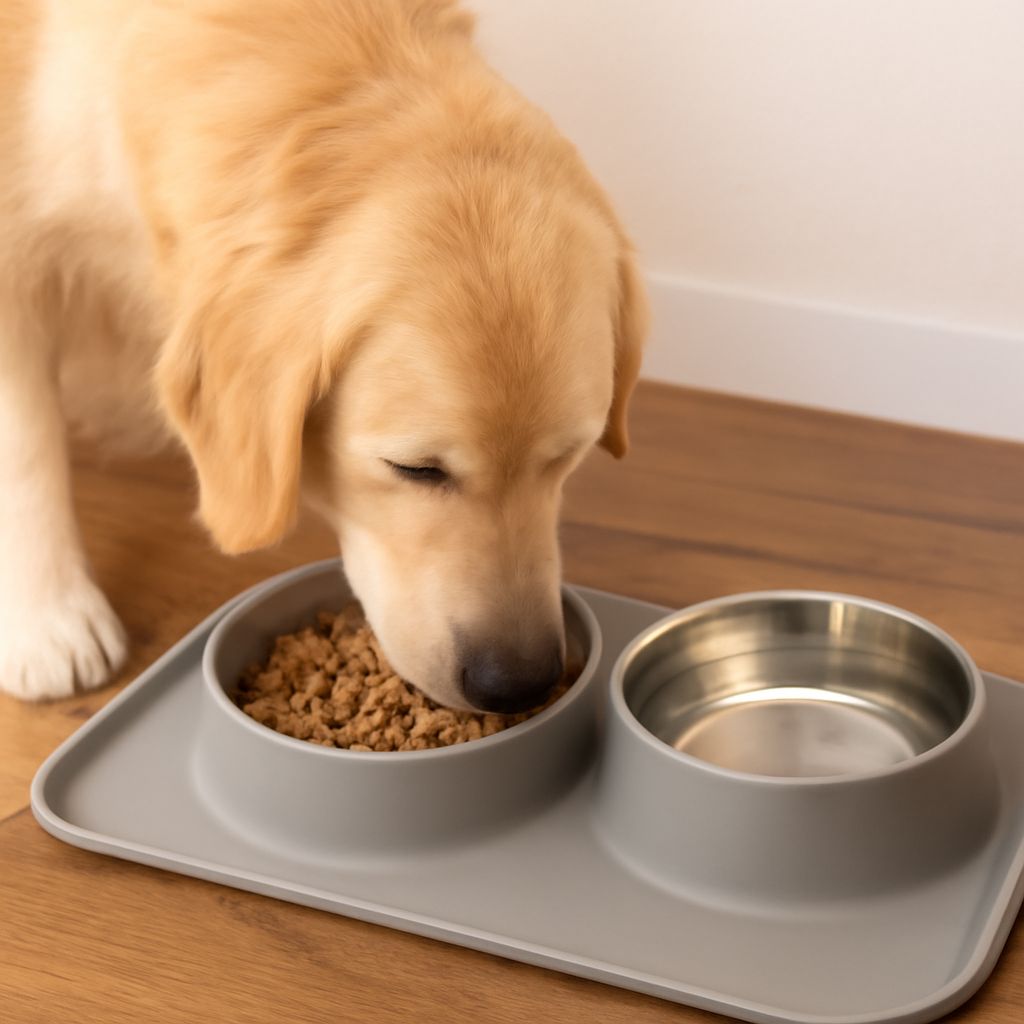
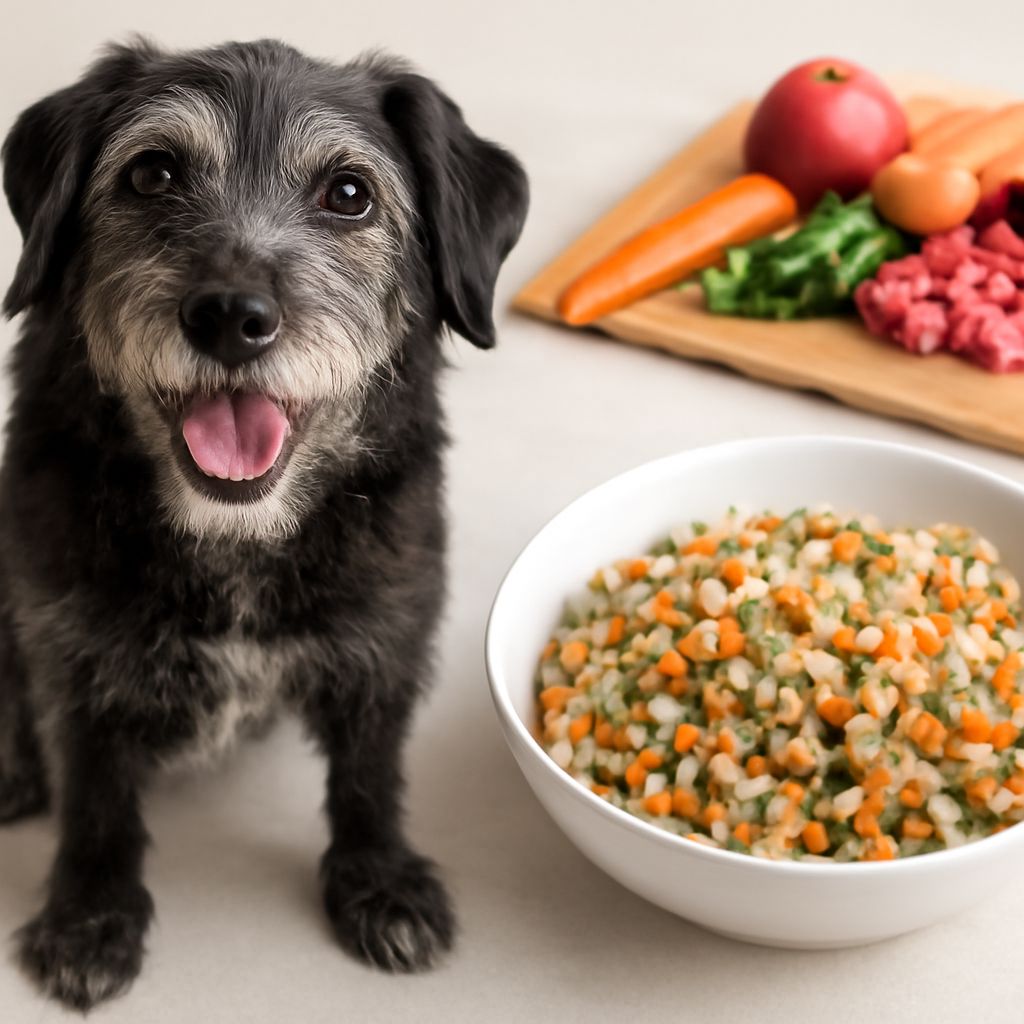
Plain boiled chicken and white rice is the most widely recommended short-term diet for dogs with stomach problems. Use boneless, skinless chicken breast cooked in plain water — no salt, no garlic, no onion, no broth additives. White rice is easier to digest than brown rice and produces less stool bulk, which reduces irritation to an inflamed gut lining. The ratio should be roughly one part chicken to three parts rice. Feed small meals every three to four hours rather than a full portion twice daily — smaller volumes are gentler on a nauseated stomach.
Plain Pumpkin
Canned plain pumpkin (not pumpkin pie filling, which contains spices and sugar) is one of the most useful dog digestive problems remedies available without a vet visit. It’s high in soluble fiber, which absorbs excess water in the gut and firms loose stools. Add one to four tablespoons depending on the dog’s size, mixed into the bland diet. Pumpkin also works for mild constipation — the same fiber that firms loose stool adds bulk and moisture when stools are too hard. Keep a can in the pantry as a standard first-response tool.
Other Safe Options
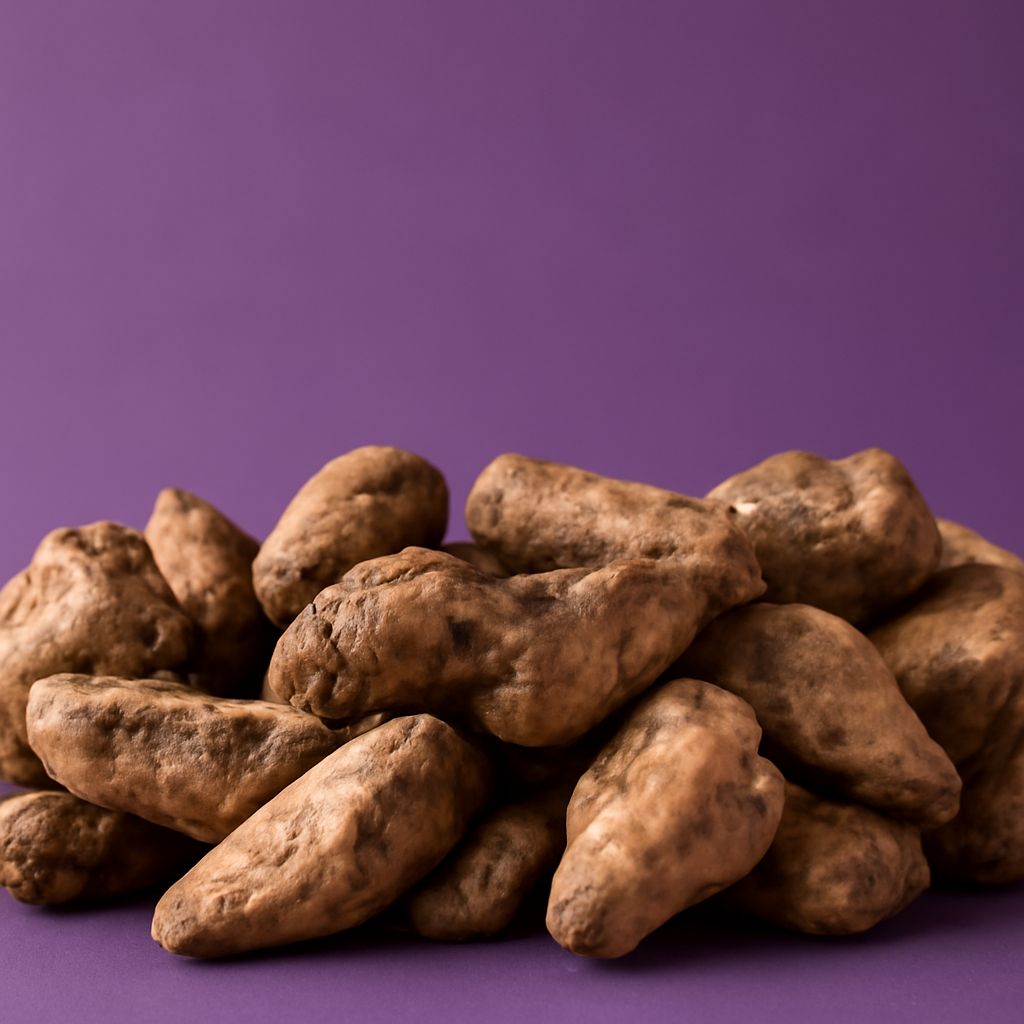
Boiled or mashed sweet potato (without skin or seasoning), plain scrambled eggs cooked without butter or oil, and plain cooked oatmeal are also gentle options when chicken and rice isn’t available. Baby food made from plain meat (check that it contains no onion or garlic powder) works for dogs reluctant to eat anything solid. Bone broth without onion, garlic, or salt added provides hydration and encourages eating when the dog is off food entirely.
What to Avoid When Your Dog Has Digestive Problems
Dairy is a common mistake — most adult dogs are lactose intolerant to some degree, and milk or cheese intensifies digestive upset. Fatty meats like ground beef or pork raise the risk of pancreatitis, especially in breeds already prone to it. Rich broths from the grocery store contain onion and garlic, both of which are toxic to dogs. Avoiding the dog’s normal kibble for the first twelve to twenty-four hours of stomach upset gives the gut a chance to reset before reintroducing regular food gradually over two to three days.
When Home Feeding Isn’t Enough
Consult a vet if the dog vomits more than twice in one hour, shows blood in vomit or stool, appears lethargic or in pain, or hasn’t improved after twenty-four to forty-eight hours on bland food. Puppies and senior dogs need earlier intervention than healthy adult dogs because they dehydrate faster. Persistent or recurring digestive issues need diagnostic workup — inflammatory bowel disease, food allergies, and intestinal parasites all require treatment beyond dietary management.
Key Takeaways
Boiled chicken, white rice, and plain pumpkin cover most mild stomach upsets effectively. Avoid dairy, fatty foods, and seasoned anything. If symptoms persist beyond forty-eight hours or include blood or severe lethargy, the dog needs veterinary care rather than continued home treatment.