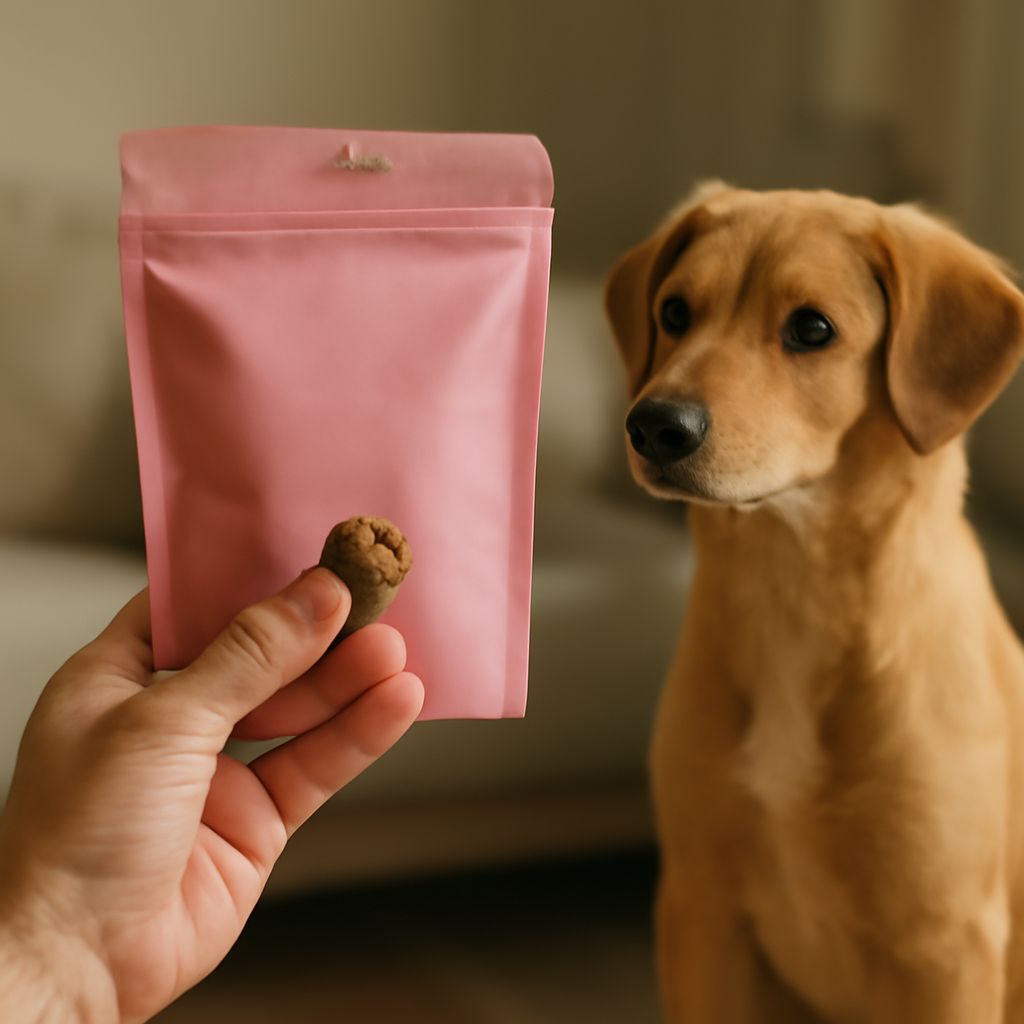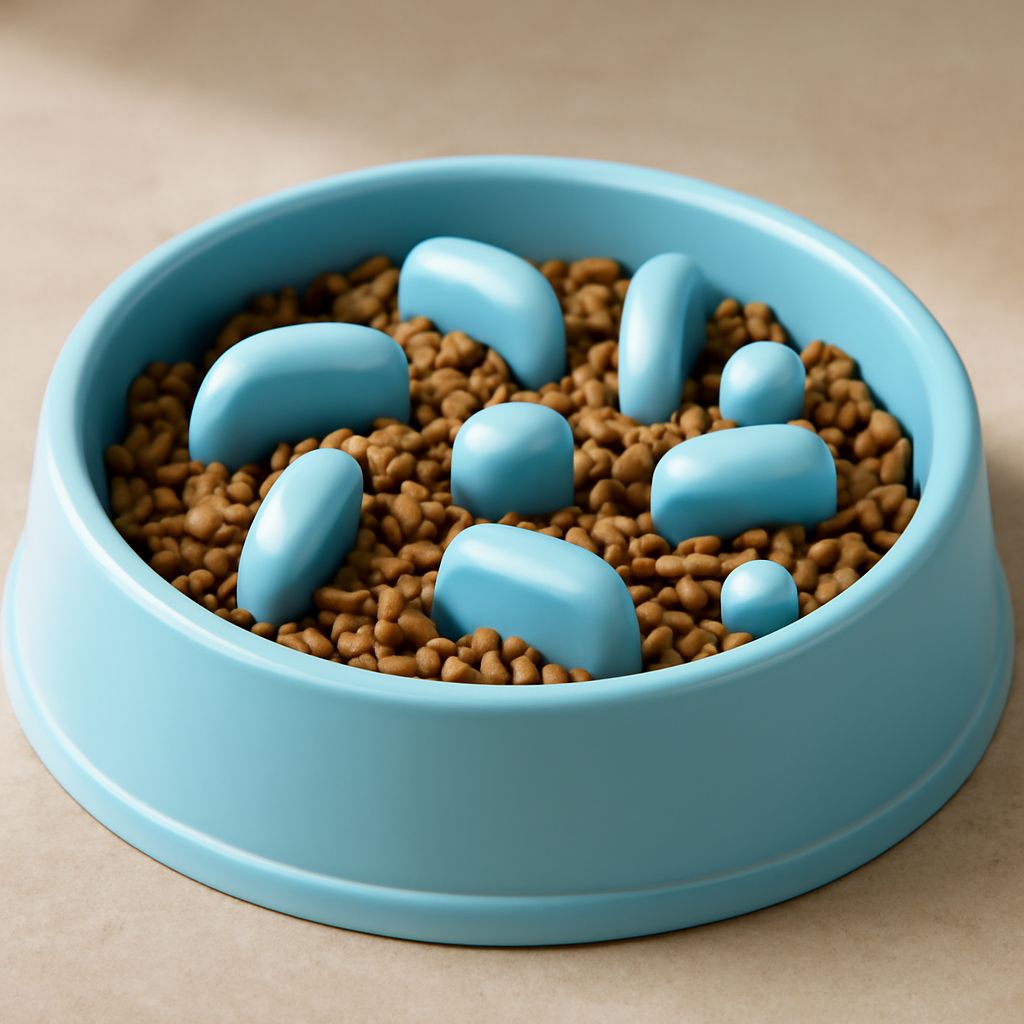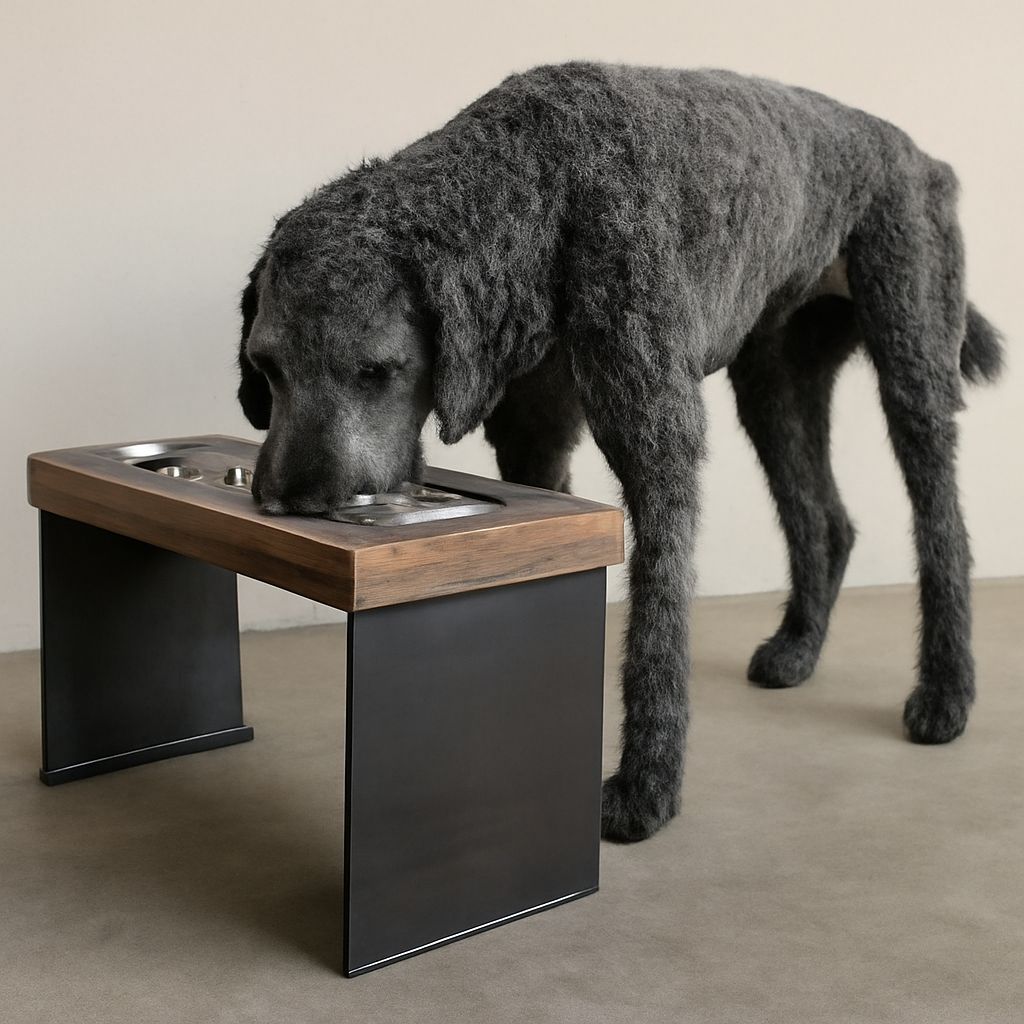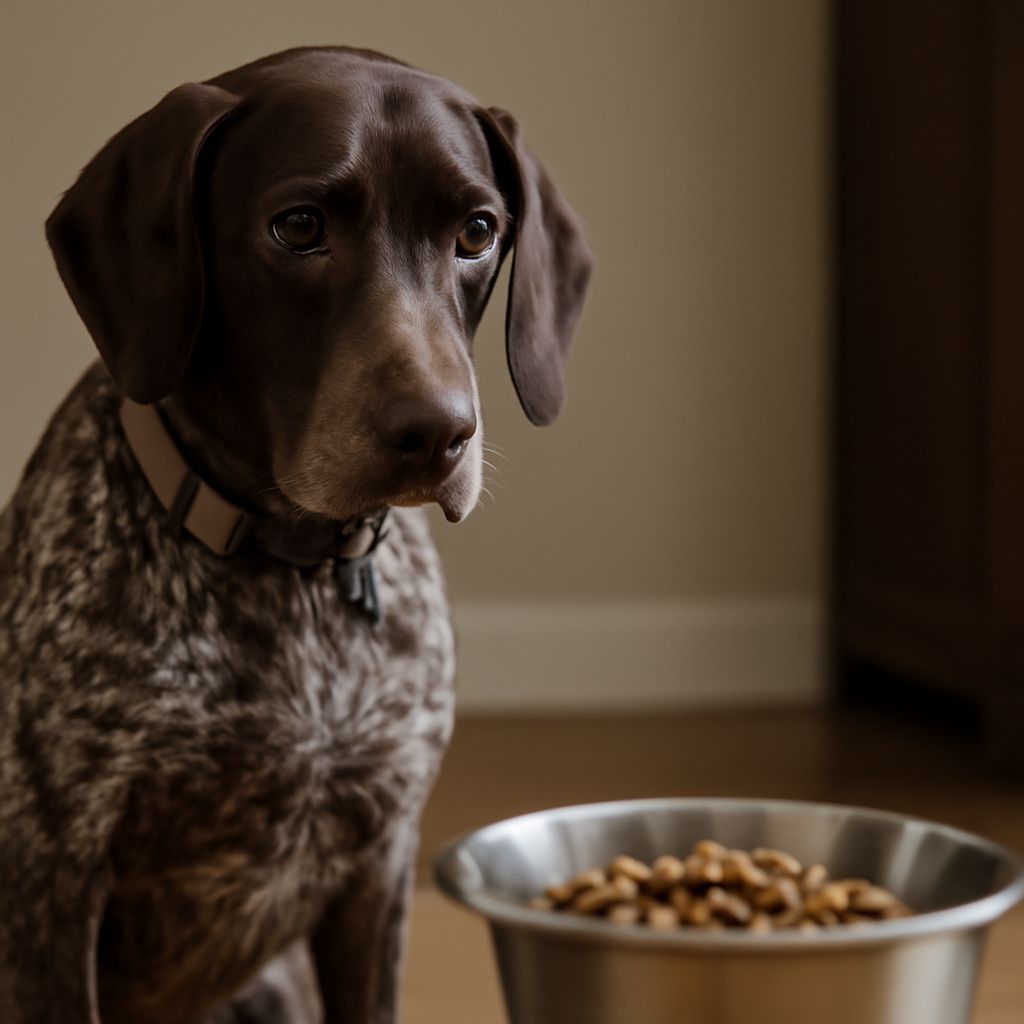
A dog won’t eat food for a surprisingly wide range of reasons, from something as minor as a change in routine to something requiring immediate veterinary care. Many owners assume that dog no appetite is always a sign of serious illness, but that’s not always accurate. My dog has no appetite after a vaccine or a stressful event is common and typically resolves within a day or two. Dog lack of appetite tied to dental pain, nausea, or a new medication is also frequent and manageable once the underlying cause is addressed. Dog sudden loss of appetite, however, especially in a dog that normally eats well, is a different situation and warrants prompt attention.
Common Reasons a Dog Stops Eating
Behavioral and Environmental Causes Dogs are sensitive to changes in routine, household stress, and even the presence of new animals or people. A move to a new home, a change in schedule, or a new food bowl in a different location can trigger short-term food refusal. Some dogs are simply picky and will skip a meal if their usual food is mixed with something new or if the bowl smells differently. These situations rarely last more than one to two days and do not require medical intervention.
Medical Causes That Need Attention
Persistent appetite loss, meaning a dog that has not eaten normally for more than two days, signals a need for veterinary evaluation. Dental disease is one of the most common and overlooked causes: a dog with a broken tooth or infected gum will avoid eating because it hurts. Gastrointestinal issues, kidney disease, liver problems, pancreatitis, and pain from any source can also reduce appetite. Fever, lethargy, vomiting, or diarrhea alongside food refusal makes the situation more urgent. Do not wait more than 48 hours before calling a vet if additional symptoms are present.
What to Try Before the Vet Visit
If your dog skips one meal but otherwise seems normal, offer the usual food again at the next scheduled time without adding toppings or switching foods. Dogs that learn meal skipping earns a tastier alternative will skip meals intentionally. If the food has been stored for a long time or exposed to heat, check whether it smells rancid. Dry kibble that has absorbed moisture or oxidized loses palatability quickly.
Warming wet food slightly increases its scent and can encourage a mildly disinterested dog to eat. Adding a small amount of low-sodium broth over dry kibble is another option for short-term encouragement. These are not long-term solutions. If appetite does not return within two days, or sooner if the dog seems unwell, a vet visit is the right call.
When to Act Immediately
Some situations require same-day veterinary care rather than a wait-and-see approach. A dog that suddenly stops eating and also shows bloating, retching without vomiting, or extreme restlessness may have gastric dilatation-volvulus (GDV), a life-threatening condition. Toy breeds and small dogs that go without food for more than 24 hours are at risk of hypoglycemia. Puppies should never go more than 12 hours without eating.
Key takeaways: Short-term appetite loss after stress or a vaccine is common and usually resolves quickly. Persistent loss of appetite lasting more than two days, or any refusal accompanied by vomiting, lethargy, or bloating, needs a veterinary exam. Warming food or adding low-sodium broth can encourage eating short-term, but these are not substitutes for diagnosis.