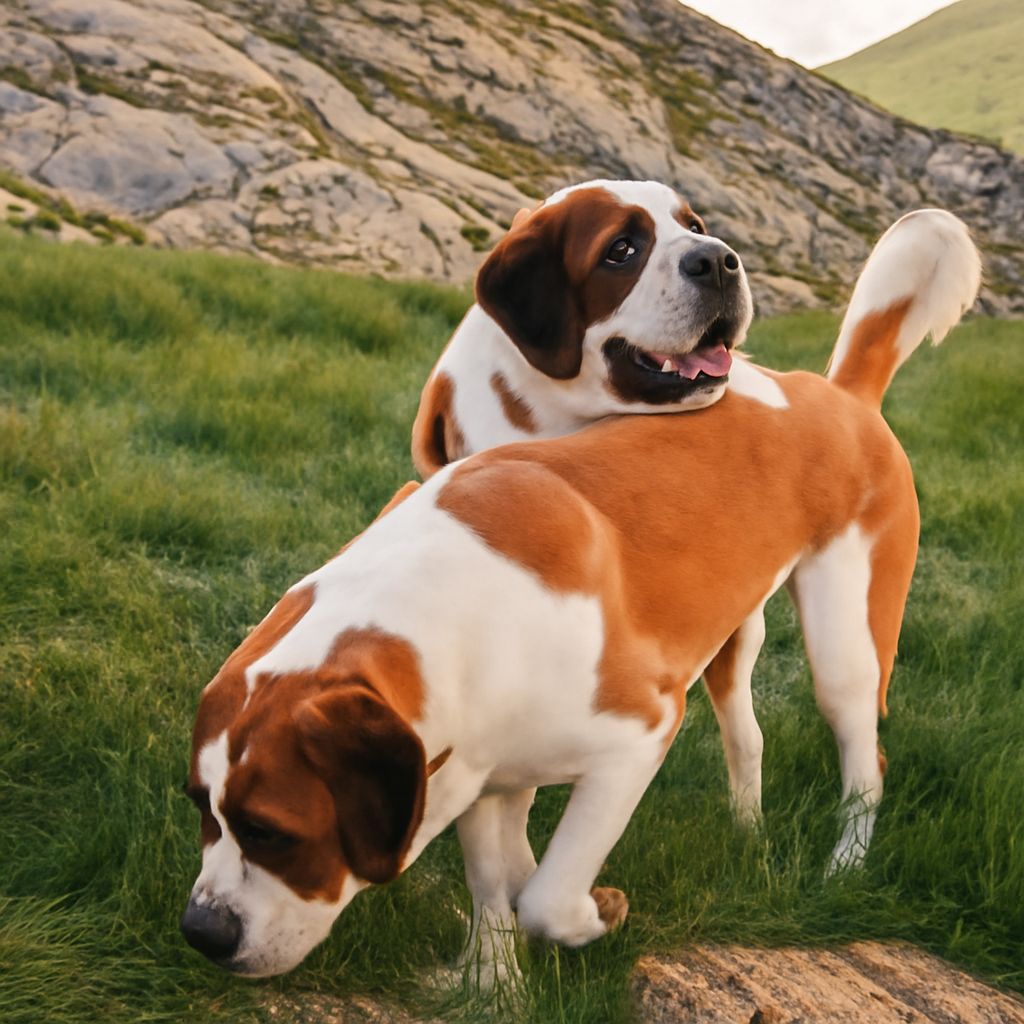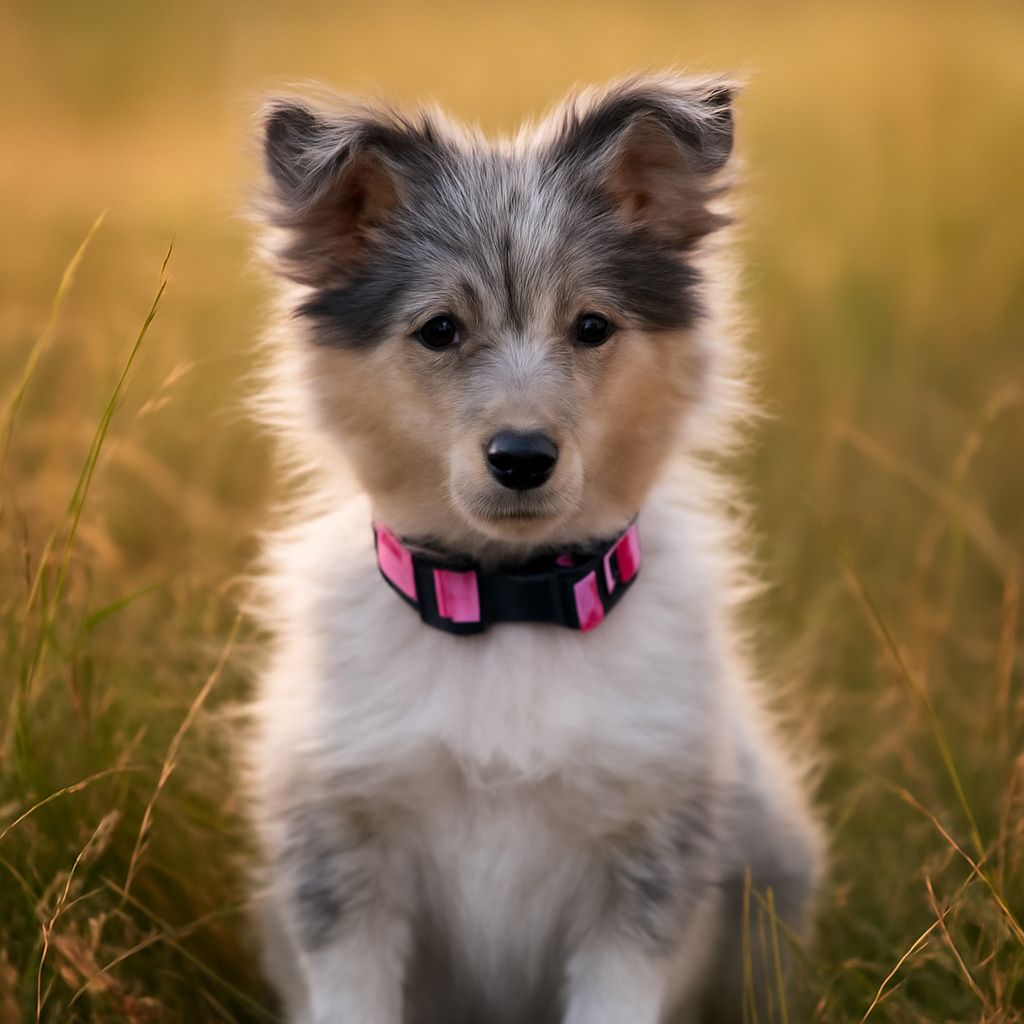
Want a shaggy companion without a house covered in fur? These terriers from Tibet tend to shed lightly, but their long double coats need regular attention. Expect an affectionate, alert dog who enjoys daily activity and a standing appointment with a brush.
Tibetan Terriers and Their Everyday Personality
A Tibetan terrier dog is a medium-sized companion with a sturdy, nearly square build and large, flat feet. Despite the name, the breed is not a true terrier. It originated in Tibet, where dogs were valued as companions and watchdogs.
Adults typically stand about 14 to 17 inches at the shoulder and weigh roughly 18 to 30 pounds, according to VCA Animal Hospitals. Individual dogs vary, and a healthy weight depends on their frame. You should be able to feel the ribs under a light covering of tissue; ask your veterinarian to help assess body condition if the coat makes it hard to judge.
These Tibetan companion terriers are often devoted to their families, sensitive to the mood around them, and initially reserved with strangers. An alert bark may announce a visitor before the doorbell gets its turn. Temperament varies, so meet an individual dog and ask a breeder or rescue about its behavior before making a match.
Early, positive exposure to people, everyday sounds, and calm dogs can help a puppy build confidence. Let your dog approach at its own pace, reward relaxed curiosity, and give it room to retreat. With children, teach both sides: children should avoid pulling hair or crowding a resting dog, while adults supervise interactions.
Activity and Training That Fit Real Life
A Tibetan breed with a terrier name can be playful and clever, yet it still needs a predictable routine. Plan on daily walks, time to sniff, and games or short training sessions. A relaxed stroll around the same block may be less engaging than a walk with chances to investigate safe new smells.
Start with a manageable outing and adjust to your dog’s age, health, fitness, and the weather. A healthy adult may enjoy a longer walk or a hike, while a puppy needs shorter, age-appropriate activity and plenty of rest. Ask your veterinarian about suitable exercise if your dog has mobility or health concerns.
Reward-based training works well for teaching a recall, a settle cue, and polite greetings. Use small treats, praise, or a favorite toy, and keep sessions short enough to end while your dog is engaged. Practice in a quiet room before adding distractions. If barking at a window becomes a habit, limit the view when you cannot supervise and reward quiet moments before inviting the dog to another activity.
Shedding: What Lands on Your Floor?
So, do Tibetan terriers shed? Yes. They lose some hair, although many owners see relatively little loose hair around the home. Some shed hair can remain caught in the coat, where it contributes to tangles. The amount you notice varies with the individual dog and its coat condition.
How much does a Tibetan terrier shed when brushed? You may collect loose hair in the brush even if the sofa looks relatively clean. Check the coat close to the skin rather than judging its condition by the tidy surface. Sudden heavy hair loss, bald patches, redness, or persistent itching are reasons to contact your veterinarian.
Low shedding also does not make a dog allergy-free. Proteins in dander, saliva, and urine can trigger reactions. If someone in your household has allergies, spend time with an individual dog before committing and discuss the situation with an allergist. Regular cleaning and a plan for keeping the dog out of the allergic person’s bedroom may help manage exposure.
A Practical Brushing Routine
This shaggy terrier from Tibet has a soft undercoat and a longer outer layer. In a full coat, plan several thorough brushing sessions each week and check friction spots daily. A shorter trim can make maintenance easier, but it still needs regular brushing. The breed association recommends at least weekly grooming even for clipped coats; increase the frequency if tangles appear sooner.
Gather a pin brush or suitable slicker, a metal comb, and a dog-safe coat spray or conditioner diluted as directed. A groomer can help you choose tools for your dog’s coat. Work on a nonslip surface with treats nearby, and stop for a break if your dog becomes uncomfortable.
- Lightly mist the coat and part the hair into small sections. Hold the hair near the skin to avoid pulling as you brush outward from the roots.
- Work through the body, then check behind the ears, under the collar, in the armpits, around the legs, and under the tail. These areas can knot quickly.
- Follow with a metal comb. If it catches, separate the tangle gently with your fingers and work through a little at a time. Do not yank at a tight mat.
- Check paws, nails, ears, and skin while you work. A groomer or veterinarian can handle a mat close to the skin safely; scissors at home can cut hidden skin.
Introduce the routine gradually: touch a shoulder, reward, brush one small section, and finish. A few calm minutes can build toward a full session. If the coat repeatedly mats or grooming becomes a struggle, arrange a professional appointment and ask for a demonstration tailored to your dog.
Baths, Trims, and Coat Changes Over Time
Bathe when the coat is dirty or on a schedule suited to your dog’s skin and lifestyle. Brush out tangles first, use a dog shampoo, rinse thoroughly, and dry the coat completely while combing gently. Damp, tangled hair can tighten into mats. Ask your veterinarian about a bathing plan if the skin is irritated or a medicated shampoo has been prescribed.
Many families choose a shorter pet trim for easier upkeep. Discuss length and maintenance with a groomer, and keep hair around the eyes, feet, and sanitary area manageable. Keep up with nail trims, dental care, and ear checks as part of the same routine.
A puppy’s softer coat changes as the adult coat develops, and this transition can bring extra tangling. Brush more often during that period and adjust again as the mature coat settles. Later, aging, health changes, and a different haircut can all change how much help the coat needs. The reward for keeping the routine flexible is a comfortable dog whose shaggy look remains a pleasure to live with.