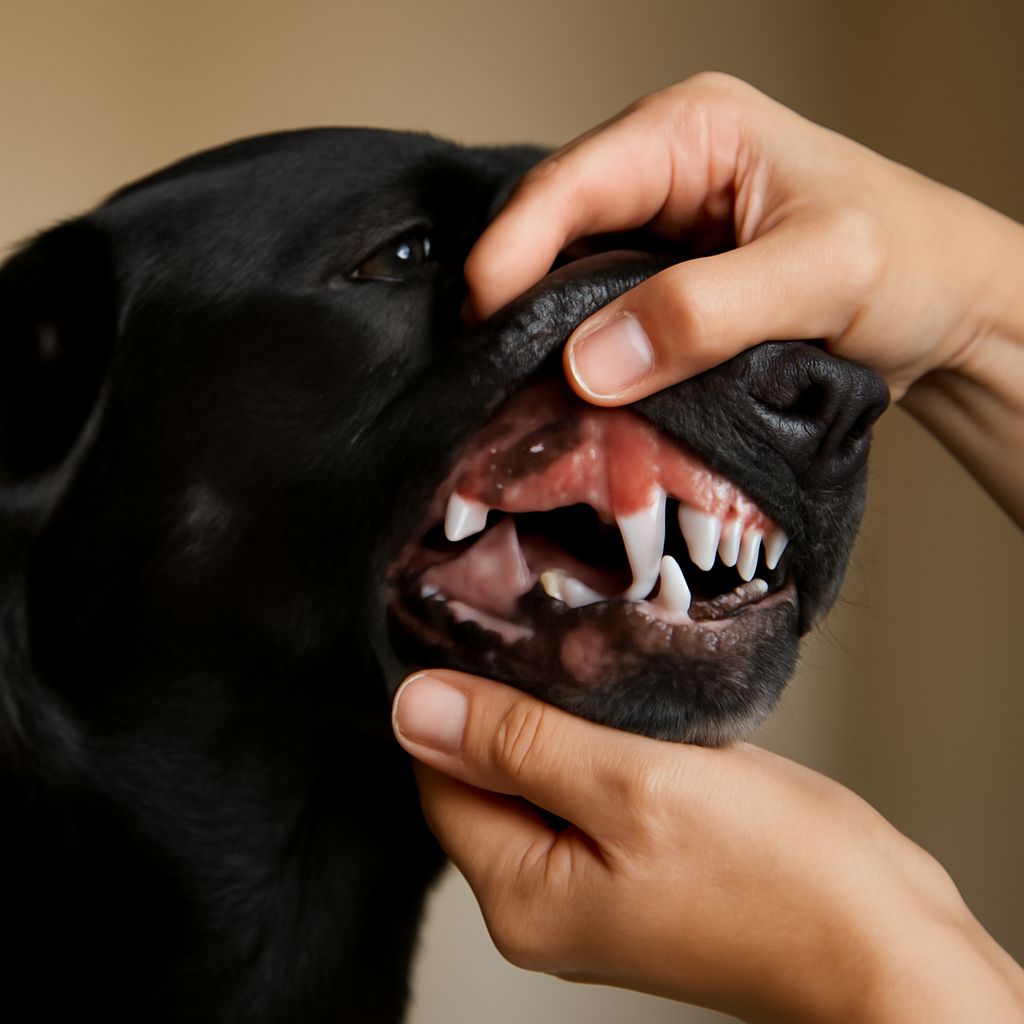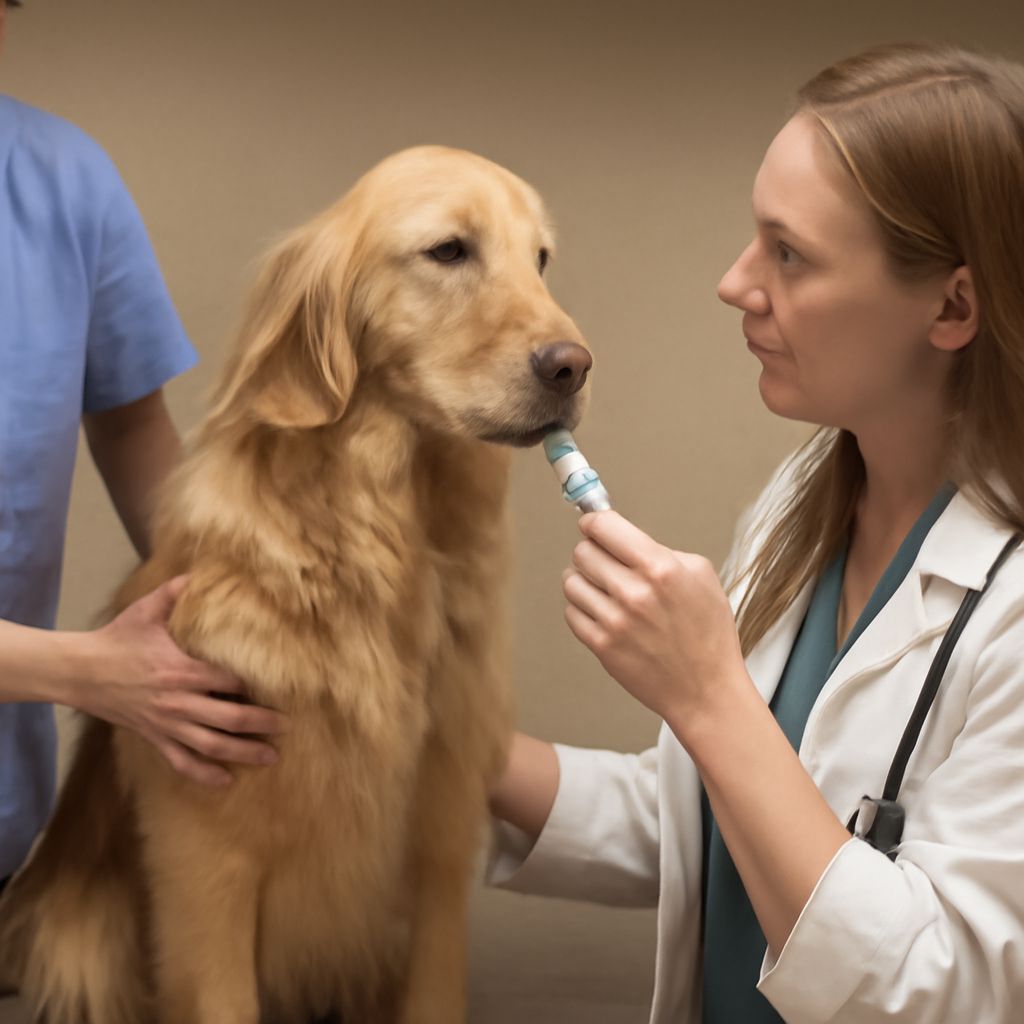
One of the most common mistakes dog owners make is skipping dental care until the vet mentions it at an annual exam. Dog toothpaste is not a luxury — it is a functional tool for preventing periodontal disease, which affects over 80% of dogs by age three. The other common mistake is using human toothpaste. Dog tooth paste formulas exist for a specific reason: dogs swallow what you brush with, and fluoride, xylitol, and sodium lauryl sulfate in human products are toxic to dogs at any amount they would realistically ingest.
Pet toothpaste is formulated without those ingredients and comes in flavors dogs find appealing — poultry, beef, vanilla mint — which helps with compliance. Whether you are brushing a retriever or asking about prairie dog pet products for an exotic animal, the principle is the same: use species-appropriate dental products. Prairie dog pet for sale listings sometimes include dental supplies, but dogs and prairie dogs need different formulations. This guide focuses on domestic dogs and how to build an effective brushing routine.
What to Look for in Dog Toothpaste
Ingredients That Work
Look for enzymatic formulas that contain glucose oxidase and lactoperoxidase. These enzymes help break down plaque-forming bacteria even between brushing sessions. Some products add zinc gluconate to reduce tartar buildup. Avoid any toothpaste — even those marketed as pet toothpaste — that lists xylitol, fluoride, or artificial sweeteners in the ingredients.
Flavor and Texture
Dogs accept poultry- and beef-flavored dental pastes most readily. Mint-flavored dog tooth paste works for some dogs but can deter others because the scent is strong. Gel formulas spread more easily and are often better tolerated by dogs new to brushing. Paste textures work well for dogs already comfortable with the routine. Start with the flavor your dog shows most interest in during the introduction phase.
How to Brush Your Dog’s Teeth
Use a toothbrush designed for dogs — finger brushes for smaller mouths, handled brushes with soft bristles for medium and large dogs. Apply a small amount of pet toothpaste, about the size of a pea, and begin at the back upper teeth where tartar accumulates fastest. Use small circular motions along the gum line at a 45-degree angle. Focus on the outer surfaces, which collect the most plaque. The inside surfaces are partially cleaned by the tongue.
Aim for 30 to 60 seconds per side, two to three times per week at minimum. Daily brushing produces better results. If your dog is new to brushing, start by letting them lick the toothpaste off your finger for a few sessions before introducing the brush. Gradual introduction over one to two weeks builds acceptance.
When Brushing Is Not Enough
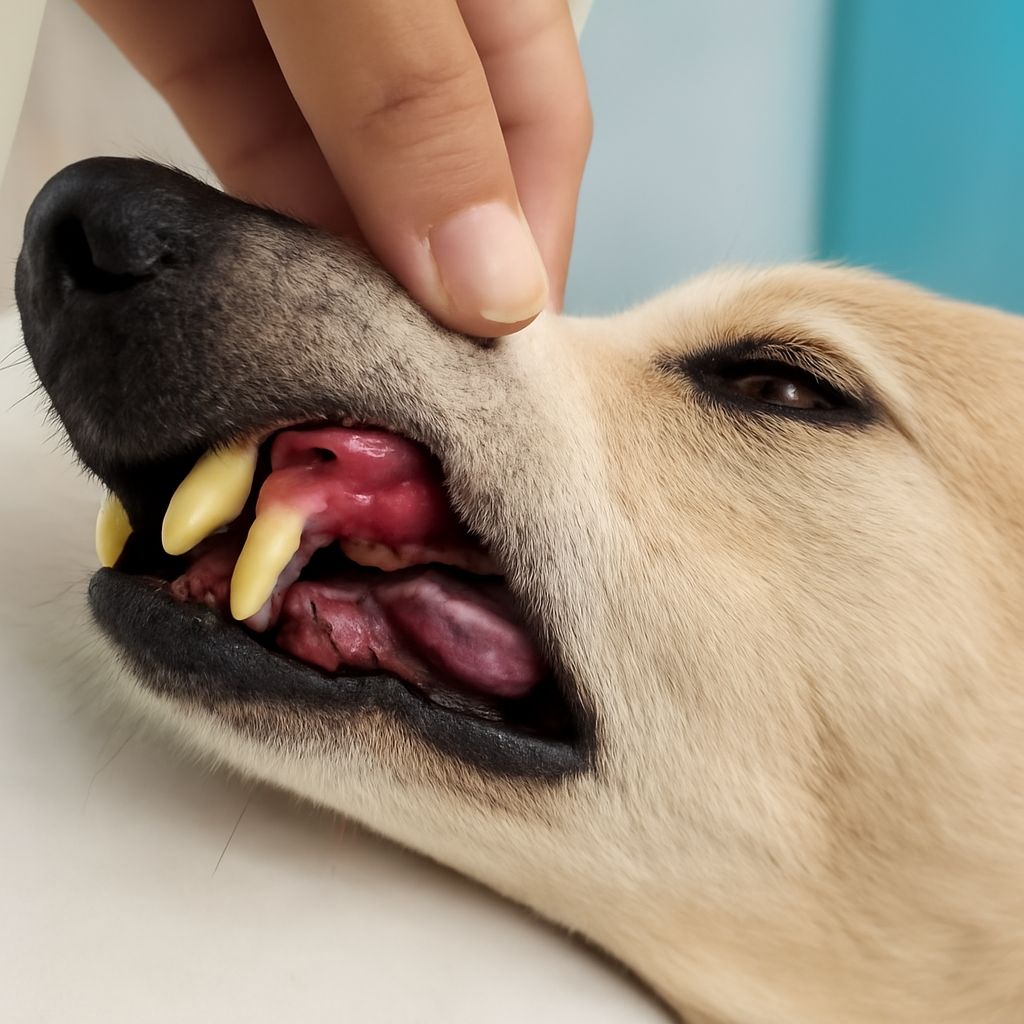
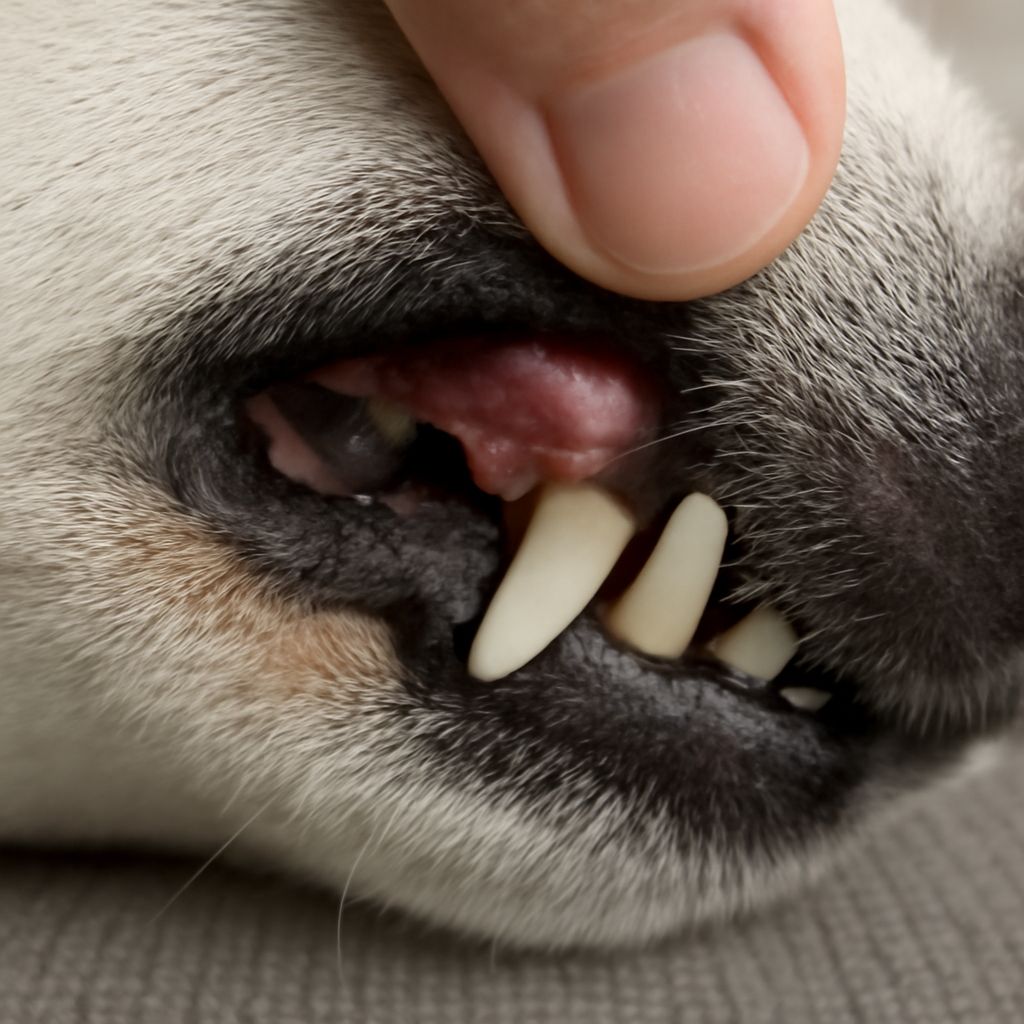
Brushing slows plaque and tartar buildup but does not reverse existing dental disease. If your dog’s breath is persistently foul, the gums are red or bleeding, or there is visible brown tartar along the gum line, a professional dental cleaning under anesthesia is needed. This is something only a veterinarian can perform safely. Dental chews, water additives, and dental diets are useful supplements but do not replace brushing or professional care.
Bottom line: Dog toothpaste used consistently with proper technique makes a measurable difference in oral health. Choose an enzymatic formula in a flavor your dog tolerates, build the habit gradually, and schedule professional cleanings when the vet recommends them.