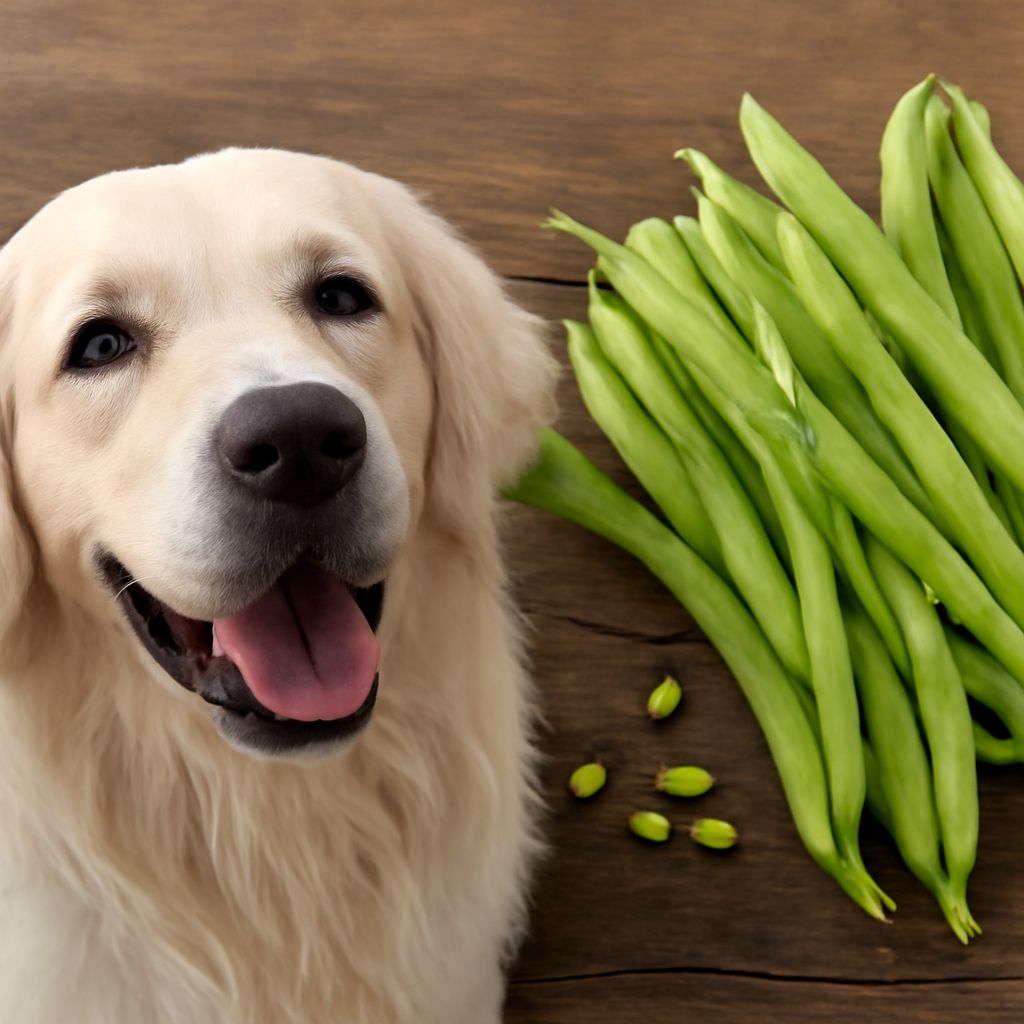
Are green beans bad for dogs? This question often arises among pet owners seeking healthy dietary options for their furry friends. While the idea of feeding dogs vegetables might sound unconventional to some, green beans have gained popularity as a nutritious treat. However, understanding their potential benefits and risks is crucial before incorporating them into your dog’s diet.
Green beans are not inherently bad for dogs, and when served correctly, they can be a healthy addition to their diet. Let’s explore why you might consider offering these vegetables to your canine companion, address any safety concerns, and learn how to introduce them properly.
Why Consider Green Beans for Your Dog?
Green beans offer numerous health benefits for dogs, primarily due to their rich nutritional profile. These vegetables are low in calories and high in dietary fiber, making them an ideal snack for dogs that need to maintain or lose weight. The fiber content aids in digestion and promotes a feeling of fullness, which can help manage an overeating tendency.
Moreover, green beans are packed with essential vitamins and minerals such as vitamins A, C, and K, as well as manganese and iron. These nutrients support your dog’s immune system, skin health, and bone development. Thus, including green beans as a part of a balanced diet can contribute to your dog’s overall well-being.
Are Green Beans Bad for Dogs?
While green beans can be beneficial, incorrect preparation or overconsumption can lead to potential problems. Feeding your dog raw or improperly cooked green beans might cause digestive issues due to their high lectin content. It is essential to cook them thoroughly to avoid these complications.
Additionally, green beans should be served plain. Avoid adding salt, oils, or spices that might upset your dog’s stomach or lead to other health issues. As with any food, moderation is key. Overfeeding green beans could result in gastrointestinal distress or nutrient imbalances.
It’s advisable to consult a veterinarian if you have any concerns about including green beans in your pet’s diet, especially if your dog has existing health conditions or is on a specific diet plan.
How to Safely Introduce Green Beans into Your Dog’s Diet
To incorporate green beans into your dog’s meals safely, start with small portions to observe how your pet reacts. Gradually increase the amount if no adverse effects occur. When preparing the beans, steam or boil them until soft, and ensure they are cut into bite-sized pieces to prevent choking hazards.
If you’re using canned green beans, rinse them thoroughly to remove excess sodium. Fresh or frozen options are generally preferable as they contain fewer additives.
Green beans can be offered as a treat or mixed with regular dog food. They can also be used as a healthy substitute for high-calorie treats. Monitor your dog for any signs of an adverse reaction, such as vomiting or diarrhea, and discontinue use if symptoms arise.
Alternatives to Green Beans for Dogs
If green beans are not suitable for your dog or you are seeking variety, consider other vegetable options like carrots, sweet potatoes, or pumpkin, which also offer health benefits. Carrots are crunchy and rich in beta-carotene, sweet potatoes are high in vitamins A and C, and pumpkin aids in digestion.
Always introduce new foods gradually and consult with a veterinarian, particularly when dealing with specific dietary needs or health concerns. They can provide guidance tailored to your dog’s unique requirements.
Ultimately, while green beans can be a healthy addition to your dog’s diet, understanding how to prepare and serve them is essential. By doing so, you can ensure that your pet enjoys the benefits without the risks.