Many dog owners often believe that each year of a dog’s life is equivalent to seven human years, but this is a simplification that doesn’t accurately describe the complexities of dog development. Understanding the life cycle of a dog involves more than just knowing their age in human years; it encompasses recognizing the unique needs and changes that occur at different stages. Whether you are raising a puppy or caring for a 2 year old dog, grasping these stages can deeply enhance your relationship with your furry friend.
From a sprightly puppy to a wise senior, each phase of a dog’s life requires different levels of care and attention. As pet parents, it’s essential to comprehend the dog stages both for health management and the overall well-being of your pet. This guide delves into each stage, offering insights on how to best support your dog through each part of their journey.
What Are the Main Stages in the Dog Life Cycle?
The dog life cycle is generally divided into four main stages: puppyhood, adolescence, adulthood, and the senior years. Each of these stages is defined by specific developmental milestones and behavioral characteristics. During puppyhood, dogs undergo rapid growth and learning. Adolescence brings its challenges as dogs test boundaries and develop social skills. Adulthood is characterized by mature behavior and physical stability. Finally, the senior stage often requires more health monitoring and lifestyle adjustments to keep your dog comfortable.
How Does a 2 Year Old Dog Fit Into the Dog Life Cycle?
A 2 year old dog typically falls into the early stages of adulthood. At this point, your dog is likely to have reached full physical maturity, though breeds vary in the exact timing of this transition. Adult dogs, including those around two years old, usually display stable behavior and established routines, though they remain energetic and enjoy regular exercise. It’s important to continue providing mental stimulation and social interaction to support their cognitive health during this phase.
What Happens During Each Dog Age Stage?
Puppy Stage
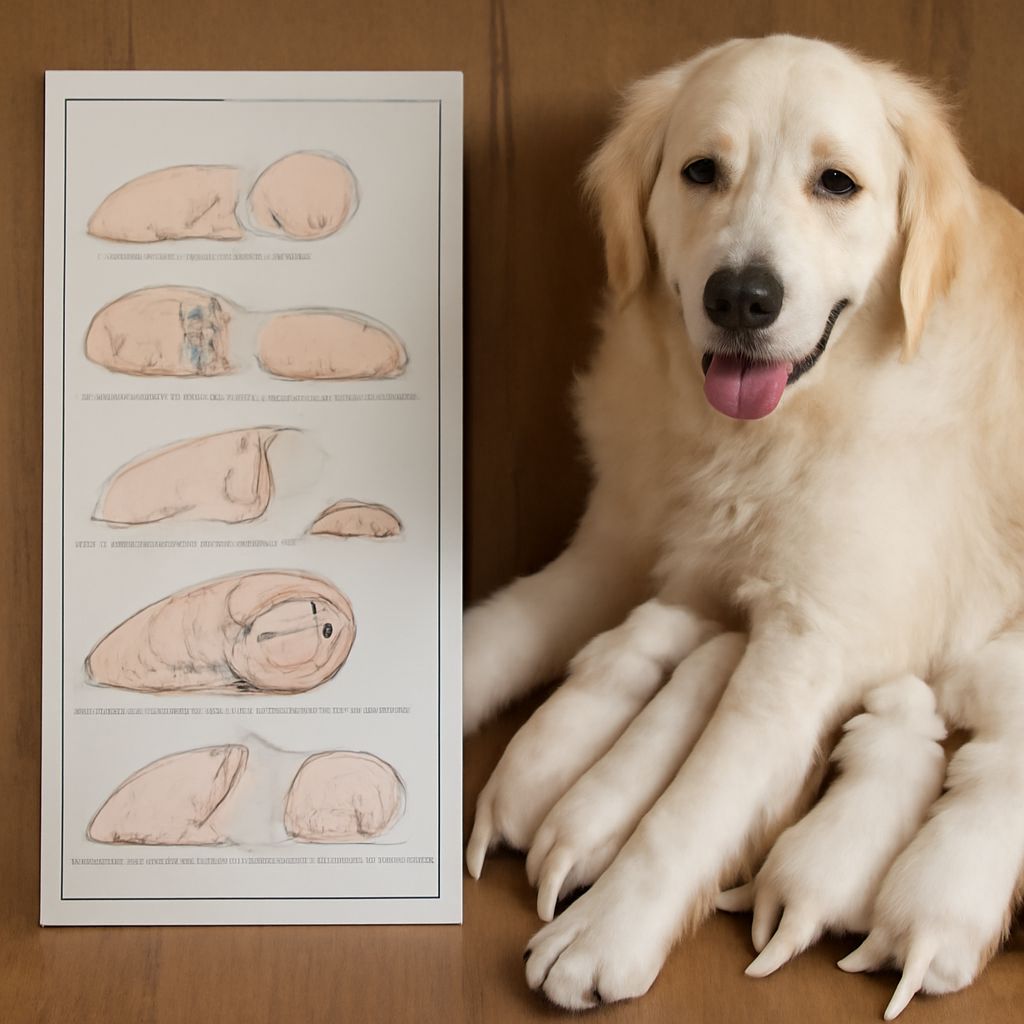
The puppy stage is a phase of rapid development, usually lasting from birth until about the first year. Puppies are curious, playful, and eager to learn. During this stage, they require frequent socialization and training to develop into well-adjusted adult dogs. Early exposure to different environments, people, and other animals is key to fostering confidence and reducing anxiety in later life stages.
Adolescent Stage
Adolescence in dogs typically begins around six months and can last until the age of two. This stage is often marked by increased independence and the testing of boundaries. It’s important for owners to reinforce training consistently as dogs may exhibit behaviors such as chewing and jumping, often reflecting their high energy levels and eagerness to explore.
Adult Stage
The adult stage is when dogs have generally settled into their personalities and routines. For most breeds, this occurs from about two to seven years of age. Dogs at this stage require regular physical activity to maintain a healthy weight and prevent boredom. Engaging activities and interactive play are crucial for keeping them mentally and physically stimulated.
Senior Stage
Senior dogs, often defined as those over seven years old, may experience a slowdown in activity and possible health concerns such as arthritis. At this stage, it’s important to adjust their diet and exercise routines to accommodate their changing needs. Regular veterinary check-ups are crucial to monitor health issues that may arise, ensuring your dog enjoys a comfortable and happy senior life.
Why Is It Important to Understand Dog Stages?
Understanding the stages of a dog’s life allows for tailored care that meets their specific needs at each phase. This knowledge helps in addressing behavioral challenges, providing appropriate nutrition, and understanding the health implications as they age. Owners can create a supportive environment that enhances the quality of life for their dogs, ensuring that each stage is filled with positive experiences and optimal care. For complex health concerns or behavior issues, consulting with a veterinarian or licensed canine behaviorist is recommended to provide professional guidance tailored to your dog’s individual requirements.