It’s a common misconception that the age at which a dog is considered a senior is a universally fixed number. Many pet owners believe that once their canine reaches a certain age, they automatically fall into the senior category. However, the truth is more nuanced, with various factors influencing when a dog is classified as a senior. Understanding these complexities can help pet owners provide better care for their aging companions.
The age at which a dog is considered a senior depends on their breed, size, and individual health circumstances. Large breeds may show signs of aging sooner than smaller breeds. Thus, it’s essential to focus on recognizing these signs rather than adhering strictly to age. Knowing when a dog is a senior involves understanding both the aging process and the specific needs that arise as they grow older.
Understanding the Aging Process in Dogs
The aging process in dogs is marked by gradual physiological changes. As dogs age, they may experience a decline in physical stamina and a decrease in immune function. This is similar to the aging process in humans, where the body’s ability to repair and regenerate diminishes over time. Recognizing these changes early can assist pet owners in adjusting care practices to better support their dogs’ health.
Owners may notice their dogs becoming less active, showing signs of stiffness or difficulty moving, and changes in weight. Dental health can also decline, leading to potential issues with eating and nutrition. By understanding these changes, pet owners can take proactive steps to mitigate the effects of aging and provide a supportive environment for their senior dogs.
At What Age Is a Dog Considered a Senior?
The age at which a dog is considered a senior can vary significantly. Generally, larger breeds like Great Danes and Saint Bernards may be considered seniors at around 5 to 7 years. In contrast, smaller breeds such as Chihuahuas or Dachshunds might not be considered seniors until they reach 10 years or older. Besides breed size, genetic factors and lifestyle choices also play vital roles in determining when a dog becomes a senior.
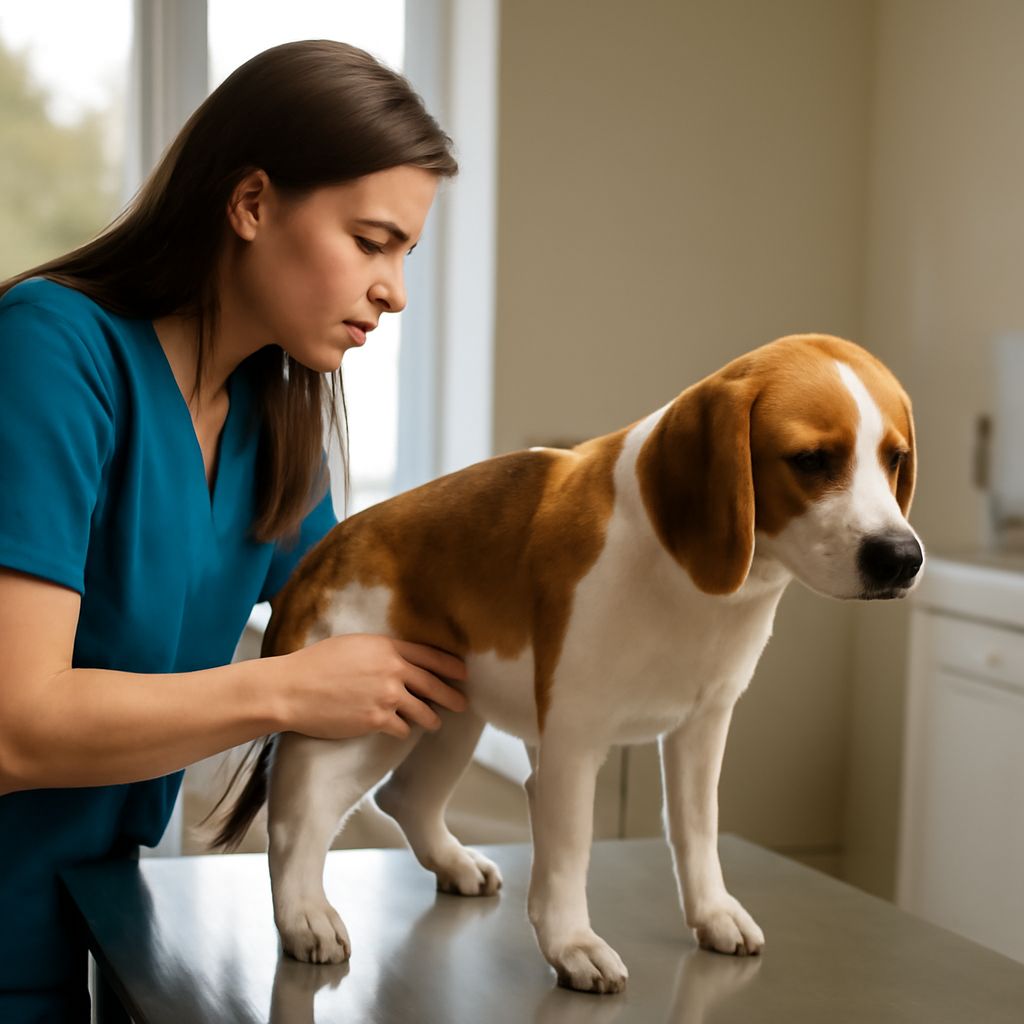
This variation underscores the importance of personalized care. Regular veterinary check-ups can help determine when a dog has reached their senior phase. Veterinarians can assess physical and behavioral changes and advise on necessary adjustments to care routines. Understanding when your dog is a senior is not just about age; it’s about comprehending their specific health needs.
How to Care for a Senior Dog
Caring for a senior dog involves adapting their environment and routines to better suit their changing needs. Nutrition is crucial; older dogs may require diets tailored to support joint health, weight management, and digestive efficiency. Ensuring that meals contain adequate protein and nutrients can enhance their overall wellbeing.
Exercise remains vital but should be adjusted to accommodate any physical limitations. Shorter, more frequent walks can help maintain mobility without causing undue stress. Mental stimulation, through interactive toys or training exercises, can keep a senior dog mentally sharp and engaged.
Regular veterinary visits are critical to monitor ongoing health changes and address any emerging issues promptly. Veterinarians can offer guidance on managing age-related conditions such as arthritis or cognitive decline. In cases of severe conditions or complex care requirements, consulting a licensed professional is advisable to ensure the best outcomes for the dog’s health.
Finally, providing comfort through an accessible living environment is important. Senior dogs may benefit from orthopedic beds and ramps to assist with movements around the home. These adjustments can significantly improve their quality of life.
Key takeaways: Recognizing when dogs become seniors depends on a variety of factors rather than just age. Understanding the aging process and adapting care methods accordingly can enhance a senior dog’s quality of life. Regular consultation with veterinarians ensures that aging dogs receive personalized care tailored to their specific needs.