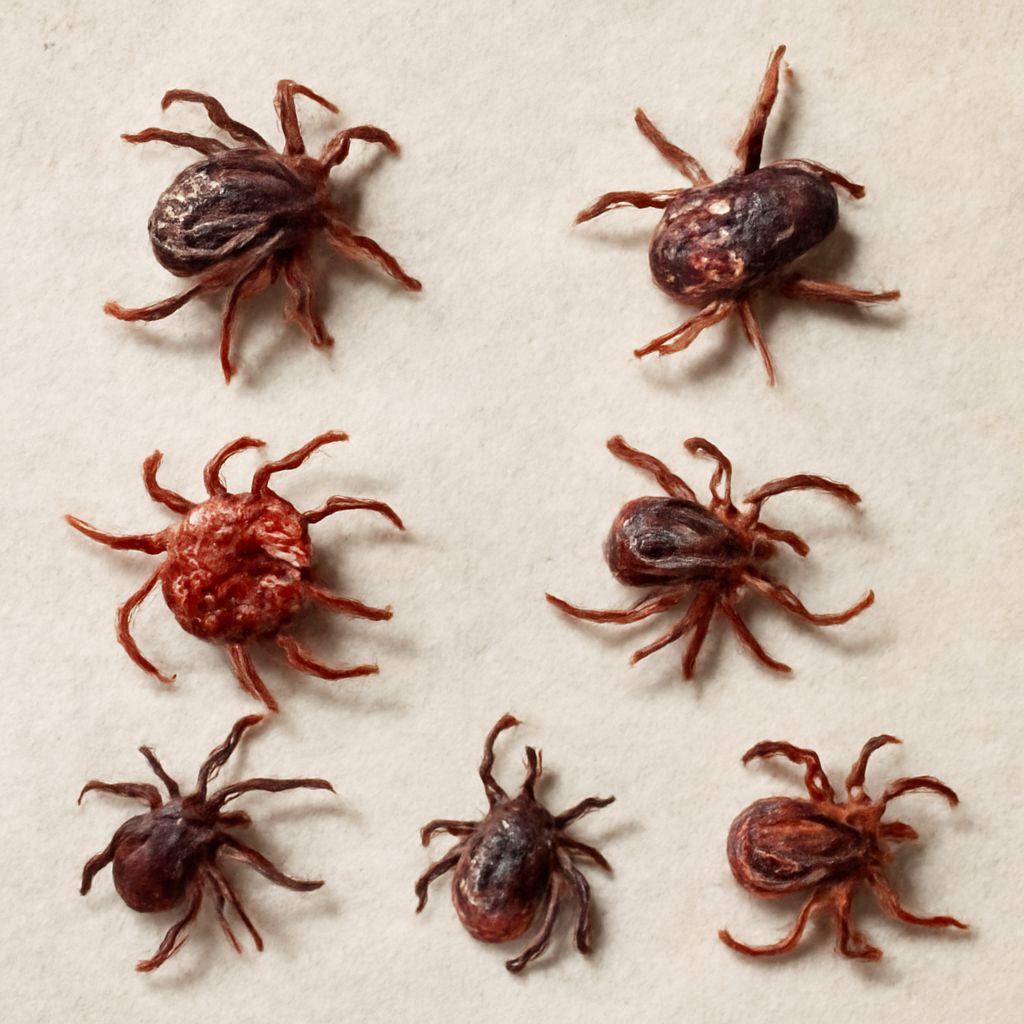
Many dog owners are unaware of the true appearance of ticks or the symptoms they cause. It’s common to mistake a tick for a harmless skin tag or a small lump. However, understanding what a tick looks like on a dog is vital for timely detection and removal. By learning to recognize ticks and their bites, you can protect your pet from harmful tick-borne diseases such as Lyme disease and ehrlichiosis.
Another misconception is that ticks are only active in the summer months. In reality, these parasites can be a year-round threat depending on your geographic location. Consequently, knowing how to remove a tick from your dog and prevent infestations is essential to maintaining your pet’s health throughout the year.
How to Identify a Tick on Your Dog
Ticks are small, arachnid parasites that attach to your dog’s skin. They can vary in size from a tiny speck to a plump, engorged parasite that is about the size of a small raisin. When trying to identify a tick on your dog, look for a round or oval shape with eight legs. Ticks have a hard, scaly body that may appear grey, brown, or slightly reddish, depending on the specific species and the amount of blood they have consumed.
Regularly check your dog’s fur, especially after walks in wooded or grassy areas. Pay close attention to areas around the ears, neck, and underbelly, where ticks are more likely to latch on. If you notice anything unusual or suspect a tick, it’s wise to consult a veterinarian for confirmation and advice.
What Does a Tick Bite Look Like on a Dog?
A tick bite on a dog typically appears as a small, red bump, similar to a mosquito bite. If the tick has been removed, the bump can linger for several days and may lead to mild irritation. In some cases, the site of the bite may become swollen or develop a small scab. Monitoring the bite area for signs of infection, such as excessive redness, swelling, or discharge, is important.
It’s crucial to differentiate a tick bite from other skin conditions. If your dog is excessively scratching or licking at a particular spot, it might indicate a tick bite or another issue requiring attention. Should you observe any unusual behavior or physical symptoms, seek professional advice promptly.
How to Remove a Tick from Your Dog
Removing a tick from your dog promptly and correctly is crucial to prevent disease transmission. Use fine-tipped tweezers to grasp the tick as close to the skin’s surface as possible. Gently, but firmly, pull upward with steady pressure. Avoid twisting or jerking, as this can cause parts of the tick to break off and remain in the skin.
After removal, clean the bite area with antiseptic and monitor your dog for any signs of illness. Disposing of the tick should be done properly, either by placing it in alcohol, sealing it in a bag, or flushing it down the toilet. If unsure about the removal process or if any complications arise, consult a veterinarian immediately.
Preventing Ticks on Your Dog
Preventing ticks is more manageable than treating an infestation. Consider using tick prevention products recommended by veterinarians, such as topical treatments, tick collars, or oral medications. Additionally, maintaining your yard by trimming grass and removing leaf litter can reduce tick habitats.
After outdoor activities, conducting thorough checks of your dog’s coat will help spot ticks before they attach. Staying informed about tick activity in your region and engaging in preventive measures will significantly reduce the risk of tick bites and their associated diseases.
Bottom line: Understanding what a tick looks like on a dog and how to manage it is essential for pet owners. Regular checks, proper removal, and preventive strategies will help ensure your dog’s health and happiness.