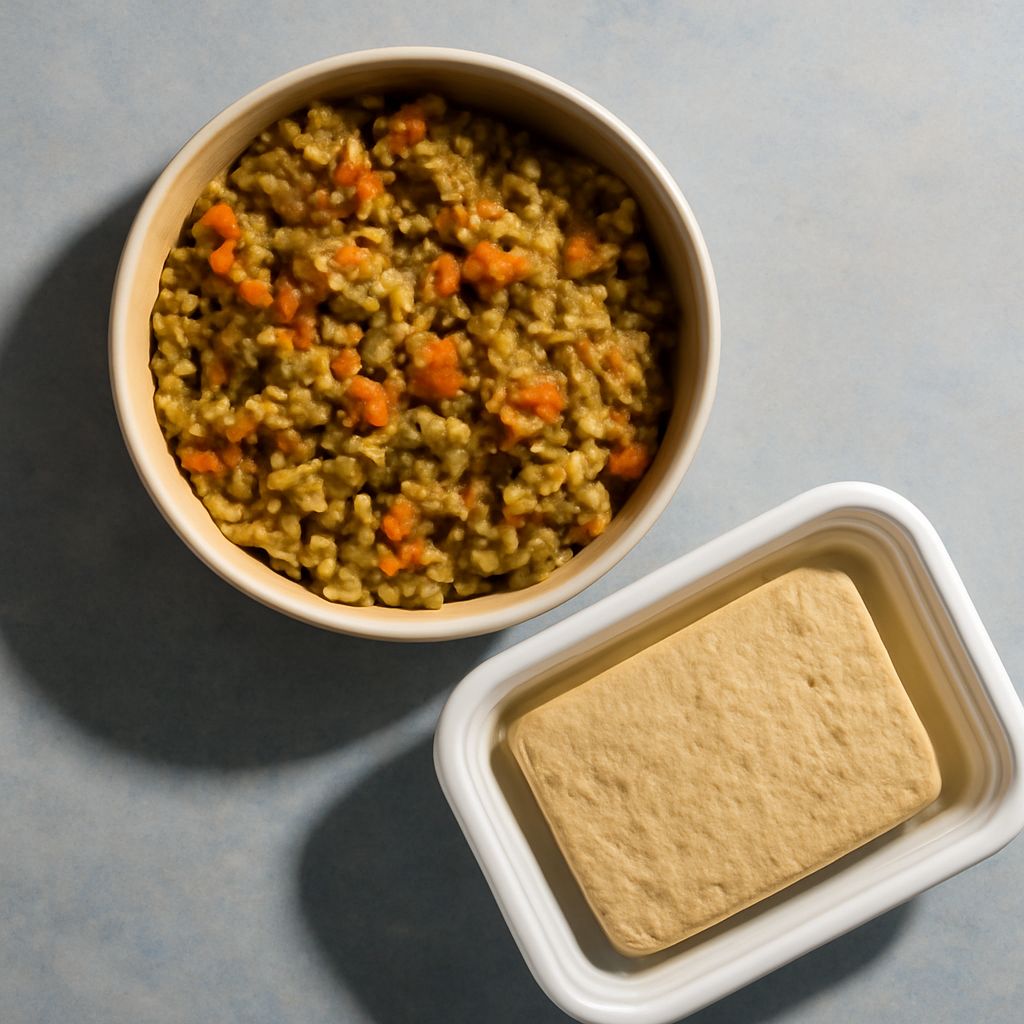
Is chicken meal in dog food really just a filler, or is it a valuable source of nutrition for your pet? Many pet owners may be surprised to learn that chicken meal is not only a legitimate ingredient but a highly beneficial one. Contrary to popular belief, chicken meal in dog food is a concentrated protein source that offers numerous advantages over whole chicken or other protein alternatives. Understanding the true nature of chicken meal will help you make informed decisions about your dog’s diet.
In considering different dog food options, it’s crucial to evaluate the benefits and drawbacks of each ingredient. While some may turn to beef meal as a staple protein source, chicken meal provides a unique nutritional profile that can be superior in certain aspects. This article will delve into the specifics of chicken meal dog food, compare it to beef meal, and explore other alternative proteins available in the market.
Understanding Chicken Meal in Dog Food
Chicken meal is a dry rendered product from chicken parts, excluding feathers, heads, feet, and entrails. It is ground down to create a concentrated form of protein. When included in dog food, chicken meal provides a high level of protein that is essential for muscle development and energy. It is important to note that chicken meal is distinct from whole chicken, as it contains less water and more protein by weight, making it a potent source of nourishment.
The rendering process removes excess moisture from chicken, resulting in a denser product that is rich in essential amino acids and minerals. This makes chicken meal a preferred choice for high-quality dog foods aiming to provide balanced nutrition without unnecessary fillers.
Benefits of Chicken Meal Dog Food
One of the primary benefits of chicken meal dog food is its high protein content. Protein is crucial for maintaining healthy muscles, supporting growth in puppies, and sustaining active adult dogs. Moreover, chicken meal includes important vitamins and minerals, such as B vitamins, zinc, and iron, which contribute to overall health and well-being.
Additionally, chicken meal is highly digestible, meaning your dog can absorb nutrients more efficiently. This digestibility can lead to improved energy levels, better skin and coat health, and optimal immune function. When selecting a dog food, opting for products with chicken meal as a primary ingredient can be a wise choice for pet owners looking to provide comprehensive nutrition.
How Chicken Meal Compares to Beef Meal
When comparing chicken meal to beef meal, both ingredients offer substantial protein content, but there are notable differences. Chicken meal tends to be leaner, with less fat content than beef meal, which can be beneficial for dogs requiring weight management or those prone to pancreatitis. Additionally, chicken meal is often more easily digestible, which can be advantageous for dogs with sensitive stomachs.
However, beef meal contains a different amino acid profile and can provide dietary variety. For dogs with allergies or sensitivities to chicken, beef meal can serve as a valuable alternative. It’s essential to consider your dog’s specific dietary needs and consult with a veterinarian when making a decision between these protein sources.
Exploring Dog Food Alternatives
While chicken meal dog food is a popular choice, there are several other protein alternatives to consider. Fish meal, for instance, is an excellent source of omega-3 fatty acids, which support skin health and cognitive function. Lamb meal offers a nutrient-rich option for dogs with poultry allergies, providing essential amino acids and iron.
Novel proteins like duck, venison, or kangaroo meal are also available for dogs with specific dietary restrictions or allergies. These options can provide the necessary nutrition while minimizing the risk of allergic reactions. When exploring dog food alternatives, it’s important to choose high-quality products that prioritize balanced nutrition tailored to your dog’s individual needs.
Safety Recap: Always consult with a licensed veterinarian or pet nutritionist when adjusting your dog’s diet, especially if they have special health considerations. A professional can guide you in choosing the best diet for your pet’s health and lifestyle.